
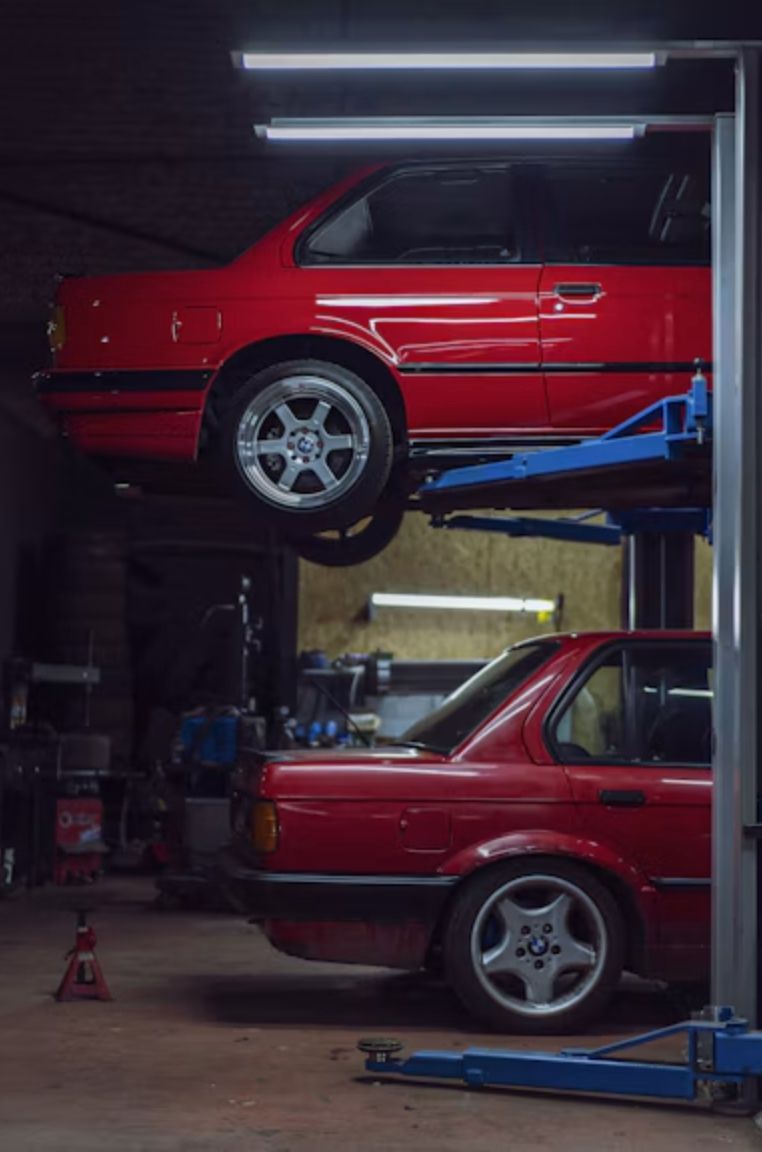
The average vehicle on American roads is older than ever, reflecting a major shift in how long drivers keep their cars. High purchase prices, elevated borrowing costs, and improvements in vehicle durability have all contributed to the trend. For owners, a longer service life can reduce the cost of frequent replacement, but it also raises the stakes for regular maintenance. The condition of an aging vehicle often depends less on its model year and more on how consistently its owner responds to wear. However, there may come a point when continued repairs no longer make financial sense, making it important to know when to stop repairing and sell your car instead of investing in increasingly costly fixes.
Surging Costs Reshape Buying Habits
New and used vehicle prices have pushed many drivers to postpone their next purchase. The average vehicle age reached a record 12.6 years in 2024, according to S&P Global Mobility data reported by CBS News. Higher interest rates have also made monthly payments harder to absorb.
Repairing an otherwise dependable car can make financial sense when the work costs far less than replacing it. Before approving a large repair, compare the estimate with the vehicle’s market value, maintenance history, and expected needs over the next 12 months. Owners in Genesee County can consult Martin's Tire & Auto Service for maintenance, diagnostics, and repair involving domestic, Asian, and European vehicles.
Key Systems That Wear Out First
Age affects components differently from mileage. Rubber belts, hoses, and seals can become brittle over time even when a car is driven infrequently. Brake parts, suspension components, and wheel alignment also deserve attention because gradual deterioration may feel normal to someone who drives the same vehicle every day.
Cooling system trouble can be especially expensive if a small leak leads to overheating. Drivers should watch for changing fluid levels, rising temperature readings, and stains beneath the car. Transmission hesitation, unusual vibration, and longer stopping distances also call for prompt inspection. During routine service, ask the technician to document remaining brake material, tire tread depth, and visible fluid leaks. Written measurements make it easier to track wear between visits.
Relying on Qualified Auto Technicians
Older vehicles often develop several symptoms at once, so accurate diagnosis becomes more valuable as the years pass. A warning light might point to a faulty sensor, damaged wiring, or a mechanical problem. Replacing parts based on guesswork can waste money while leaving the original fault unresolved.
Choose a repair facility that explains test results, provides written estimates, and separates urgent safety work from maintenance that can wait. Share details about when a symptom occurs, such as during cold starts, highway driving, or braking. Maintenance records also help technicians identify recurring issues and avoid duplicating recent work. When facing a major repair, ask about labor coverage, parts warranties, and any related components that should be inspected while access is already available.
Predictive Care Protects Resale Value
The aging trend is still moving upward. Industry figures put the 2025 vehicle age at 12.8 years, which means buyers are increasingly likely to encounter older cars in the used market. Clear service records can distinguish a well-kept vehicle from one carrying unknown repair risks.
Follow the manufacturer’s service intervals, but account for actual use. Frequent short trips, heavy traffic, and extreme temperatures may shorten fluid and component life. Keep invoices organized by date and mileage, then record tire rotations, fluid changes, and major repairs in one place. Before selling or trading the vehicle, address warning lights and gather receipts. A documented history gives prospective buyers specific evidence of care and can support a stronger asking price.
Record the mileage at each service visit and review the file every few months. That simple habit makes emerging patterns easier to spot, including repeated fluid loss, uneven tire wear, or a component that fails sooner than expected. For a vehicle already past the 12-year mark, those details can help extend useful life while keeping future repair choices grounded in evidence.