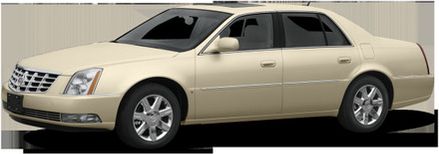

Australians are holding onto their vehicles longer than ever, with the national average age of cars on our roads climbing to 11.4 years. In regions like South Australia, the passenger car fleet is even older, averaging 11.8 years of age. If you drive a car manufactured over a decade ago, you are likely familiar with the anxiety of an unexpected breakdown. While regular servicing is just part of ownership, there comes a time when fixing an old vehicle feels like a waste of money. Making the call to stop repairing and finally upgrade is rarely easy. Many drivers form an emotional attachment to their daily commuter, but taking a practical approach to your finances can clear up the confusion and help you make a logical choice.
The Financial Reality of Constant Upkeep
Automotive workshop labour rates in Australia currently range from \$70 to well over \$100 per hour. This spike is largely driven by rising workshop overheads and the need for advanced diagnostic tools. When a major component like a transmission or head gasket fails, you can easily face thousands of dollars in out-of-pocket expenses. Even routine wear and tear items, such as timing belts, suspension bushings, and catalytic converters, can add up quickly over a single year.
For cars with high mileage, pouring money into these repairs often yields a poor overall return on investment. If the required mechanical work is extensive, owners frequently bypass the strict requirements of obtaining a roadworthy certificate altogether. Instead, many pragmatic drivers choose to utilise a local commercial buyer, such as a cash for cars Adelaide service, to quickly and conveniently offload a vehicle that is no longer worth fixing.
Understanding Your Car's Current Market Position
Before deciding whether to fix your daily driver, you need to establish its honest market value in its current condition. Used car prices in Australia experienced a market-wide drop of approximately 6.5 percent toward the end of 2026. Furthermore, the recent influx of affordable new vehicle brands has increased competition and driven down private resale values for older petrol models.
Crucially, your vehicle's specific history dictates where it sits on that valuation scale. A well-documented service history gives potential buyers confidence, while obvious neglect can drastically lower the price. If you want to understand how your vehicle's upkeep history affects its worth on the used market, it helps to review exactly how vehicle maintenance impacts resale value to get a clear picture of its baseline trade-in power. Taking the time to research classifieds can also highlight how similar models are currently performing.
Rules of Thumb for Making the Call
If you are on the fence about a hefty mechanic's quote, financial experts rely on a few specific guidelines to make the decision objective. Consider these key factors when weighing up your options:
- The 50 Percent Rule: If a single repair estimate exceeds half of your car's current market value, it is generally time to walk away and sell the vehicle.
- Annual Cost Comparison: Compare your total annual repair costs against the yearly cost of financing a new vehicle. If keeping the old car running costs more than 12 months of new car payments, upgrading is the smarter financial move.
Beyond immediate repair bills, you must also consider the depreciation factor. Even if individual fixes are relatively cheap, older cars continue to lose value. A recent analysis highlights that the difference between a car's purchase price and resale value remains the single largest ownership cost, with vehicles losing a weighted average of \$4,422 per year according to data published by the AAA Newsroom on vehicle ownership costs.
Navigating the Vehicle Scrapping Market
When your car finally hits the point of no return, the disposal process does not have to be a headache. The Federal Chamber of Automotive Industries reports that approximately 850,000 vehicles reach the end of their life in Australia each year. This highlights a massive, growing demand for localised auto recycling services that properly dispose of hazardous fluids and salvage usable materials.
Auto dismantlers and scrap buyers calculate their offers based on raw metal weight and salvageable parts. This practical approach ensures you can still get paid regardless of major mechanical failures or cosmetic damage. In the current market, scrap payouts have remained steady, with heavy four-wheel drives, SUVs, and commercial utes commanding the highest cash returns due to their scrap weight. By making an informed decision early, you can stop wasting money on hopeless repairs and put those funds toward a more reliable daily driver.