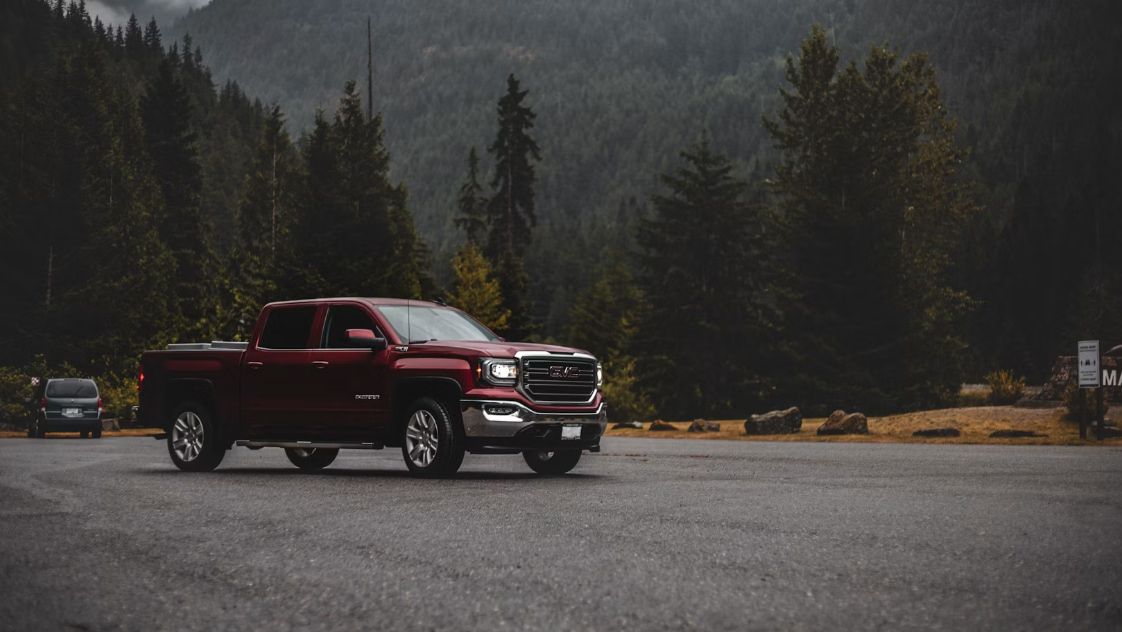
Pickup buyers continue to spend heavily on upscale models even as higher prices and borrowing costs pressure the wider vehicle market. High-spec trucks now combine serious towing and payload capability with technology once limited to luxury sedans. That mix has changed how manufacturers plan production, how dealers manage allocations and how shoppers compare available inventory. Sales totals increasingly show that premium trims are central to the pickup business, not fringe choices for a small group of buyers.
Luxury Trims Dominate Volume Tables
The shift toward luxury pickup trims reflects how much the role of the modern truck has expanded. Many pickups now serve as daily transportation, family vehicles and work platforms, so buyers expect one cabin to handle several roles. Heated and ventilated seats, large displays, advanced camera systems and quieter interiors make that flexibility easier to live with.
Transaction prices also shape production decisions. A manufacturer earns more revenue from a fully equipped model, while a dealer may see stronger demand for it than for a basic configuration. Buyers comparing monthly payments can find that spreading a \$5,000 trim upgrade across a long loan makes the added equipment appear more manageable, even though the total cost remains significant.
Why Buyers Prefer Fully Loaded Cabs
Comfort features carry extra value in a vehicle that may cover long distances or spend hours in traffic. A surround-view camera can simplify parking, adaptive cruise control can reduce fatigue on highways and upgraded seating can make daily commuting less tiring. Those benefits are easy to recognise during a test drive.
Package design also pushes buyers upward. A shopper who wants an upgraded sound system may discover that it comes bundled with a larger screen, premium upholstery and driver-assistance features. Before accepting the package, compare its full price with the features you’ll actually use. Pay close attention to payload ratings too, since added equipment can reduce how much weight a specific truck can carry.
Finding Allocated Stock at a Regional Lot
Allocation systems can create sharp differences between nearby dealers. One lot may receive several premium crew-cab models while another has mostly entry trims or different engine and bed combinations. Search beyond the closest ZIP code, then confirm that an online listing represents an available vehicle rather than one already reserved or still in transit.
For shoppers around Bryan and College Station, a regional Buick GMC dealership can provide access to new and pre-owned inventory, financing options and trade-in valuations. Ask for the vehicle identification number, window sticker and expected arrival date before discussing a deposit. Those details let you verify the exact configuration and avoid surprises when the truck reaches the lot.
Residual Values of High-Spec Pickups
Strong pickup resale values can offset part of a premium model’s higher purchase price, but equipment does not retain value evenly. Four-wheel drive, popular cab layouts and widely requested comfort packages often attract more used buyers. Highly personalised colours or expensive accessories may return much less than their original cost.
Calculate expected ownership cost with real numbers. If one truck costs \$68,000 and is projected to be worth \$41,000 after four years, its estimated depreciation is \$27,000. Compare that figure with insurance quotes, finance charges and fuel costs. Keep the window sticker and service records as well. Clear documentation helps a future buyer understand which factory packages are included and supports a stronger trade-in appraisal.
What Next Year Production Signals
Production schedules suggest premium trucks will remain a priority, though manufacturers may adjust package combinations as demand and parts availability change. More standard driver-assistance technology could raise base prices, while simplified option groups may reduce the number of unusual configurations reaching dealer lots.
The broader future of pickup trucks is also being shaped by electrification, connected technology and changing expectations around comfort and everyday usability. Those shifts will influence which features manufacturers prioritise as new model years reach production.
If you’re targeting a specific trim next year, track order-bank openings and ask dealers how refundable deposits work. Compare the final factory order with incoming allocated units because an allocation may arrive sooner but include costly equipment you didn’t request. The clearest signal will be dealer inventory turnover. Premium models that sell quickly and receive few discounts give manufacturers a strong reason to keep high-spec production near the top of the schedule.