Pickup trucks are changing as automakers respond to new powertrain choices, connected technology and the varied demands of everyday drivers. Future trucks will still need to tow, carry bulky loads and handle difficult roads, but buyers can also expect quieter cabins, more flexible storage and smarter driver assistance.
As these features reach the market, comparing trucks will involve more than checking horsepower and bed length. Range, charging needs, software support and usable onboard power will all influence which model fits a driver’s routine.
Emerging Design Philosophies
New pickup designs increasingly balance capability with comfort and efficiency. Aerodynamic grilles, smoother underbody panels and carefully shaped tailgates can reduce drag without taking away the upright profile buyers expect. Some models may also use lighter materials to improve efficiency while preserving the strength required for hauling.
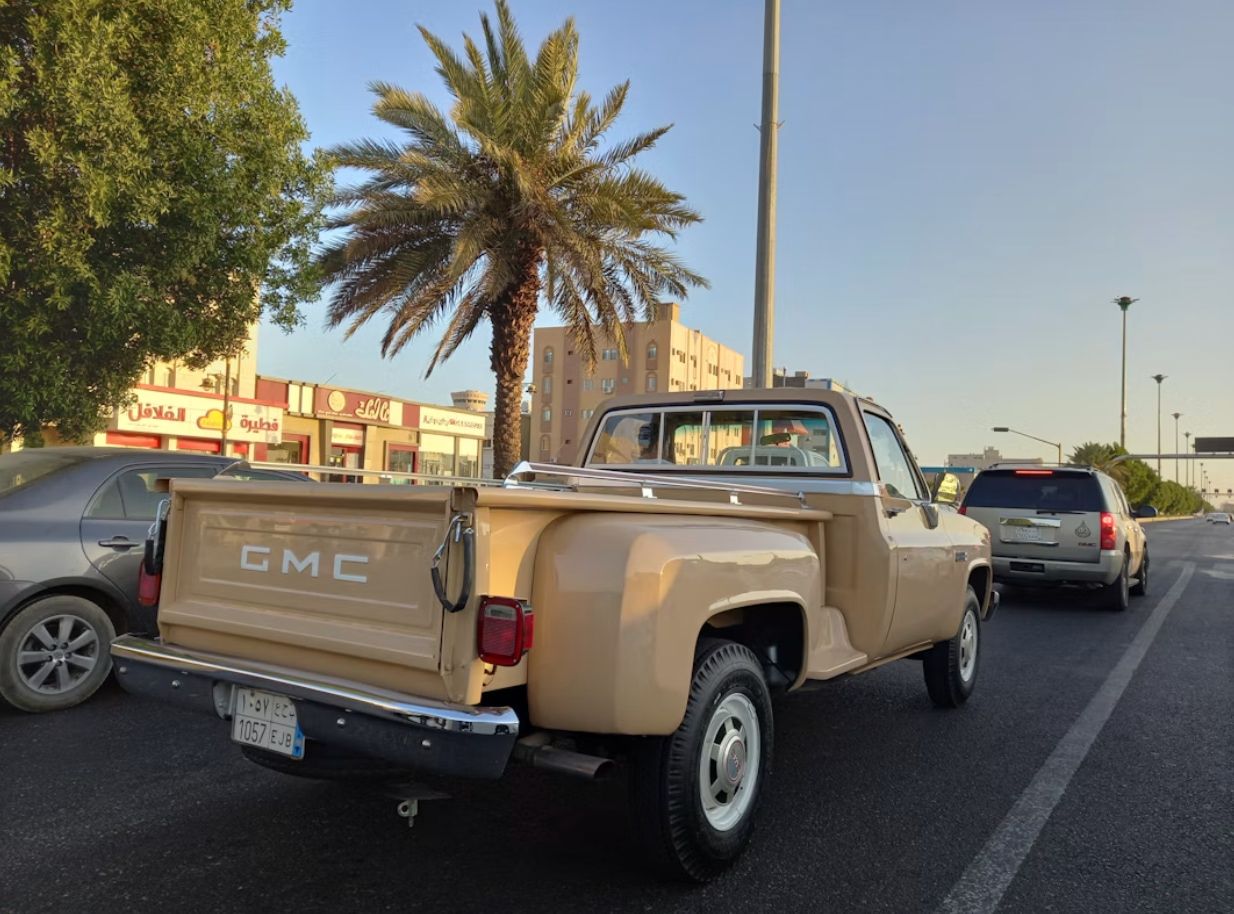
Cab and bed layouts are becoming more flexible too. Multi-position tailgates, lockable storage compartments and movable bed dividers help drivers organize building supplies, camping equipment or sports gear. Inside, flat floors and foldable rear seats can create useful cargo space when the bed is full. When comparing a redesigned model such as the 2027 GMC Sierra 1500, look beyond exterior styling and consider how its layout could support your regular tasks.
Electrification and Hybrid Options
Electric pickups are moving from early introductions toward a broader range of sizes, prices and driving ranges. The list of announced future electric pickups shows how many manufacturers are preparing models for the second half of the decade. These trucks can offer strong low-speed torque, quiet operation and power outlets for tools or campsite equipment.
Charging access remains a major factor. A driver who travels 40 miles each day and charges at home has different needs from someone who frequently tows across several states. Towing and cold weather can reduce electric range, so advertised estimates should be treated as a starting point.
Hybrids may suit buyers who want better fuel economy without relying entirely on charging. Current and planned hybrid pickup options include systems focused on efficiency as well as setups designed to supply extra power during demanding work.
Smart Features for Work and Play
Technology in future pickups will extend well beyond a large center screen. Cameras can provide views around the truck, along the sides of a trailer and near the hitch. These perspectives make it easier to park in a crowded lot or line up a trailer without repeated adjustments. Trailer profiles may also store brake settings and maintenance reminders for different loads.
Onboard power systems are another useful development. Drivers may be able to run jobsite tools, lights, small appliances or outdoor equipment directly from the truck. Mobile apps can show charge or fuel levels, cabin temperature and vehicle location.
Before paying for a technology package, test the controls while parked. Confirm that common functions remain easy to reach and ask how long the manufacturer provides software updates. A useful feature should save time without creating extra steps.
What to Expect from New Models
Future model launches will likely bring gradual improvements alongside a few major changes. Updated trucks may offer more efficient engines, expanded hybrid availability and new battery configurations. Higher trims could receive advanced suspension systems or hands-free highway driving before those features reach lower-priced versions.
Published specifications deserve close attention. Compare payload and towing ratings for the exact cab, bed, drivetrain and trim you plan to buy since the highest advertised figure may apply to only one configuration. Check how added options affect capacity as well.
Buyers should also distinguish confirmed equipment from early reports. Manufacturer order guides, window labels and dealership listings provide clearer information once production approaches. If you can wait, driving two competing models on the same day makes differences in visibility, seat comfort and ride quality much easier to recognize.
Staying Ahead of Truck Trends
Track the features that affect your ownership costs instead of following every new announcement. Fuel or electricity use, insurance, tires and routine service can change the real cost of a truck by thousands of dollars over several years. Battery coverage and software support also deserve attention when considering an electrified model.
Think about your heaviest realistic load, longest common trip and available parking space. A truck built for an occasional extreme task may cost more and feel cumbersome during daily driving. Renting specialized equipment for rare jobs could allow you to choose a more efficient everyday configuration.
The next generation of pickups will offer more ways to match a truck to a specific routine. A careful test drive should include tight turns, highway merging and time spent operating the bed and cabin features, since those details will matter long after the launch-day technology stops feeling new.