When you decide to sell your car, its final selling price isn't just about how old it is or how many miles it has. You can't stop time or rewind the odometer, but you have a lot of control over one of the biggest things that affects its resale value: its maintenance history. A car that's been well-maintained not only runs better but also sells for more on the used car market.
Understanding Depreciation Factors
Cars naturally lose value over time, a process called depreciation. The minute you drive a new car off the lot, its value starts to drop. This usually happens because of its age, mileage, and overall condition. For example, a five-year-old car with 50,000 miles will typically be worth less than a two-year-old one with 20,000 miles.
But other things matter too. Things like the brand's reputation, how reliable the car is, its fuel efficiency, and how much demand there is for your specific model all play a part in factors that affect vehicle depreciation. You can't change your car's make or model, but you can directly impact its condition. This is where good maintenance becomes your best tool for keeping its value high.
The Role of Regular Service Records
A detailed service history is the strongest proof that your car has been well cared for. It's one thing to tell a potential buyer you've looked after the car; it's another to show them a folder full of receipts and a stamped service booklet to back it up. This paperwork shows you followed the manufacturer's recommended service schedule and fixed problems quickly.
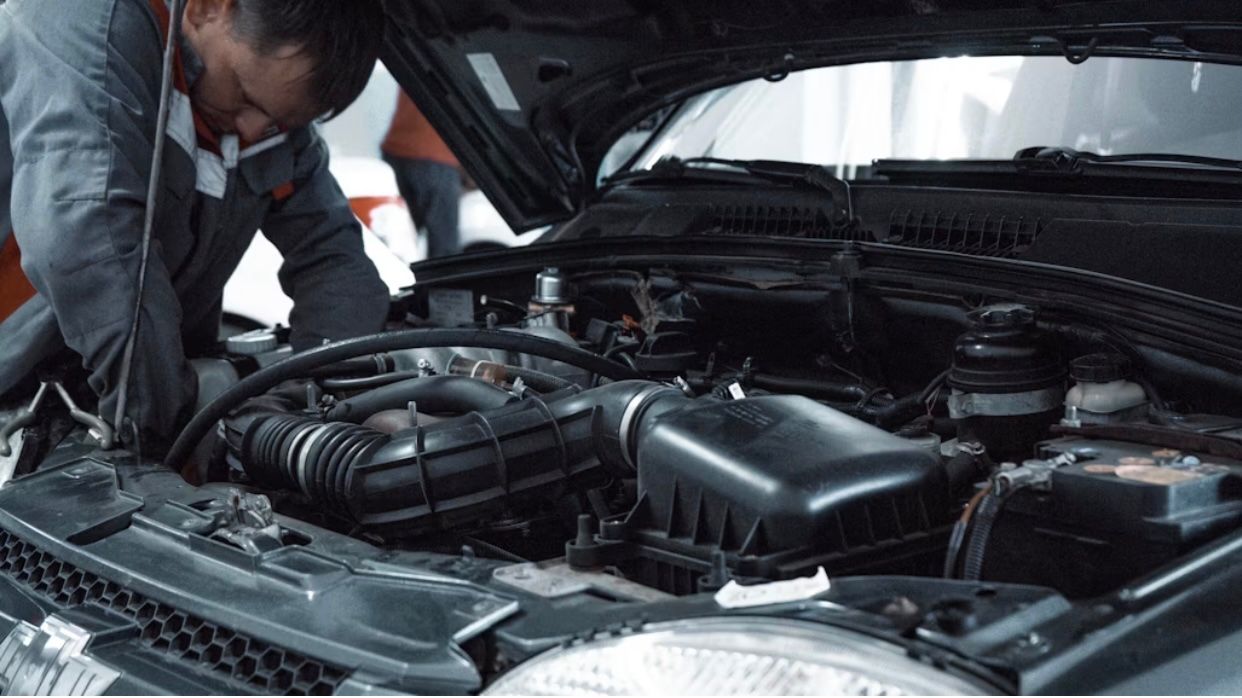
When a buyer sees a consistent record of oil changes, tire rotations, and inspections from a trusted car mechanic, it immediately builds trust. It tells them the car was proactively maintained, not just repaired when something broke. This confidence often makes buyers willing to pay more, since it lowers their worry about unexpected repair costs down the road.
Key Maintenance for Value Retention
Focusing on a few key maintenance areas can really boost your car's long-term value. Doing these tasks regularly not only keeps your car running smoothly but also makes it look good to potential buyers. Following a consistent maintenance schedule demonstrates responsible ownership and helps support a stronger resale price.
Make sure to prioritize these important services:
- Engine Oil and Filter Changes: This is crucial for your engine's health. Stick to the schedule in your owner's manual.
- Tire Rotation and Alignment: Rotating your tires regularly helps them wear evenly and last longer. Correct alignment prevents handling problems and early wear.
- Brake System Service: Keeping your brake pads, rotors, and fluid in good shape is vital for safety and shows buyers you haven't cut corners.
- Fluid Checks: Regularly check and top off all important fluids, including coolant, transmission fluid, brake fluid, and windshield washer fluid.
Common Issues That Reduce Value
Neglecting your car is easy to spot and can significantly lower its resale price. Buyers often see small problems as signs of bigger, hidden issues. Spending a few hundred dollars to fix minor flaws can save you thousands when you sell.
Watch out for these things that kill value:
- Cosmetic Damage: Deep scratches, obvious dents, and peeling paint immediately make a bad impression. Likewise, stained upholstery, torn seats, or a worn-out steering wheel suggest the car wasn't well-maintained.
- Warning Lights: A lit-up check engine light is a huge red flag for any buyer. It creates uncertainty and hints at a potentially expensive and unknown repair.
- Worn-Out Consumables: Bald tires or squealing brakes tell a buyer they'll have to spend money right after buying the car. Replacing these items before you list the car can make it much more appealing.
- Cloudy Headlights: Faded, yellowed headlight lenses not only look bad but also reduce visibility. Headlight restoration is a cheap fix that greatly improves a car's appearance.
Getting a Pre-Sale Inspection
Before you put your car up for sale, think about getting a full pre-sale inspection from an independent mechanic. This report gives an unbiased look at the car's condition, which you can show to potential buyers to justify your asking price. It creates transparency and can speed up the selling process by answering many buyer questions upfront.
An inspection also gives you one last chance to fix any small problems you might have missed. Fixing a minor oil leak or replacing a worn belt before a buyer finds it stops them from using it to haggle down the price.
Ultimately, the effort you put into maintaining your car throughout its life pays off when it's time to sell. A clean bill of health and a stack of service records are your best tools for getting the most value.