Luxury trucks have evolved from polished work vehicles into capable platforms for outdoor recreation, long-distance travel and heavy hauling. Buyers now expect towing strength and durable hardware alongside quiet cabins, connected technology and premium materials. Manufacturers responded by blending commercial-grade engineering with features once associated with luxury sedans and SUVs. That combination has created a distinct category for drivers who want one vehicle to handle weekday routines and demanding weekend plans.
The Premium Utility Shift
The transformation began as trucks became everyday transportation for more owners. Crew cabs offered practical rear seating, while improved suspension systems and quieter interiors made long drives easier. Manufacturers then introduced upscale trims with leather upholstery, larger displays and advanced driver assistance features.
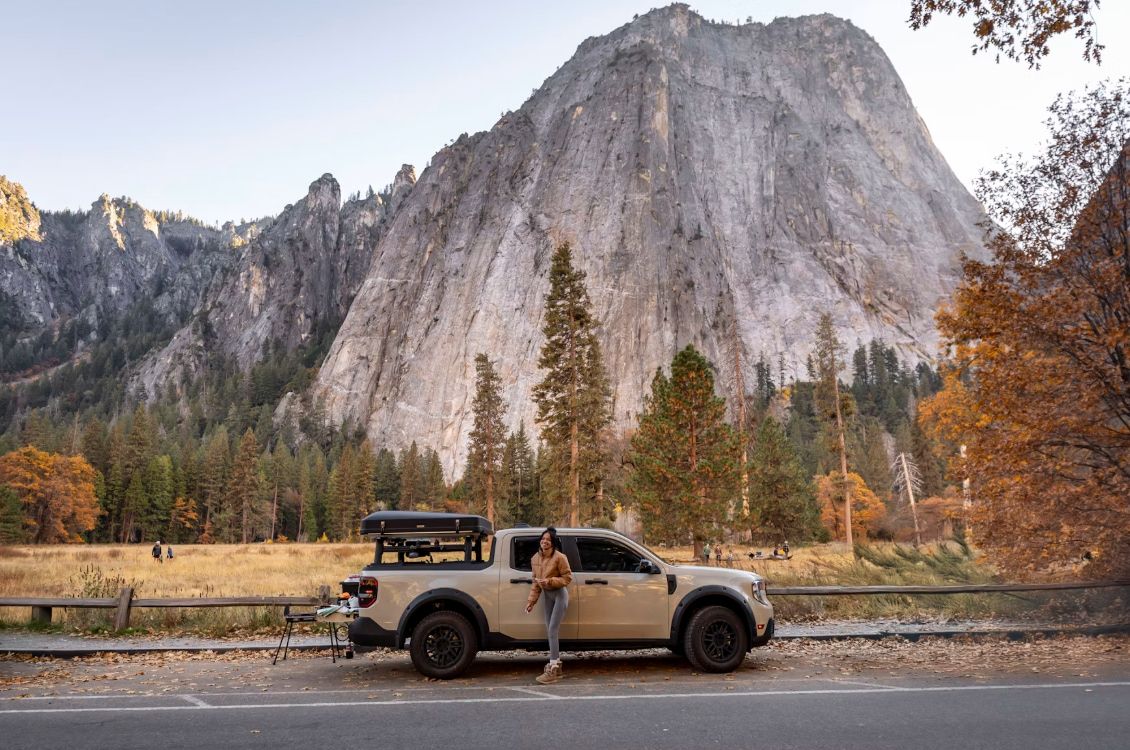
As pickups evolved from workhorses into luxury vehicles, their appeal expanded beyond job-site strength. Brands began showing them towing recreational equipment, reaching remote campsites and carrying families in comfort.
Strong GMC Sierra sales also show how firmly large pickups remain established in the U.S. market, with buyers continuing to choose trucks that combine everyday usability with substantial capability.
Premium utility now reflects versatility. Buyers will pay more when one vehicle can replace a traditional luxury car, family SUV and dedicated hauler.
Engineering for Serious Haulers
Luxury appointments mean little if a truck cannot safely manage its intended load. Smart buyers start with the numbers, including tow rating, payload capacity, gross combined weight rating and tongue-weight limits. Cab style, bed length, drivetrain and engine selection can change those figures within the same model line.
Someone comparing Sierra configurations should check the GMC Sierra towing capacity for the exact model, engine and setup before choosing a truck. That prevents a common mistake: assuming every version shares the maximum advertised rating.
Owners should calculate the loaded weight of the trailer and include passengers, cargo and accessories. Leaving a practical capacity margin also helps with hills, crosswinds and long highway trips.
Cabin Comfort Meets Heavy Hardware
Modern luxury trucks hide serious mechanical capability beneath carefully finished cabins. Available features may include heated and ventilated seats, premium audio, panoramic displays and extensive camera coverage. These comforts matter during a six-hour drive to a trailhead or while maneuvering a trailer into a narrow storage area.
Hardware remains central to the experience. Integrated trailer-brake controls, multiple drive modes and camera views can reduce driver workload. Some systems display tire pressure or provide guidance for lining up a hitch. The strongest designs make these tools easy to reach without crowding the dashboard. When test-driving a truck, check the controls while parked and confirm that key towing information is visible without searching through several menus.
What Modern Adventurers Expect
Drivers want a truck that can shift between daily life and outdoor plans without extensive preparation. Secure in-bed power outlets, adjustable tie-down points and weather-resistant storage can be as valuable as decorative trim. Rear-seat room also matters when passengers will spend several hours inside, especially with coolers, backpacks and other equipment sharing the cabin.
Current luxury truck rankings reflect how broad the category has become, with comfort, technology and capability all shaping buyer interest. Still, equipment should match actual use. A frequently used trailering camera may justify its cost, while oversized wheels can reduce ride comfort on broken pavement. Test the bed height, rear-seat access and parking visibility in person before selecting a trim.
The Future of High-End Utility
Electrification will reshape premium utility as manufacturers develop trucks with quick acceleration, onboard power and quieter operation. Battery-powered models can run equipment at a campsite or serve as a temporary power source, though towing range and charging access require careful planning. Buyers should examine estimated range under load instead of relying only on the standard figure.
Software will also take a larger role. Route planning may account for trailer dimensions, energy use and charging stops, while connected systems could simplify maintenance tracking. Yet physical fundamentals will remain decisive: payload, cooling, braking and stable handling still determine how useful a truck is. The best future models will present those limits clearly, giving owners accurate information before the road starts climbing.