Purpose-built off-road SUVs occupy a rare corner of the auto market. Their sales can remain resilient even as borrowing costs rise and demand for conventional commuter vehicles softens. Buyers often view these models as tools for recreation, daily transportation and long-term ownership, which broadens their appeal. Distinctive styling also helps them avoid becoming interchangeable with the many crossovers built mainly for paved roads. That combination of identity and practical utility gives capable SUVs an unusual degree of protection during slower sales cycles.
Tracking the Lifestyle Utility Surge
Outdoor activity has become a meaningful economic force. The Bureau of Economic Analysis tracks the expanding outdoor recreation economy, which includes spending on trips, equipment and related vehicles. Purpose-built SUVs benefit because they can support camping weekends, beach outings and daily errands without requiring owners to keep a second vehicle. This growing interest in outdoor adventures also influences the popularity of off-road vehicles and adventure-ready SUVs, particularly among buyers looking for vehicles that combine everyday practicality with recreational capability.
This demand also crosses age and income groups. Some buyers want removable roof panels and washable interiors, while others prioritize cargo space or access to remote campsites. When reviewing sales figures, compare off-road SUV performance with the broader SUV segment instead of the total vehicle market. That reveals whether lifestyle demand is offsetting a general slowdown.
Capabilities That Drive Repeat Buyers
Repeat buyers usually know which features they use. Four-wheel drive, generous ground clearance and short body overhangs can make rough access roads easier to manage. Durable cabin materials and simple cargo areas also help when muddy shoes, bicycles or camping equipment come along.
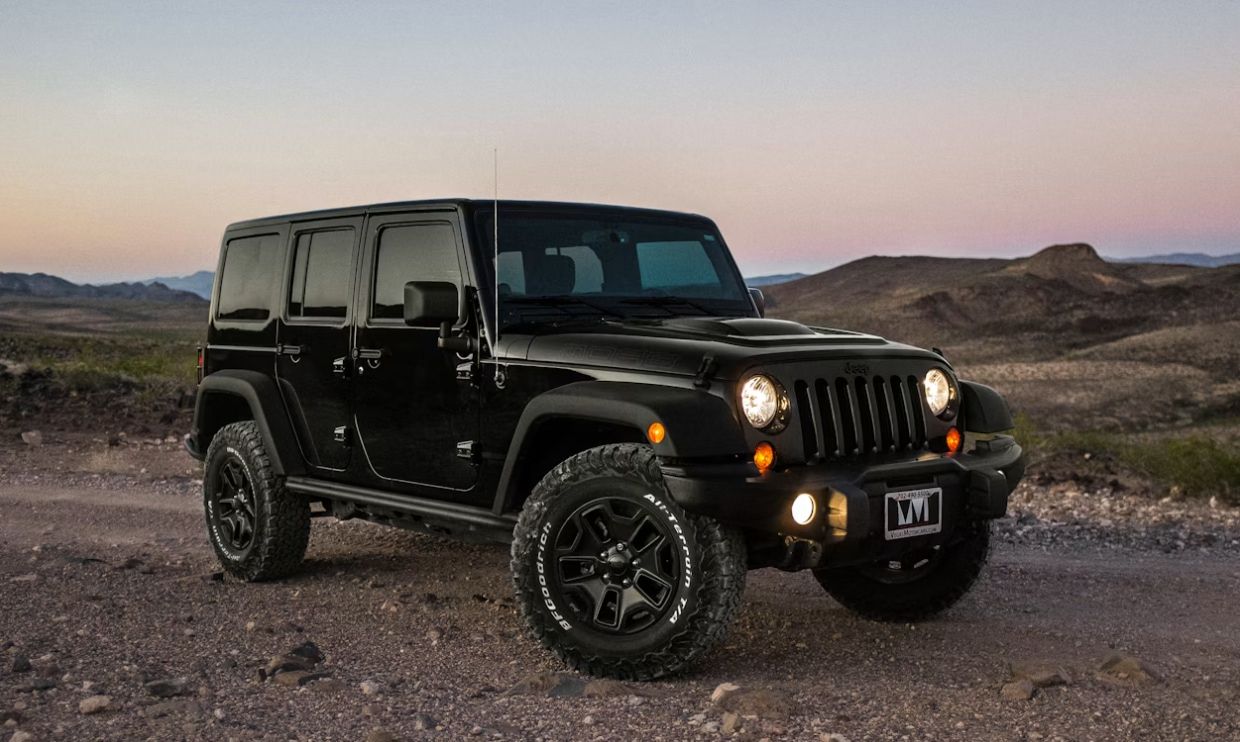
Shoppers evaluating a new Jeep Wrangler should match the trim and options to realistic driving needs. A daily driver may benefit more from comfort features and an easy-to-use roof than from the most specialized equipment package. Before buying, test rear-seat access, highway noise and cargo loading. Those details influence satisfaction after the novelty of a new vehicle wears off, making them strong predictors of repeat ownership.
The Enduring Allure of the Open Air
Open-air driving gives this category an experience that conventional SUVs rarely duplicate. Removable panels, folding roof systems and detachable doors can turn an ordinary trip into part of the recreation itself. That emotional connection matters because owners may accept compromises in efficiency or cabin quietness when the vehicle delivers an experience they can’t get elsewhere.
Prospective buyers should operate the roof system during a test drive instead of relying on a demonstration. Check how long it takes, where removed pieces can be stored and whether one person can handle the process. Weather sealing deserves attention too. A feature that’s simple enough to use on a Saturday morning will provide more value than one that stays closed all year.
Comparing Residual Curves Against Commuter Cabs
Residual value measures how much of a vehicle’s original price remains after several years. Specialized SUVs can follow a flatter depreciation curve because recognizable design, enthusiast demand and long model cycles keep used examples relevant. Broader used-vehicle value trends still affect every model, so strong identity doesn’t eliminate market risk.
Compare three-year and five-year values for the same trim, drivetrain and mileage range. Commuter-focused crossovers may be cheaper to operate, yet crowded model segments can put more pressure on resale prices. Condition also matters. Complete maintenance records, a clean interior and factory equipment tend to attract a wider pool of secondhand buyers than extensive customization.
What the Sales Trends Signal Next
The next phase of this market will likely bring more efficient powertrains, improved roof designs and better driver-assistance technology without erasing the upright profiles buyers recognize. Manufacturers have learned that capability and character help a model stand apart when mainstream SUV inventories grow.
Monthly sales totals alone won’t tell the full story. Watch transaction prices, incentives and days of supply alongside unit volume. Stable pricing with limited discounts can indicate healthier demand than a temporary sales jump driven by heavy promotions. Also track trade-in age. Owners replacing older examples after eight or ten years suggest durable loyalty, while frequent short-term trades may reflect changing tastes. Purpose-built SUVs should remain resilient as long as they preserve the practical details and open-air experiences that created that loyalty.