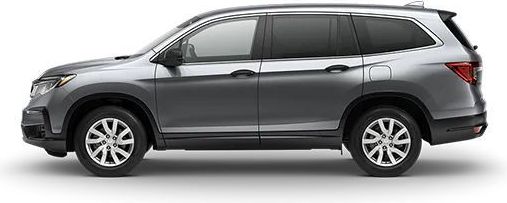

Compact SUVs have become the default choice for many new-vehicle buyers because they fit daily life without demanding the space or operating costs of a larger model. They offer elevated seating, flexible cargo areas and manageable exterior dimensions. Those traits appeal to commuters, small families and drivers replacing traditional sedans. As automakers add hybrid systems, updated safety technology and more trim choices, sales data increasingly reflects a market centered on practical crossovers.
Behind the Crossover Utility Boom
The crossover boom grew from a simple product change: manufacturers combined car-based platforms with the shape and flexibility buyers associated with larger utility vehicles. The result was easier entry, better cargo access and familiar road manners in one package.
The rise of crossover vehicles reflects a broader shift away from traditional passenger-car body styles. Product availability reinforces that trend. Most major brands now offer several compact or subcompact crossovers, giving shoppers a wide range of prices, powertrains and feature packages within the same general format.
Fuel Efficiency Meets Everyday Utility
Compact SUVs appeal to buyers who need space but still track fuel costs. Many models use smaller turbocharged engines, hybrid systems or front-wheel-drive layouts designed to limit consumption during routine commuting. Their lighter construction also helps them avoid the fuel demands commonly associated with larger vehicles.
The everyday practicality of compact SUVs extends to parking, cargo loading and passenger access. Check the window sticker for separate city, highway and combined fuel estimates when comparing powertrains. Your normal driving pattern matters. A hybrid may suit stop-and-go traffic, while a conventional engine could offer a lower purchase price for drivers covering mostly highway miles.
Sales Leaders in the Compact Segment
Compact SUV sales leaders tend to succeed through broad availability and clear pricing tiers. Popular nameplates usually offer an entry trim for budget-focused shoppers, a mid-level version with common comfort features and a higher trim with upgraded materials or technology. That structure lets one model compete across several price points.
Broader compact crossover and SUV sales also show how many established nameplates compete within the same segment, making year-to-year and quarterly performance useful when assessing wider market demand.
Monthly rankings can change because of incentives, inventory levels and fleet deliveries, so a single reporting period rarely tells the whole story. Compare year-to-date volume with the prior year and look at several months of results. A model posting steady sales across multiple quarters has stronger momentum than one receiving a brief boost from clearance pricing or delayed shipments.
Testing Trim Options in Person
A trim comparison should begin before the test drive. List the features you use every week, such as heated seats, phone integration, adaptive cruise control or a power liftgate. Then identify which trim includes them without requiring an expensive package.
Visiting a Chevrolet dealership gives you a chance to compare trim levels, seating, controls and cargo space in person rather than relying only on specification sheets.
During the drive, focus on differences that specifications can’t fully explain. Check rear visibility, seat comfort and control placement. Bring the items you regularly carry and see how they fit behind the second row. If all-wheel drive is under consideration, compare its price and fuel estimate with the front-wheel-drive version. Ask for an itemized quote because destination charges, installed accessories and financing terms can change the real cost.
Long-Term Value Retention by Model
Resale value depends on more than a model’s original price. Reliability history, mileage, condition and local demand all influence what a compact SUV may be worth several years later. Widely sold models can benefit from strong name recognition and readily available service parts, though heavy rental or fleet use may increase the supply of used examples.
Compare projected ownership costs along with depreciation. Insurance premiums, tire sizes and required maintenance can erase an apparent purchase-price advantage. Keep service records and follow the manufacturer’s schedule because documented care supports a stronger trade-in appraisal. The best sales leader for your driveway is the one that still fits your budget and cargo needs after the excitement of the test drive fades.