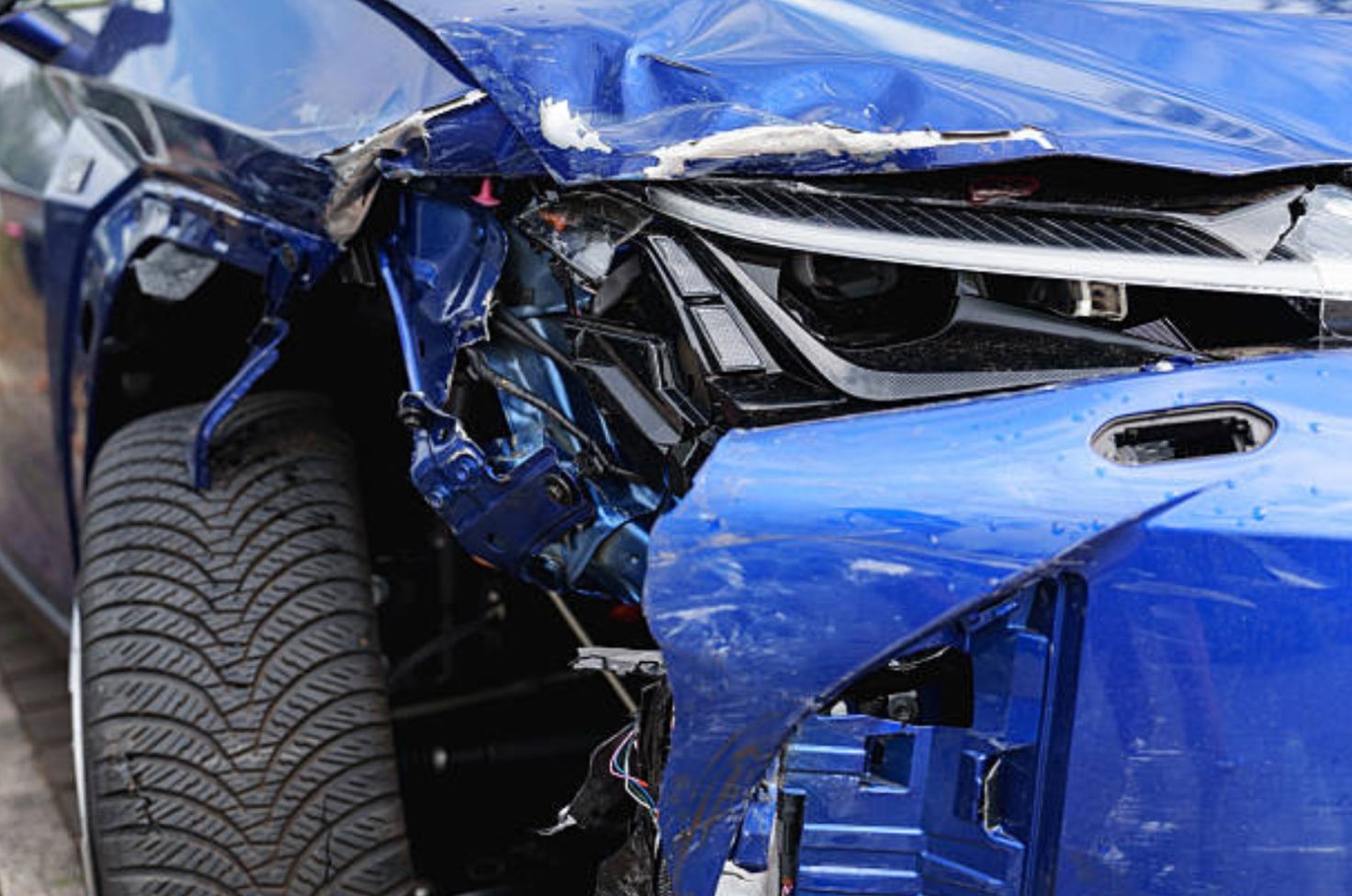
When a car accident happens during a driving lesson in Texas, responsibility may fall on the student, supervising adult, driving school, vehicle owner, or another driver. More than one party can share liability. The key question is who acted negligently and whether that conduct contributed to the crash.
Austin is the capital of Texas and is located in Travis County. The city has a large network of roads serving commuters, residents, and visitors. Its busy streets and varied driving conditions make safe driver training especially important.
An Austin, TX car accident lawyer can help injured people assess responsibility when a collision occurs during a lesson.
When Is the Student Driver Responsible?
Learner drivers can be held responsible for crashes caused by their own negligence. Having a learner's permit does not automatically excuse unsafe driving.
Examples of negligent behavior include:
Speeding or following too closely.
Running a red light or failing to yield.
Checking a phone while driving.
Changing lanes without checking blind spots.
Losing control or ignoring safety instructions.
A student may share fault even when an instructor or supervising adult is present.
Can the Supervisor or Driving School Be Liable?
A parent, guardian, or instructor may be responsible if they fail to provide reasonable supervision. This could include allowing a student to drive in dangerous conditions, failing to intervene when necessary, or giving confusing instructions.
Under Tex. Transp. Code § 521.222(d): A learner-license holder must be accompanied by a qualifying licensed driver who is at least 21 years old, has at least one year of driving experience and sits in the front passenger seat.
A commercial driving school may also face liability for inadequate training, negligent hiring, poor vehicle maintenance, or an instructor's conduct while performing their job.
What About the Vehicle Owner or Another Driver?
A vehicle owner may face a claim if they knowingly allow an unqualified or unsafe person to drive or provide a vehicle with a dangerous defect. Liability depends on what the owner knew, their involvement, and the circumstances of the vehicle's use.
However, the student is not automatically at fault simply because they were learning. Another motorist may have caused the collision by speeding, driving while impaired, changing lanes dangerously, or failing to yield.
Investigators must examine each person's actions rather than assume the learner caused the accident.
How Texas Determines Shared Fault
Texas uses a proportionate-responsibility system. Under Tex. Civ. Prac. & Rem. Code § 33.003, responsibility can be assigned by percentage to parties whose conduct contributed to the injury. For example, a student might bear 40% of the responsibility, a supervisor 30%, and another driver the remaining 30%.
An injured claimant's own conduct can also affect compensation. Under Texas's modified comparative-fault rule, a claimant generally cannot recover damages if their share of responsibility exceeds 50%. If their share is 50% or less, compensation may be reduced proportionately.
Which Insurance Policy Covers the Accident?
Coverage may come from the student's family auto policy, the vehicle owner's insurance, a driving school's commercial policy, or another driver's insurer. Uninsured or underinsured motorist coverage may also be relevant.
Insurers may dispute whether the student qualifies as an insured driver, whether the vehicle was used with permission, or whether a policy excludes driving school activities.
Key Takeaways
A student driver can be liable for negligent driving despite having a learner's permit.
Supervisors may share responsibility for inadequate supervision.
Driving schools and vehicle owners may face claims depending on their conduct.
Another motorist may be responsible for causing the collision.
Texas allocates fault by percentage, which can affect compensation.
Several insurance policies may need to be reviewed.