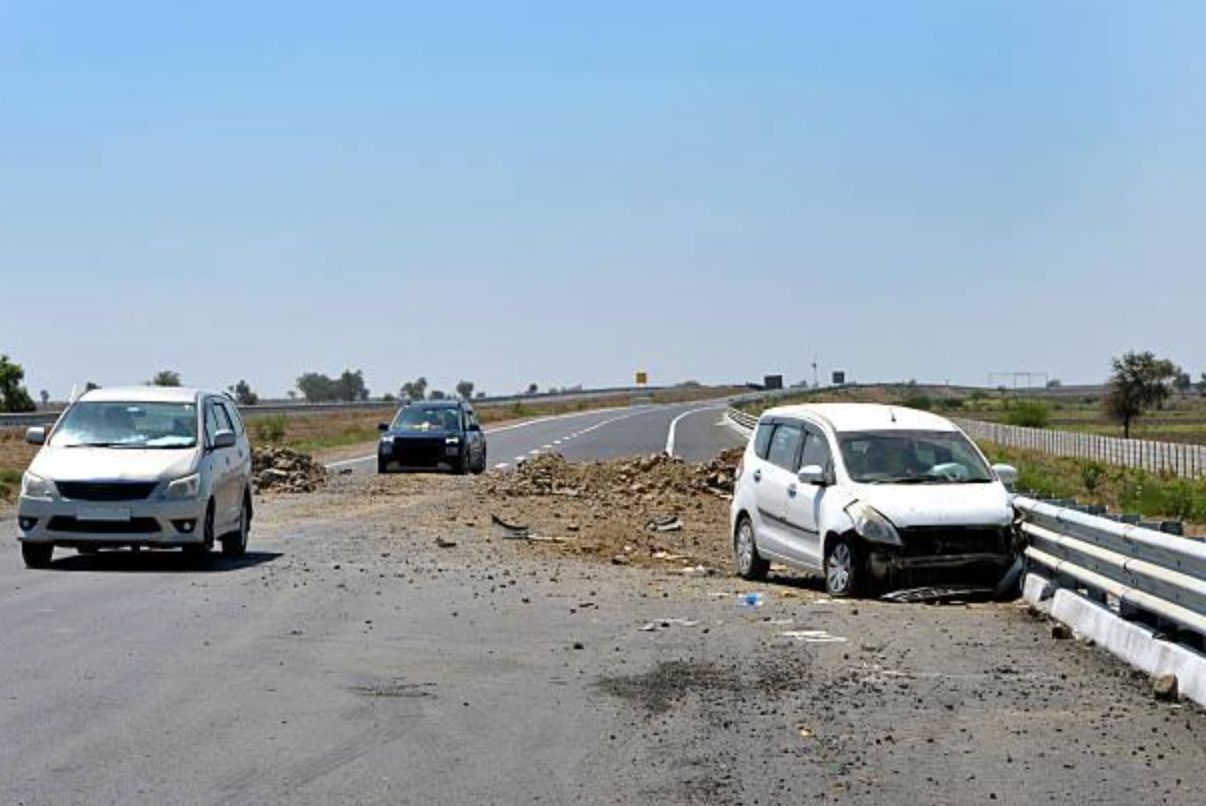
Lexington, Kentucky, is a busy city with residential neighborhoods, commercial districts, and major roads connecting drivers to surrounding communities. Daily traffic requires motorists to remain alert and respond carefully to changing road conditions and the actions of other drivers.
When a driver causes a crash while trying to avoid another vehicle, liability depends on what created the danger and whether the driver’s reaction was reasonable under the circumstances. The driver who swerved may be responsible, the driver who created the hazard may share liability, or multiple parties may be at fault. Investigators consider each person’s actions, the available evidence, and the laws that apply to the accident.
In Lexington, sudden lane changes, unexpected stops, and unsafe driving maneuvers can force motorists to react quickly to avoid a collision. An experienced car wreck attorney in Lexington, KY can help examine how the crash occurred and determine which parties may be legally responsible for the resulting injuries.
Can a Driver Be Liable for Swerving to Avoid Another Vehicle?
A driver who swerves to avoid a collision is not automatically at fault, but the maneuver must be evaluated in context. Drivers are generally expected to exercise reasonable care, maintain control of their vehicles, and consider the safety of others on the road.
For example, if a driver suddenly swerves into another lane without checking for nearby traffic and strikes another car, that driver may be found negligent. However, if an unexpected hazard leaves little time to react, the driver’s decision may be considered in light of the emergency.
The key question is whether the driver acted reasonably given the danger and the time available to respond. Kentucky’s general driving rules require motorists to operate their vehicles carefully, making Section 189.290 of the Kentucky Revised Statutes relevant when evaluating a driver’s actions during an emergency maneuver.
Is the Driver Who Created the Hazard Responsible?
The driver who caused the initial danger may also be liable for a resulting crash. For instance, a motorist who abruptly cuts into another vehicle’s lane, runs a red light, or stops unexpectedly without a valid reason may force another driver to make an evasive maneuver.
If that maneuver leads to a collision, the actions of the driver who created the hazard may be an important factor in determining liability. However, causing the initial danger does not automatically make that driver responsible for every resulting injury. Investigators must assess whether the conduct contributed to the crash and whether the other driver responded reasonably.
In some cases, both drivers may share responsibility.
How Does Kentucky Law Handle Shared Fault
Kentucky follows a comparative fault system. Under Kentucky Revised Statutes Section 411.182, fault can be allocated among parties based on their conduct and the extent to which it caused the claimed damages.
For example, suppose one driver creates a hazard by changing lanes recklessly, while the driver who swerves reacts in a way that also contributes to the collision. The evidence may support assigning a percentage of fault to each driver.
An injured person’s compensation may be reduced according to their share of responsibility. Determining these percentages requires a review of the circumstances rather than simply identifying which vehicle made contact first.
Evidence That Helps Determine Liability
Evidence can help establish how the emergency began, what each driver did, and whether the reaction was reasonable. Relevant information may include:
Police reports and witness statements.
Dashcam or traffic-camera footage.
Photographs of vehicle damage and road conditions.
Skid marks, vehicle positions, and other physical evidence.
Medical records documenting the resulting injuries.
The timing of each maneuver can be particularly important. Video footage or witness accounts may help show whether a driver had a realistic opportunity to brake, slow down, or choose a safer path.
Steps to Take After This Type of Crash
After a collision, seek medical attention for any injuries and report the accident to law enforcement when required. If it is safe, document the scene, exchange information with the other drivers, and collect witness contact details.
Avoid assuming that the driver who swerved is automatically responsible or that the driver who created the hazard must pay for everything. Insurance companies may reach different conclusions about fault, so preserving evidence and providing an accurate account of events can help protect your claim.
Points to Remember
Liability Depends on the Cause: Responsibility depends on what caused the danger and whether each driver acted reasonably.
Unsafe Swerving Can Lead to Liability: A driver who swerves may be responsible if the maneuver was unsafe under the circumstances.
The Driver Who Created the Hazard May Share Fault: The person who caused the initial danger may also be held responsible for the resulting crash.
Kentucky Law Allows Shared Fault: Liability may be divided among multiple parties based on their share of responsibility.
Evidence Helps Establish Liability: Video footage, witness statements, and crash-scene details can help determine how the accident occurred.