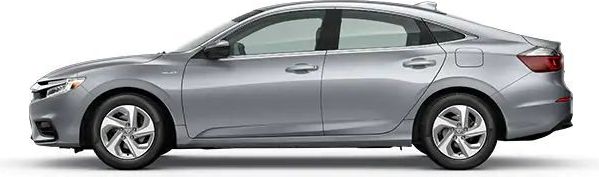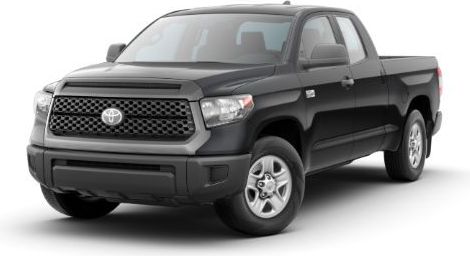
New vehicle sticker prices and higher financing costs have changed the math for drivers who need dependable transportation. A late-model car may offer newer technology and warranty coverage, but its monthly payment can put lasting pressure on a household budget. For many buyers, keeping a current vehicle longer or purchasing a carefully inspected older model offers a more manageable alternative. The key is comparing total costs, including financing, maintenance, insurance and likely repairs, instead of focusing on purchase price alone.
Current Trends in New Vehicle Pricing
New cars have become harder to fit into middle-income budgets as production expenses, technology packages and borrowing costs push payments upward. An analysis of rising vehicle ownership costs also points to tariffs and costlier components as factors affecting what drivers pay.
Long loan terms can make an expensive vehicle appear affordable each month, but they increase total interest and may leave the driver owing more than the car is worth. A seven-year loan also keeps the payment around long after the new-car appeal fades. These conditions explain why dependable models with several years of service history remain attractive, especially when they have common parts and documented maintenance.
Calculating Monthly Loan vs Upkeep Budgets
Compare a potential loan payment with a realistic monthly repair reserve. For example, a $550 payment equals $6,600 per year before insurance increases, registration fees and interest-related costs. Setting aside $200 per month for an older car creates a $2,400 annual maintenance fund while preserving more cash for other expenses. Understanding the ways to pay for unexpected car repairs can also help you prepare for expenses that exceed your available maintenance budget.
Review the past 12 months of repair receipts and identify work likely to arise next, such as tires, brakes or fluid service. A trusted auto repair provider can help Pleasant View commuters and families assess maintenance needs through inspections and electronic diagnostics. Use those findings to compare known upkeep costs with the fixed obligation of a new loan.
Strategic Auto Repair Over Heavy Debt
Repairing an older vehicle often makes financial sense when the structure is sound, the major systems operate properly and the car meets your daily needs. A $1,500 repair can feel substantial, but it may equal only three months of payments on a replacement. Once completed, that work may provide years of additional service.
Set a practical spending threshold based on the vehicle’s condition and replacement cost. Avoid comparing one repair bill with the car’s resale value alone. Compare it with the cost of securing equally reliable transportation. Repeated overheating, serious corrosion or several major failures in a short period can signal that replacement deserves consideration. Routine wear items do not carry the same warning.
Diagnostic Baselines for Used Purchases
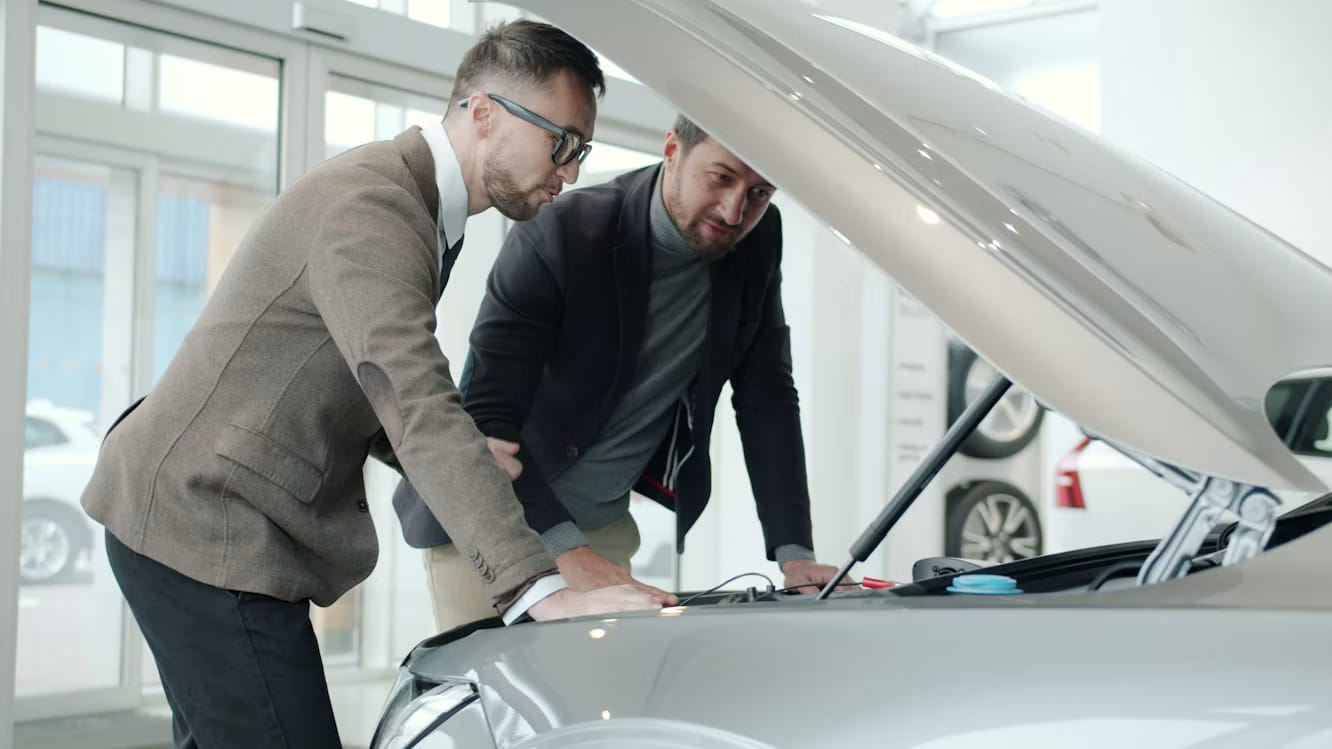
Every used-car purchase should begin with a baseline inspection performed before money changes hands. Ask for a scan of the electronic systems, a road test and checks of the battery, tires, brakes, fluids, suspension and cooling system. Confirm that dashboard warning lights illuminate at startup, then switch off normally.
Service records can reveal consistent care, long gaps or recurring problems. Current car buying trends and tips also emphasize budgeting beyond the sale price and reviewing financing terms closely. If an inspection identifies $1,200 in immediate work, include that amount in your offer calculation. A seller who refuses an independent inspection gives you a clear reason to keep looking.
An older car works best as a financial strategy when its condition is documented and its upcoming costs are visible. Keep a repair reserve, record each service and reassess the vehicle after major changes in reliability. That running cost history will show when another repair remains sensible and when replacement has become the less expensive choice.