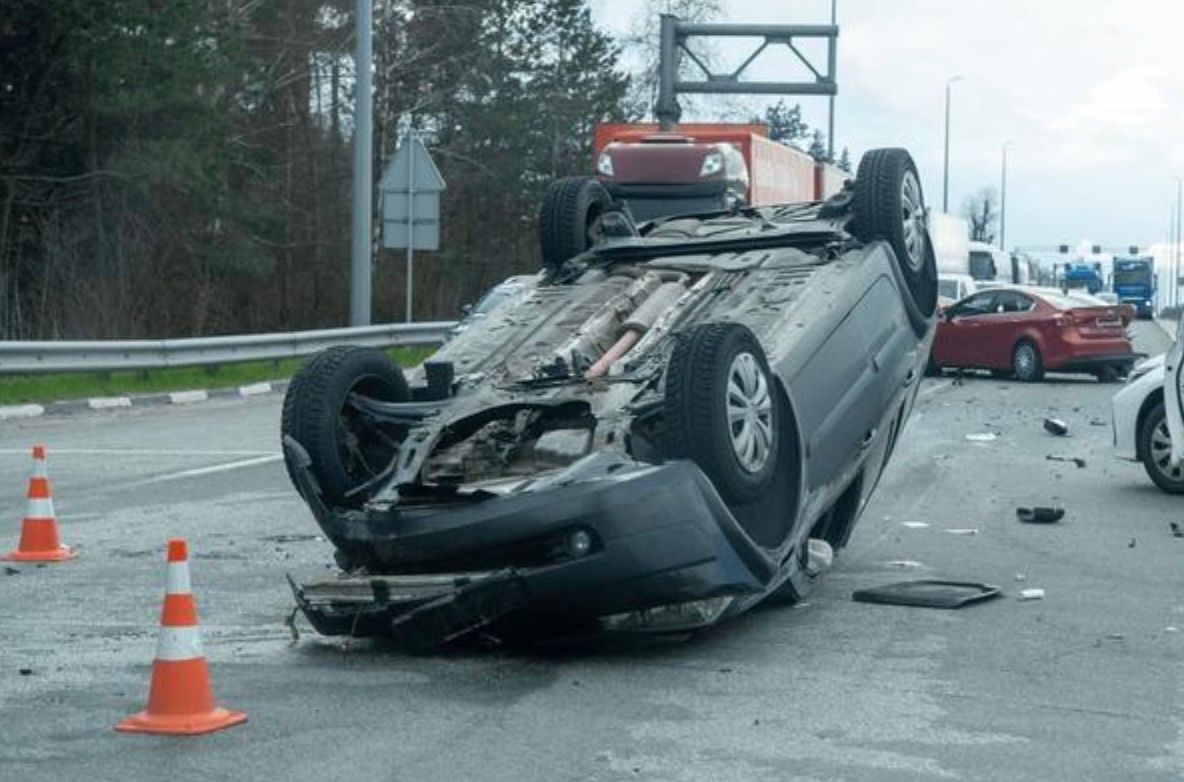
A multiple-vehicle crash can be much more complicated than a typical two-car accident because several drivers, insurance companies, and potentially other parties may share responsibility. Determining who caused the collision often requires examining the actions of every driver involved, the sequence of impacts, traffic conditions, and available evidence. In Austin, Texas, these cases can become especially challenging when different versions of events emerge after a crash.
Austin is the capital of Texas and one of the state's busiest and fastest-growing cities. With major roads, highways, busy intersections, and increasing traffic, crashes involving several vehicles can happen in many different circumstances. Anyone dealing with the aftermath may benefit from speaking with an Austin car accident attorney who understands how Texas law applies to complicated collision claims.
Determining How the Crash Started
The first question in a multiple-vehicle accident is often how the chain reaction began. One driver may have suddenly changed lanes, another may have been following too closely, or a third vehicle may have failed to stop in time.
Police reports, photographs, witness statements, vehicle damage, and traffic-camera footage can help establish the sequence of events. An Austin car accident attorney can review this information to determine whether the evidence supports one driver's version of what happened.
More Than One Driver May Be Responsible
Multiple-vehicle crashes do not always have one clearly responsible driver. Two or more motorists may have contributed to the collision.
Texas follows a modified comparative responsibility system. Under Texas Civil Practice and Remedies Code § 33.003, a court can determine the percentage of responsibility attributable to each party involved in a lawsuit.
This means a person's compensation may be affected by their own share of responsibility. Understanding how fault is divided can therefore be important when pursuing compensation after a multi-car crash.
Insurance Claims Can Become Complicated
When several vehicles are involved, there may be multiple insurance policies and claims to deal with. Each insurance company may have its own interests and may attempt to determine how much responsibility its policyholder should bear.
An insurance company may argue that another driver caused the collision or that its insured only played a minor role. This can make negotiations more complicated than they would be in a straightforward two-vehicle accident.
An Austin car accident attorney can help organize the available evidence and communicate with insurers during the claims process.
Injuries May Differ Between Drivers
People involved in the same crash can suffer very different injuries. One person may walk away with minor bruises, while another may require emergency treatment or face a long recovery.
Some injuries may also take time to become noticeable. Whiplash, certain soft-tissue injuries, and some traumatic injuries may not produce obvious symptoms immediately.
For this reason, people involved in a serious collision should pay attention to symptoms and follow appropriate medical advice rather than assuming they are unharmed because they initially feel fine.
Evidence Becomes Especially Important
Evidence can help reconstruct what happened before, during, and after a multi-vehicle crash. Useful evidence may include:
Police and accident reports
Photographs and videos of the vehicles and roadway
Dashcam or surveillance footage
Vehicle damage patterns
Medical records
Cellphone or electronic records when legally relevant
Traffic and road-condition information
An Austin car accident attorney may use these materials to build a clearer picture of the collision and challenge unsupported claims about fault.
What If a Commercial Vehicle Is Involved?
A multi-vehicle crash can become even more complicated when a commercial truck, delivery vehicle, rideshare vehicle, or company-owned car is involved.
There may be additional insurance policies, employment relationships, company records, or regulations that need to be considered. Determining whether the driver, company, vehicle owner, or another party may be responsible can require additional investigation.
Why You Should Be Careful With Insurance Statements
After a crash, insurance companies may contact drivers or injured passengers to obtain information about what happened. While providing necessary information is part of the claims process, avoid guessing about fault or minimizing injuries.
Statements made shortly after a collision may later be used when evaluating a claim. It is better to provide accurate information and avoid making assumptions about the actions of other drivers.
What Should You Do After a Multi-Vehicle Crash?
If you are involved in a serious multi-car collision, prioritize immediate safety and medical attention. If possible, document the scene, obtain contact and insurance information from other drivers, and identify witnesses.
Keep copies of medical records, bills, repair estimates, insurance communications, and other documents connected to the accident. These records can become important when determining the full impact of the crash.
If several parties are disputing responsibility, getting legal guidance early may help protect your ability to pursue compensation.
Key Takeaways
Multiple-vehicle crashes can involve several potentially responsible drivers.
Establishing the order and cause of the collisions is often critical.
Texas law allows responsibility to be divided among parties.
Your compensation may be affected by your percentage of fault.
Insurance claims can become more complicated when multiple policies are involved.
Photographs, videos, witnesses, and vehicle damage can help establish what happened.
Commercial vehicles can introduce additional parties and insurance issues.
Keep records of medical treatment, expenses, repairs, and insurance communications after the crash.