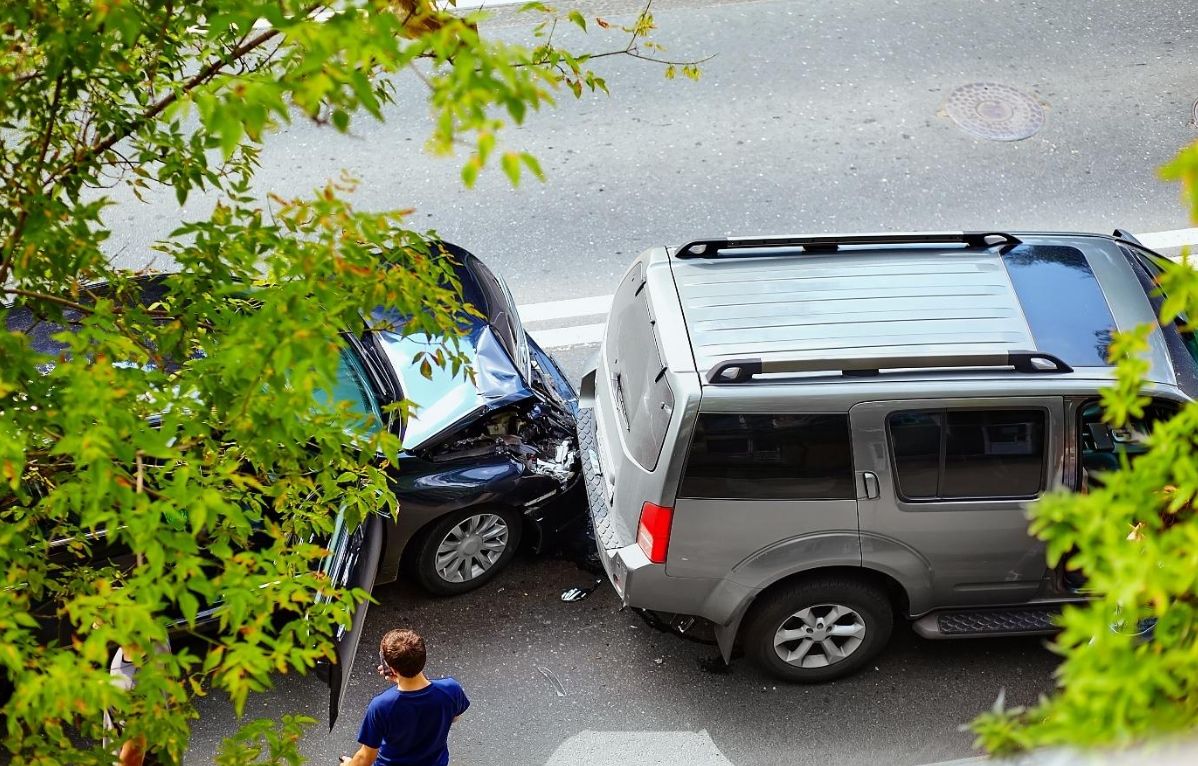
Being hit by another driver is stressful enough, but discovering that their insurance policy has expired can create another layer of uncertainty. An expired policy generally means the driver does not have active coverage available under that policy for the crash. However, it does not automatically mean that the injured person has no way to seek compensation.
Texas drivers are required to maintain financial responsibility when operating vehicles on public roads. If a collision happens in Austin, which is a busy city in Texas, the next steps may involve checking the at-fault driver's coverage status, reviewing your own policy, and determining whether the driver has personal assets that could help pay for the losses. Getting legal help after a car wreck in Austin may help clarify which options apply to the circumstances.
First, Confirm Whether the Policy was Actually Inactive
Do not rely only on what the other driver says at the scene. An insurance card may show an old policy period, but coverage details should be confirmed directly with the insurer.
There may be situations where a policy was renewed, payment was processed late, or coverage information was not updated in the insurer's records. Contacting the insurance company can help establish whether the policy was active at the time of the collision.
Keep copies of any written communication about the policy status. If the insurer confirms that coverage had ended before the crash, ask for the relevant dates and the reason the policy was inactive.
Your Own Insurance May Provide a Solution
When the at-fault driver has no active insurance, your own auto policy may become especially important. Depending on the coverage you purchased, you may be able to use:
Uninsured motorist coverage: This may help pay for certain injuries caused by an uninsured driver.
Personal injury protection: Texas policies generally include personal injury protection unless the policyholder rejects it in writing.
Medical payments coverage: If purchased, this may help with eligible medical expenses.
Collision coverage: This may help pay for damage to your vehicle, subject to your deductible and policy terms.
Texas Insurance Code provisions address uninsured and underinsured motorist coverage, while state insurance rules also govern other available protections. The Texas Department of Insurance explains common auto insurance coverage options and consumer rights.
What Does Texas Law Require?
Texas Transportation Code Chapter 601 establishes financial responsibility requirements for drivers. In general, drivers must be able to demonstrate the required financial responsibility, commonly through an active auto liability insurance policy.
Texas minimum liability limits are often described as 30/60/25 coverage: \$30,000 for bodily injury to one person, \$60,000 per accident for bodily injury, and \$25,000 for property damage. These are minimum limits, not a guarantee that every loss will be fully covered.
The Texas Transportation Code, Chapter 601 provides the state's financial responsibility requirements.
Can You Sue the Uninsured Driver?
A driver whose insurance has expired may still be legally responsible for causing a collision. You may be able to pursue a claim directly against that person for medical costs, lost income, vehicle damage, and other legally recoverable losses.
However, winning a claim and collecting compensation are two different matters. If the driver has limited income or few assets, collecting a judgment may be difficult. This is one reason reviewing your own insurance coverage early can be useful.
Avoid agreeing to a quick cash payment without understanding the full extent of your injuries and repair costs. Some injuries take time to become apparent, and an informal agreement could create complications later.
Steps to Take After the Collision
Call the police and request a crash report.
Exchange the driver's name, contact information, registration, and insurance details.
Photograph the vehicles, road conditions, and visible injuries.
Seek medical attention, even if symptoms seem minor.
Notify your insurer and ask about applicable coverage.
Keep receipts, medical records, repair estimates, and missed-work information.
Pro Tip: Ask your insurer to confirm in writing whether uninsured motorist, personal injury protection, or other coverage applies. Do not assume a policy includes protection simply because you have standard liability insurance.
Key Takeaways
An expired policy may leave the at-fault driver without active liability coverage.
Confirm the policy status directly with the insurer.
Uninsured motorist and other first-party coverage may help with eligible losses.
Texas Transportation Code Chapter 601 establishes financial responsibility requirements.
A driver can remain personally liable even when insurance has expired.