SUV buyers with children often prioritize usable space, everyday comfort and technology that reduces stress on busy trips. That focus has helped larger crossovers become central to the family vehicle market. Current family SUV rankings reflect how strongly passenger room, cargo flexibility and safety features influence recommendations. Still, specifications only tell part of the story. Families also need to consider how a vehicle works during school runs, grocery trips and long weekends away.
The Rise of Three-Row SUVs
Three-row SUVs appeal to families that need seating flexibility without moving to a full-size vehicle. Many models accommodate six or seven people, yet the third row can fold when cargo space matters more. This lets a household carry extra passengers on Friday and load sports equipment on Saturday.
The category has also become more refined. Current models tend to offer quieter cabins, improved ride quality and easier access to rear seats. Before choosing one, sit in all three rows and test the folding mechanisms. A third row that looks adequate on a specification sheet may feel cramped to a teenager or difficult to reach with a child seat installed.
Key Purchase Drivers for Families
Start with the tasks the SUV must handle each week. Seating capacity matters, but families should also check rear-door openings, cargo height and storage for small items. Bring a stroller, cooler or other frequently carried equipment to a test drive so you can confirm that it fits without complicated rearranging. This family car buying guide offers further advice on comparing space, safety, comfort and long-term costs.
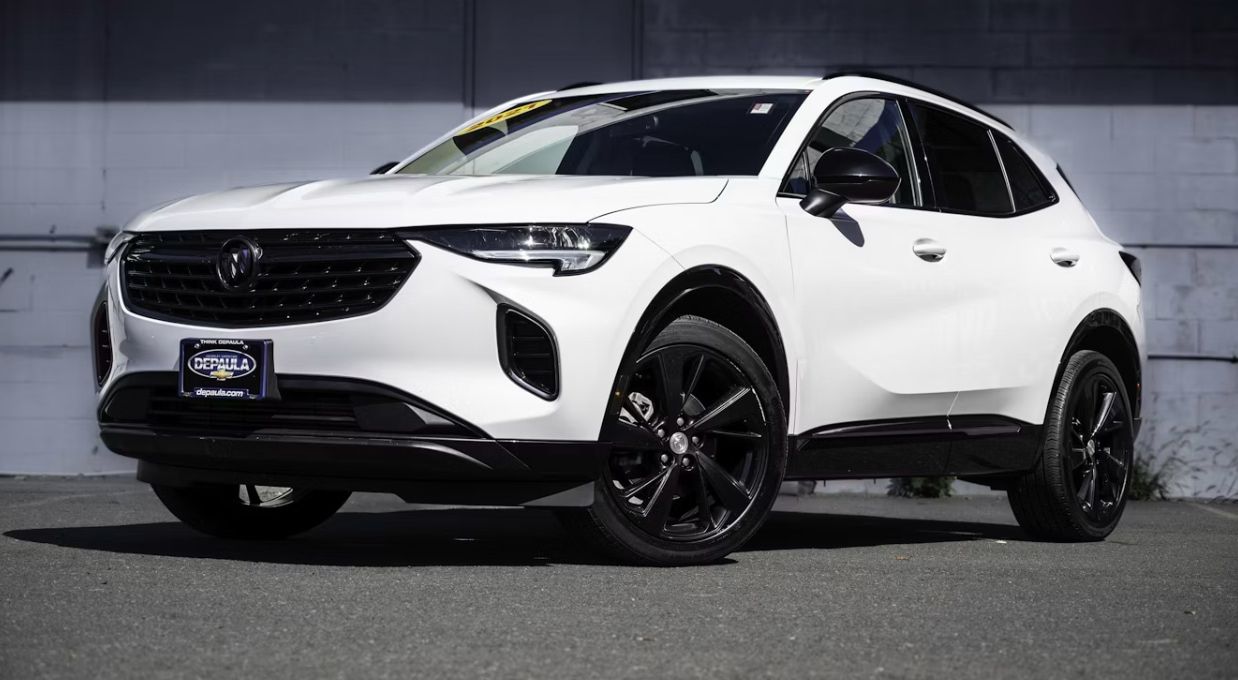
Shoppers comparing a 2026 Buick Enclave for sale can review an example with three-row seating for seven, a 30-inch diagonal touchscreen and up to 5,000 pounds of towing capacity. Those figures are most useful when tied to real needs. Buyers should also compare insurance estimates, fuel costs and scheduled maintenance because the purchase price represents only one part of long-term ownership.
Technology Shaping Family Vehicle Choices
Cabin technology now affects daily usability as much as engine output or exterior dimensions. Large displays can make maps easier to read, while wireless phone integration reduces cable clutter. Multiple charging points also help when several passengers bring phones, tablets and other devices.
During a test drive, use the touchscreen while parked and check how many steps common tasks require. Climate controls, audio settings and camera views should be quick to find. Test voice commands on the road to see how well the system handles normal cabin noise. Families may also value rear-seat reminders, built-in Wi-Fi and driver profiles that save seat and mirror positions. Straightforward controls remain valuable because complicated menus can distract the driver.
Safety Innovations in Modern SUVs
Modern SUVs use cameras, radar and sensors to identify hazards around the vehicle. Automatic emergency braking may respond when a driver does not react quickly enough, while blind-spot monitoring can help during lane changes. Rear cross-traffic alerts are useful in crowded parking lots where another vehicle may be difficult to see.
Compare independent crash-test ratings for the exact model year and configuration under consideration. Buyers should also confirm which driver-assistance systems come standard because feature availability can vary by trim. No electronic aid replaces attentive driving. Clear outward visibility, predictable braking and controls that are easy to operate still matter during every trip.
Future Trends in the SUV Segment
Family SUVs are likely to offer more electrified powertrains, smarter cabin software and flexible interiors. Hybrid systems can reduce fuel use during stop-and-go driving, while electric models may appeal to households with dependable home charging. Manufacturers are also exploring movable consoles, improved third-row access and materials designed to withstand frequent spills.
Software will shape ownership after the purchase as over-the-air updates add functions or revise existing systems. Buyers should ask how long connected services remain included and what subscriptions may cost later. The best future-focused SUV will pair useful technology with practical fundamentals: comfortable seats, accessible storage and controls that make sense on the first drive. A thorough test with the whole family remains the clearest measure of that balance.