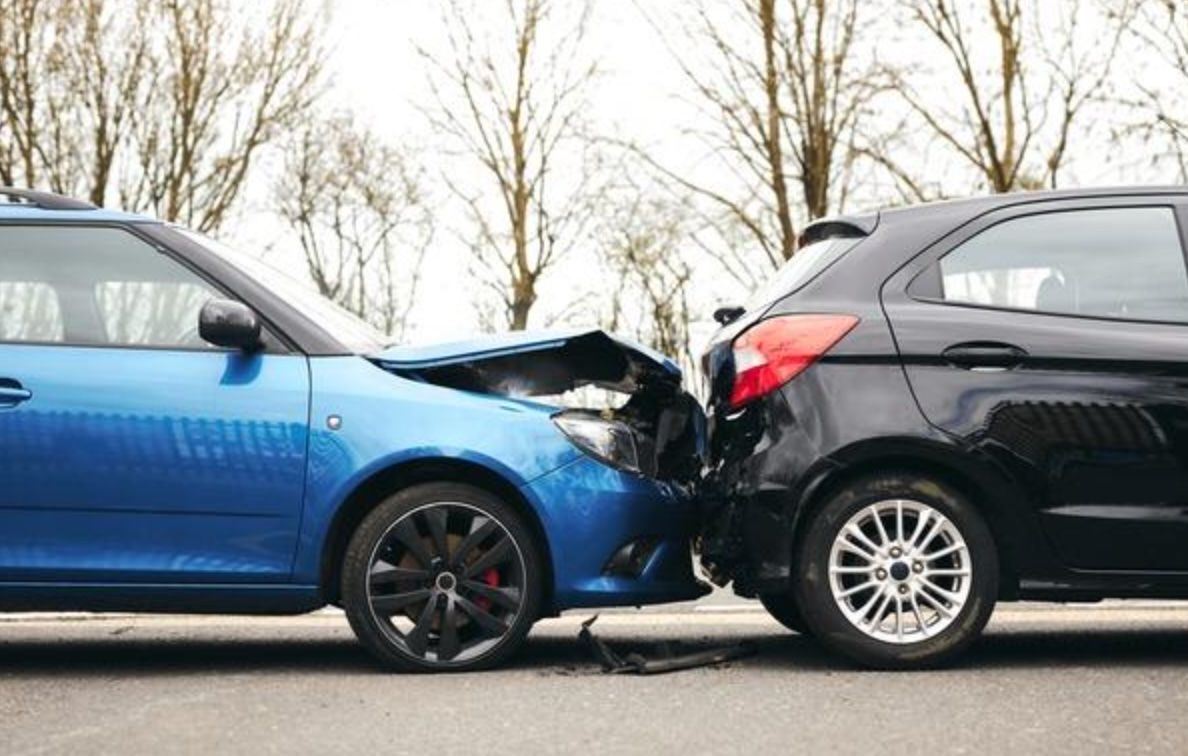
Located on Florida’s Gulf Coast, St. Petersburg is known for its beautiful waterfront views, growing population, and busy roadways. The city attracts both residents and tourists, which means its streets often experience heavy traffic throughout the day. With major highways, intersections, and constant commuter movement, drivers must remain alert to avoid accidents.
When a rear-end crash does happen, victims may seek help from a St. Petersburg rear-end collision attorney to understand their legal options and recover damages.
However, the best approach is always prevention. By following safe driving practices, motorists can reduce the chances of rear-end collisions and help keep the roads safer for everyone.
Maintain a Safe Following Distance
One of the leading causes of rear-end crashes is following another vehicle too closely. When drivers do not leave enough space, they may not have enough time to react if traffic suddenly slows down.
Keeping a safe following distance allows you to stop safely when needed.
Drivers should follow these guidelines:
Use the three-second rule when following another vehicle.
Increase the distance during heavy traffic
Leave extra space when driving behind large trucks or buses.
Add more distance during rain or poor visibility
Maintaining space between vehicles gives you more reaction time and helps prevent sudden braking accidents.
Stay Focused and Avoid Distractions
Distractions are another major factor in rear-end collisions. Even a few seconds of looking away from the road can lead to an accident.
Drivers should keep their full attention on driving.
Common distractions include:
Texting or using a phone
Adjusting navigation systems
Eating or drinking while driving
Talking with passengers and losing focus
To reduce risk, drivers should put phones away, set navigation before driving, and focus only on the road ahead.
Watch Traffic Patterns Ahead
Another important safety habit is observing traffic beyond the vehicle directly in front of you. Many drivers only focus on the car ahead, but experienced drivers look further down the road.
This helps them anticipate sudden slowdowns or stopped traffic.
Drivers can improve awareness by:
Looking several vehicles ahead in traffic
Watching brake lights from cars further up the road
Paying attention to traffic signals early
Preparing for sudden stops in congested areas
By anticipating traffic changes early, drivers can react smoothly instead of braking suddenly.
Brake Early and Smoothly
Sudden braking is one of the main triggers of rear-end collisions. When drivers slam the brakes unexpectedly, vehicles behind them may not have enough time to stop.
Instead, drivers should try to slow down gradually.
Safe braking habits include:
Applying brakes early when approaching traffic
Slowing down when approaching intersections
Avoiding sudden stops whenever possible
Using brake lights to warn drivers behind you
Smooth braking gives other drivers time to respond and helps maintain a safer traffic flow.
Be Extra Careful in Heavy Traffic
Rear-end accidents are especially common in congested traffic conditions. Stop-and-go driving increases the risk of drivers reacting too late.
During heavy traffic, drivers should take extra precautions.
Helpful safety tips include:
Reducing speed in crowded areas
Leaving extra space between vehicles
Remaining patient in slow-moving traffic
Avoiding sudden lane changes
By adjusting your driving habits in busy areas, you can lower the risk of rear-end crashes.
Maintain Your Vehicle Properly
Vehicle condition also plays a role in accident prevention. If brakes, tires, or lights are not working properly, stopping safely becomes more difficult.
Drivers should regularly maintain their vehicles.
Important maintenance steps include:
Checking brake systems regularly
Ensuring tires have proper tread and pressure
Replacing worn brake pads
Making sure brake lights function properly
A well-maintained vehicle improves your ability to stop quickly and avoid accidents.
Adjust Driving for Weather Conditions
Weather can significantly increase the risk of rear-end collisions. Rain, fog, or slippery roads make it harder to stop quickly.
Drivers should adjust their behavior when conditions change.
Safety adjustments include the following:
Driving slower during rain or fog
Increasing following distance
Using headlights in low visibility
Avoiding sudden braking on wet roads
These small changes can make a big difference in preventing accidents.
Key Takeaways
Rear-end collisions are common but often preventable with safe driving habits.
Maintaining a safe following distance gives drivers more reaction time.
Avoiding distractions helps drivers stay focused on traffic conditions.
Watching traffic patterns ahead allows drivers to anticipate slowdowns.
Smooth and early braking helps prevent sudden stops.
Extra caution is important in heavy traffic and poor weather conditions.
Regular vehicle maintenance improves overall driving safety.