Classic cars represent automotive history, craftsmanship, and the distinctive design trends of previous generations. Restoring these vehicles requires patience, technical knowledge, and specialized skills to preserve their original character while improving their condition. Among these skills, welding plays a particularly important role in repairing damaged components, restoring structural integrity, and creating custom modifications.
Whether enthusiasts are rebuilding a vintage muscle car or transforming an older vehicle into a modern restomod, welding enables many improvements. Understanding how different welding techniques contribute to restoration and customization helps car owners appreciate the craftsmanship behind these projects.
Why Welding Is Essential In Classic Car Restoration
Classic vehicles often develop rust, corrosion, and structural damage after decades of exposure to moisture and changing weather conditions. These problems commonly affect floor pans, rocker panels, wheel arches, and other metal components that support the vehicle's structure.
Welding allows restoration specialists to remove damaged sections and install replacement metal while preserving as much original material as possible. Unlike temporary repairs that simply conceal deterioration, properly executed welding can restore the strength and functionality of affected components.
However, successful restoration requires more than joining two pieces of metal. Technicians must understand the vehicle's construction, identify the correct materials, and select welding techniques that minimize distortion and preserve structural integrity.
Common Welding Techniques Used In Automotive Restoration
Different restoration projects require different welding methods, depending on metal thickness, component location, and the desired finish. Classic car workshops frequently use MIG welding and TIG welding.
MIG Welding For Body Panels And Structural Repairs
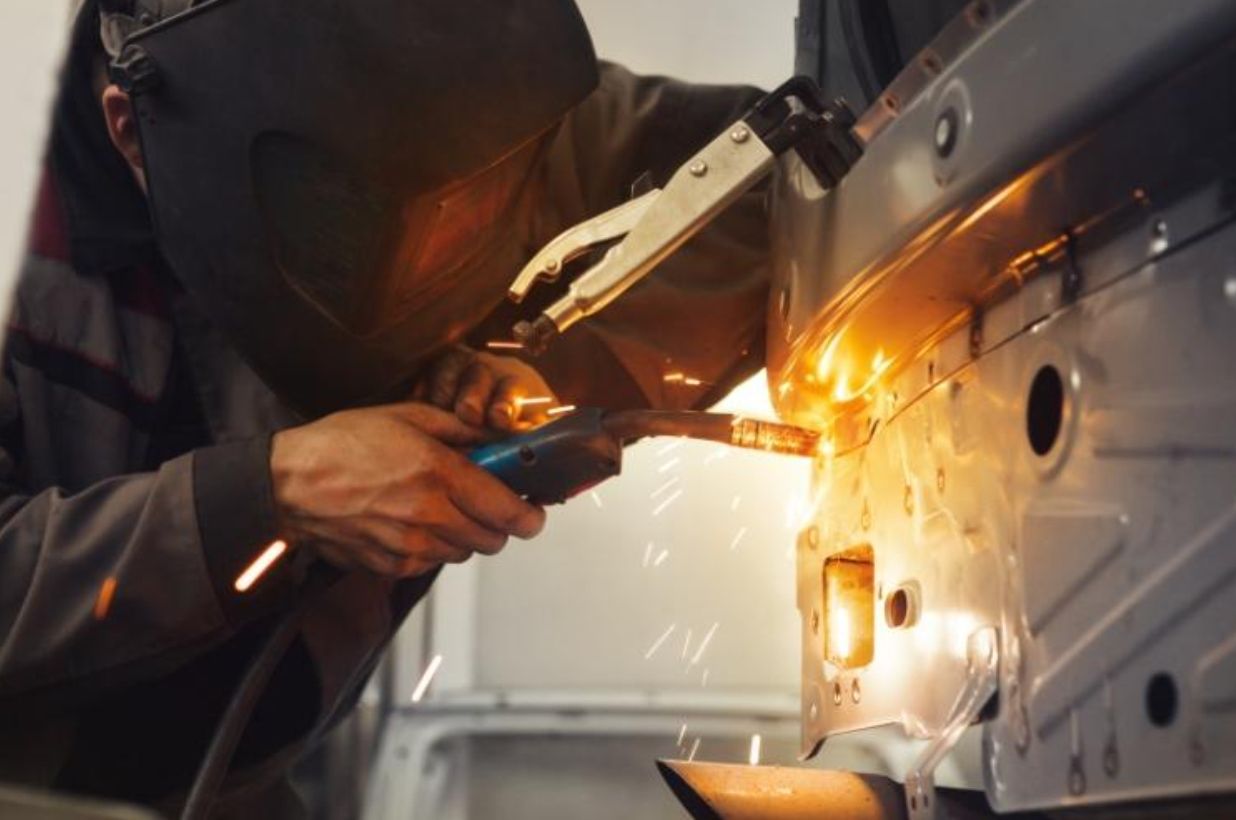
Metal Inert Gas (MIG) welding is popular in automotive restoration because it's relatively straightforward to operate and joins metal efficiently. Technicians commonly use it to repair steel body panels, replace damaged floor sections, and fabricate replacement components.
MIG welding is especially useful for projects with many joints or larger repair areas. However, thin automotive sheet metal requires careful heat control to prevent warping, burn-through, and unnecessary damage to surrounding surfaces.
TIG Welding For Precision And Custom Fabrication
Tungsten Inert Gas (TIG) welding provides greater control over the welding process, making it suitable for detailed fabrication work. Restoration specialists often choose this technique for aluminum, stainless steel, or components that require precise weld placement.
TIG welding is especially valuable when creating custom exhaust components, repairing certain aluminum parts, or producing visible welds where appearance matters. Although it generally requires more experience and preparation, the process lets skilled technicians produce clean, precisely controlled joints.
Repairing Rust and Corrosion Damage
Rust removal represents one of the most demanding stages of restoring older vehicles. Corrosion can spread beneath paint, interior carpeting, and protective coatings, making it hard to identify its full extent during an initial inspection.
Technicians must remove affected metal completely before installing correctly shaped replacement sections. Welding new panels over severely corroded material can leave underlying damage unresolved and compromise the repair.
Proper preparation also includes cleaning surrounding metal, checking panel alignment, and protecting nearby components from heat. After welding, technicians typically grind or finish appropriate joints, apply corrosion protection, and prepare repaired surfaces for painting.
The objective is to create a durable repair that blends naturally with the vehicle's original construction. Careful workmanship can also reduce the amount of body filler needed during finishing.
Restoring Vehicle Frames And Structural Components
A classic vehicle's frame or unibody structure provides the foundation for safe handling, suspension alignment, and overall stability. Damage to these components can affect how the vehicle responds during acceleration, braking, and cornering.
Structural welding demands accurate measurements, appropriate materials, and a clear understanding of load-bearing components. Restoration professionals must also consider whether the vehicle uses traditional body-on-frame construction or an integrated unibody design.
Improper structural repairs can create weak points or change how forces travel through the vehicle. For this reason, critical frame repairs should follow suitable manufacturer guidance and be performed by qualified professionals using appropriate equipment.
How Welding Supports Vehicle Customization
Welding is equally important for enthusiasts who want to personalize their vehicles rather than restore them to factory specifications. Custom automotive projects frequently involve modifying existing metal components or fabricating entirely new parts.
For example, builders may create custom exhaust systems, modify body panels, install specialized mounting brackets, or fabricate components for performance upgrades. These changes let owners build vehicles that reflect their preferences while staying practical.
Custom fabrication also lets owners combine classic styling with selected modern technologies. Many restomod projects incorporate upgraded suspension systems, improved braking components, and contemporary powertrains within vintage vehicle designs.
However, modifications involving structural components, steering, suspension, or safety systems require careful engineering. Visually appealing modifications must also withstand the mechanical stresses of normal driving.
The Importance Of Welding Safety In Automotive Workshops
Welding involves intense heat, ultraviolet radiation, sparks, and potentially hazardous fumes, making protective equipment essential during restoration projects. According to the Occupational Safety and Health Administration, appropriate protective equipment and safe working practices help reduce these hazards.
A suitable welding helmet protects the face and eyes from intense arc radiation and flying sparks. Automotive enthusiasts can explore different helmet options through ridgeproductswelding.com, including equipment designed for welding applications.
Workshops should also provide effective ventilation, flame-resistant clothing, protective gloves, and appropriate fire-safety equipment. Technicians must inspect surrounding areas for combustible materials and take appropriate precautions around fuel systems before beginning welding work.
Preserving Authenticity During Classic Car Restoration
One of the greatest challenges in classic car restoration involves balancing historical accuracy with modern repair techniques. Collectors often value vehicles that retain their original construction methods, body proportions, and distinctive factory details.
Experienced restoration specialists therefore aim to preserve original metal whenever practical, rather than unnecessarily replacing entire sections. They may fabricate replacement panels that closely match factory contours, carefully reproduce original joints, and finish repairs to maintain the vehicle's authentic appearance.
This attention to detail matters most when restoring rare or historically significant vehicles. High-quality welding helps preserve their character while addressing the deterioration that naturally occurs over time.
Conclusion
Welding remains a fundamental skill in classic car restoration and vehicle customization, supporting everything from corrosion repairs to specialized metal fabrication. Different welding techniques allow technicians to restore damaged components, improve structural integrity, and create personalized modifications.
Successful projects depend on careful planning, technical expertise, the right equipment, and a commitment to safety. By combining traditional craftsmanship with modern welding methods, enthusiasts can preserve historic vehicles while adapting them for future generations.