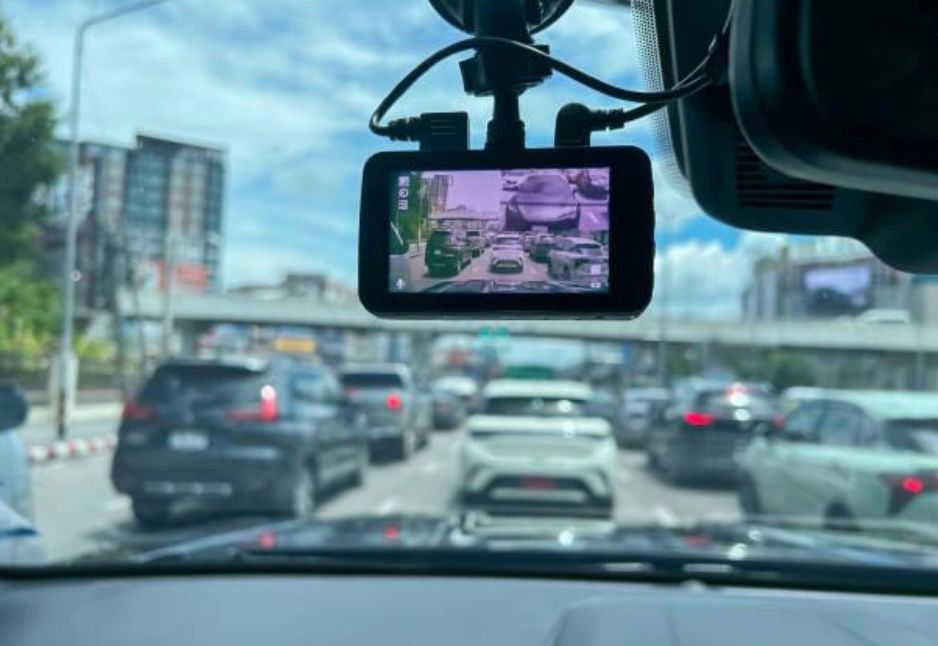
Dashcam footage can play a valuable role in car accident claims by providing a real-time record of what happened before, during, and after a crash. In many situations, video evidence helps clarify disputed facts and supports a more accurate investigation.
Chicago is one of the largest cities in the United States and experiences heavy traffic throughout the year. With busy highways, congested intersections, and a large number of daily commuters, car accidents are a common concern for drivers across the city.
A Chicago accident lawyer may use dashcam footage as part of the evidence presented in a claim. When available, video recordings can help establish fault, support witness testimony, and strengthen a case during settlement negotiations or litigation.
Why Dashcam Footage Matters?
After a collision, drivers often have different versions of what happened. Witnesses may remember events differently, and physical evidence alone may not tell the entire story.
Dashcam footage provides an objective record of the incident. It can capture vehicle positions, traffic conditions, road signs, weather conditions, and driver behavior leading up to the crash.
This additional context can help insurance companies and attorneys better understand how the accident occurred. It may also help resolve disagreements when witness accounts conflict.
How Dashcam Footage Can Help Prove Fault
One of the biggest challenges in many accident claims is determining liability. When two parties disagree about who caused the collision, video evidence may help resolve the dispute.
For example, a dashcam may show a driver running a red light, failing to yield, or following another vehicle too closely. These details can help establish negligence and support a claim for damages.
Video evidence can also confirm the sequence of events before impact. This information is often useful when reconstructing an accident.
Supporting Insurance Claims
Insurance companies investigate accident claims carefully before offering compensation. They typically review police reports, photographs, witness statements, and medical records.
Dashcam footage can provide another layer of evidence. In some cases, it helps insurers process claims more efficiently because key facts are already documented on video.
When evidence is clear, disputes may be resolved more quickly. This can help streamline the claims process for everyone involved.
Can Dashcam Footage Be Used in Court?
Dashcam footage may be admissible in court if it meets applicable evidentiary requirements. Courts generally consider factors such as authenticity, relevance, and whether the footage accurately represents the events recorded.
Properly preserved video can become an important part of a legal case. It may be used alongside witness testimony and other evidence presented during litigation.
Because legal rules can vary depending on the circumstances, proper handling of video evidence is important. Preserving the original recording can help avoid questions about authenticity.
Best Practices After an Accident
If a dashcam recorded a collision, save the footage as soon as possible. Backing up the file can help prevent accidental deletion or data loss.
It is also helpful to preserve the original recording whenever possible. Maintaining the integrity of the footage may strengthen its value as evidence later.
Drivers should also provide copies to their attorney or insurance company when appropriate. Acting quickly can help protect important evidence.
Key Takeaways
Dashcam footage can provide valuable evidence after a car accident.
Video recordings may help establish fault and support injury claims.
Illinois comparative negligence rules can affect compensation.
Dashcam footage can strengthen insurance investigations.
Properly preserved recordings may be used in court.
Video evidence can help resolve disputes more efficiently.
Saving footage quickly is important after an accident.