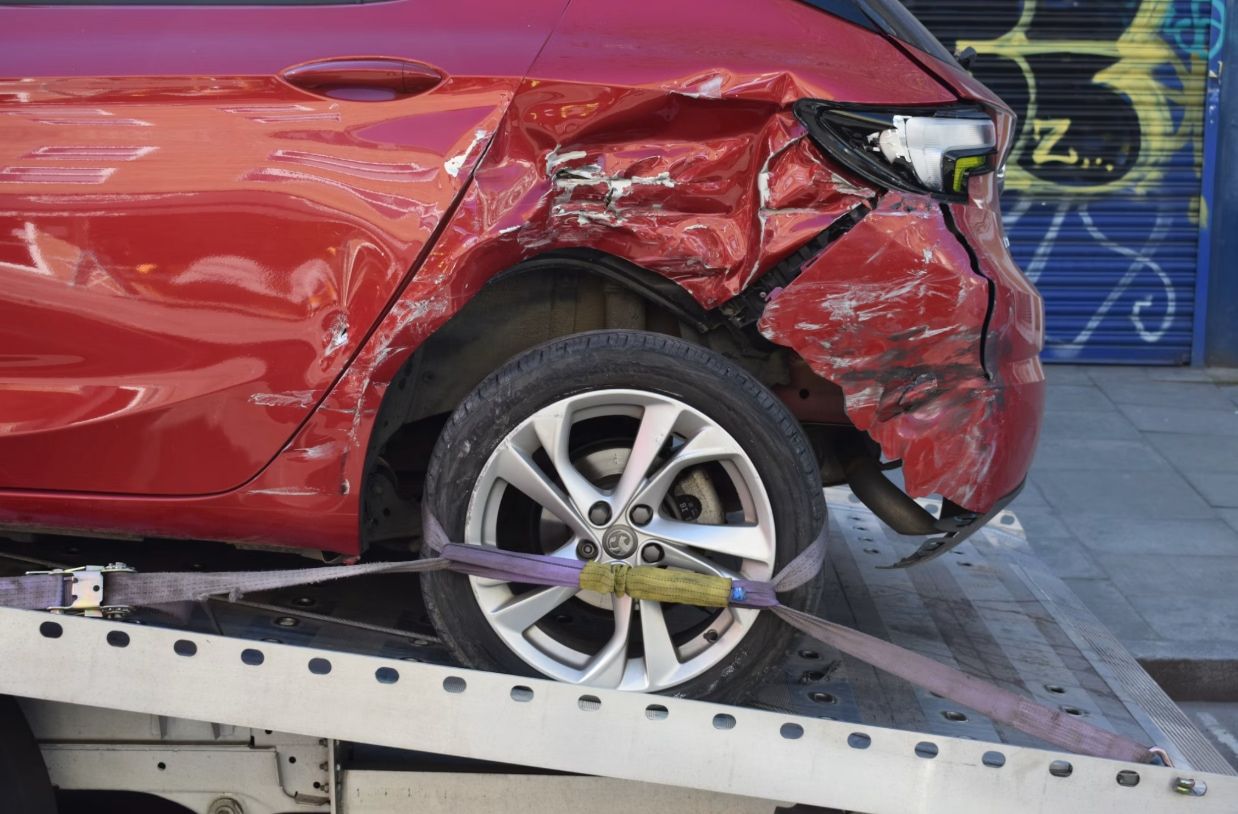
One insurance decision could cost you thousands of dollars: your vehicle could be declared a total loss even when it looks repairable. Worse, an insurer’s decision may come down to figures you haven’t seen or calculations you don’t fully understand. Repair estimates, salvage value, pre-accident market prices, and state-specific rules all influence whether your car is worth fixing or writing off. Understanding how insurers arrive at that decision is critical. Without the right information, you risk accepting a settlement that undervalues your vehicle or missing an opportunity to challenge the total-loss assessment.
Understanding the Total Loss Threshold
A total loss threshold compares the vehicle’s value before the collision with the expected cost of returning it to safe operating condition. Some states set a percentage threshold, while others use a total loss formula that includes repair costs and salvage value. This overview of Ohio total loss calculations shows how local rules can affect the result.
Suppose a vehicle had an actual cash value of \$15,000 before a collision. If the applicable threshold is 75%, estimated repairs of \$11,250 may trigger a total-loss decision. Taxes, fees, and hidden damage can also influence the final calculation.
How Salvage Values Shift the Math
Salvage value is the amount an insurer expects to recover by selling the damaged vehicle. A higher expected return can make declaring a total loss more financially attractive, even when the initial repair estimate sits close to the threshold.
Consider a vehicle valued at \$18,000 with \$11,000 in estimated repairs. If its salvage value is \$7,500, the combined figures may exceed its pre-collision value under a total loss formula. Demand for usable parts, vehicle age, model popularity, and regional auction results can all change this estimate. Ask the adjuster for the salvage figure and how it was calculated. A vague number deserves a documented explanation.
Finding an Accurate Assessment Team
The repair estimate is one of the most influential numbers in the claim, so choose a facility that can document structural, mechanical, and cosmetic damage. If you’re searching for an auto body shop near me in Lancaster, look for computerized measuring, factory repair procedures, and a clear estimating process.
Ask whether the assessment includes scans, measurements, labor rates, parts, and required calibrations. Photos should support each major repair item. An initial estimate may rise after damaged panels are removed, since hidden structural issues often appear during disassembly. Share any revised estimate with the adjuster promptly because added costs could change the insurer’s decision.
Navigating Insurance Payout Benchmarks
An insurer generally bases its payout on actual cash value, which reflects the vehicle immediately before the loss. Mileage, trim, options, prior condition, and comparable local listings can affect that benchmark. A clear explanation of how insurers calculate total-loss thresholds and actual cash value can help you distinguish the insurer’s valuation from the amount originally paid for the vehicle.
Request the full valuation report and check the vehicle identification details, mileage, and installed options. Look closely at comparable vehicles. A base trim with higher mileage may understate the value of a well-equipped example. Submit maintenance records, recent receipts, and nearby listings when the report contains errors or weak comparisons.
Retaining Market Value After Major Work
A repaired vehicle may carry lower resale value because its history now includes major damage. Quality documentation can limit that effect. Keep the final invoice, alignment readings, structural measurements, scan reports, and parts information together. These records show future buyers what work was completed and which procedures were followed.
Inspect the vehicle before accepting it. Confirm that panel gaps are even, paint color matches under daylight, and warning indicators remain off. You should also test driver-assistance features named in the repair paperwork. If your state and policy allow a diminished-value claim, gather local sales comparisons and consider an independent appraisal.
The most useful claim file is one that connects every number to evidence. Repair measurements, accurate vehicle options, and realistic comparable listings give you specific grounds for questioning a threshold calculation or payout.