A clean body and glossy tires can help a vehicle make a strong first impression, but long-term resale value often depends on what buyers can’t see. Engine performance, transmission condition, and maintenance history influence how much risk a used vehicle appears to carry. Drivers who protect those areas throughout ownership are more likely to avoid costly repairs and defend their asking price when it’s time to sell or trade.
Why Residual Value Matters to Everyday Drivers
Residual value is the estimated amount a vehicle will retain after several years of use. It affects more than the eventual sale price. A stronger residual value can lower the true cost of ownership because you recover more of the original purchase price.
Several factors can shape resale value, including condition, service history, model demand, and accident records. Depreciation still occurs, but owners can control its pace. A vehicle with receipts, consistent service intervals, and no unresolved warning lights presents less uncertainty to its next owner.
Powertrain Health Over Surface Shine
Buyers may notice faded paint, but they’re more likely to walk away from rough shifting, fluid leaks, or unusual engine noise. Powertrain problems can lead to large repair bills, so even minor symptoms can weaken a seller’s position.
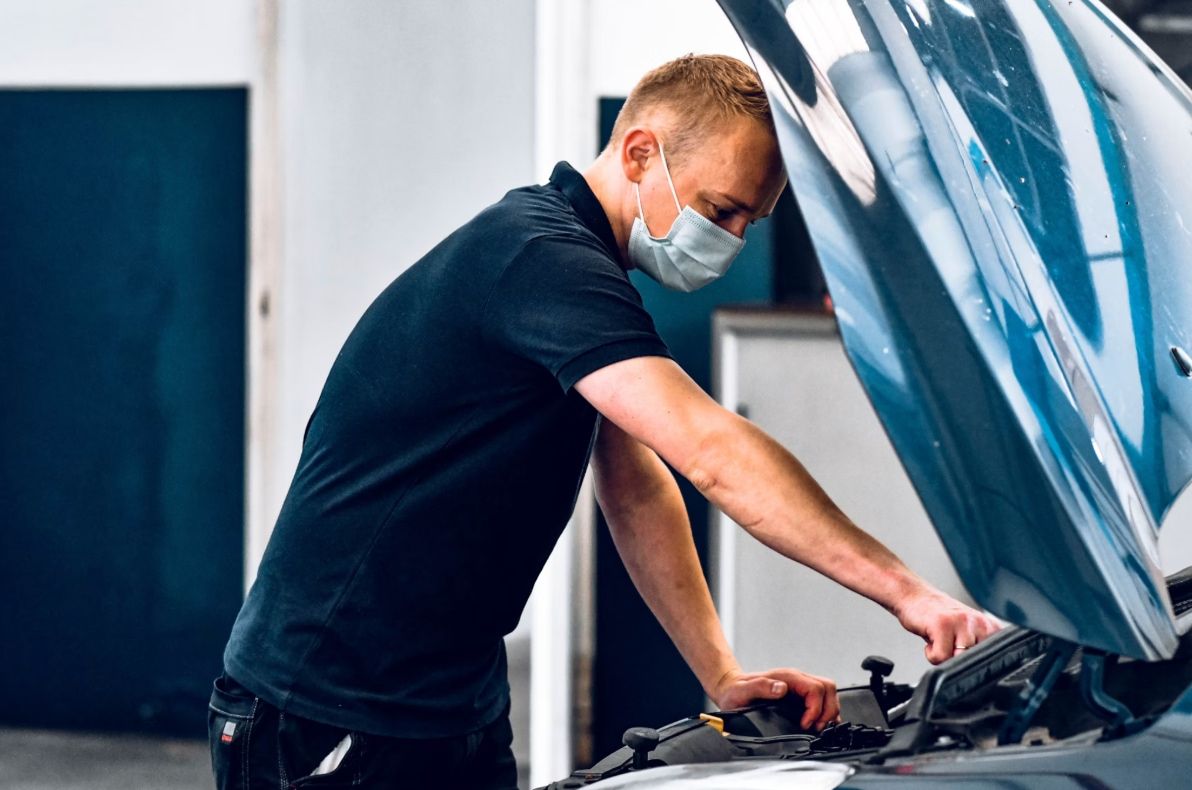
Follow the maintenance schedule in the owner’s manual and address new sounds or performance changes promptly. Drivers near Madison Heights who need preventative maintenance, transmission service, or electrical diagnostics can review chromeautorepair.com for a local service option. Keep every invoice afterward. A documented repair shows you responded to a problem instead of letting it affect other components.
Mileage also needs context. Guidance on mileage and resale value shows why buyers consider both the odometer reading and the way those miles accumulated.
Avoiding the Post-Warranty Depreciation Cliff
A vehicle can lose buyer appeal quickly once its factory coverage expires, especially if several maintenance items are due at the same time. Imagine a five-year-old SUV approaching 70,000 miles with worn brakes, aging tires, and overdue fluid service. A prospective buyer may subtract the expected cost of every item from an offer, then add a cushion for unknown problems.
Review upcoming service needs six to twelve months before warranty coverage ends. Ask a qualified technician to check for leaks, battery weakness, uneven tire wear, and stored diagnostic codes. Completing necessary work in stages can make expenses easier to manage while preventing a backlog that becomes obvious during a pre-purchase inspection.
How Inspection Reports Shift Negotiation Power
An inspection report turns general claims such as “well maintained” into evidence. It can document fluid condition, brake wear, tire tread, and the absence of active warning codes. That detail helps private buyers judge the vehicle on its current condition instead of assuming the worst.
Schedule an inspection shortly before listing the vehicle. If the report finds a manageable issue, repair it or disclose it clearly and price the vehicle accordingly. Bring the report, service receipts, and recall records to the sale. A buyer may still negotiate, but documented condition gives you a sound basis for rejecting an offer built on vague concerns. Trade-in shoppers can use the same records when asking a dealer to reconsider an initial appraisal.
Protecting Your Asset Long Before Trading In
Start a vehicle file on the day you take ownership. Save dated receipts for oil changes, filters, brake service, tires, and diagnostic work. Digital copies help because thermal paper receipts can fade long before you sell the vehicle.
Watch for small mechanical changes between scheduled visits. A delayed start, new vibration, or drop in fuel economy may signal a developing issue. Early diagnosis often limits the repair and preserves a clean ownership record. Understanding the role of foreign exchange rates in the global automotive market can also provide useful context when evaluating how currency fluctuations affect vehicle prices and resale values. Keep the interior dry, wash road residue from the exterior, and repair small chips before corrosion spreads, but don’t let cosmetic work replace mechanical care.
When it's time to trade in, a thick folder of organized records can answer the buyer’s biggest question: what happened to the vehicle before it reached the listing.