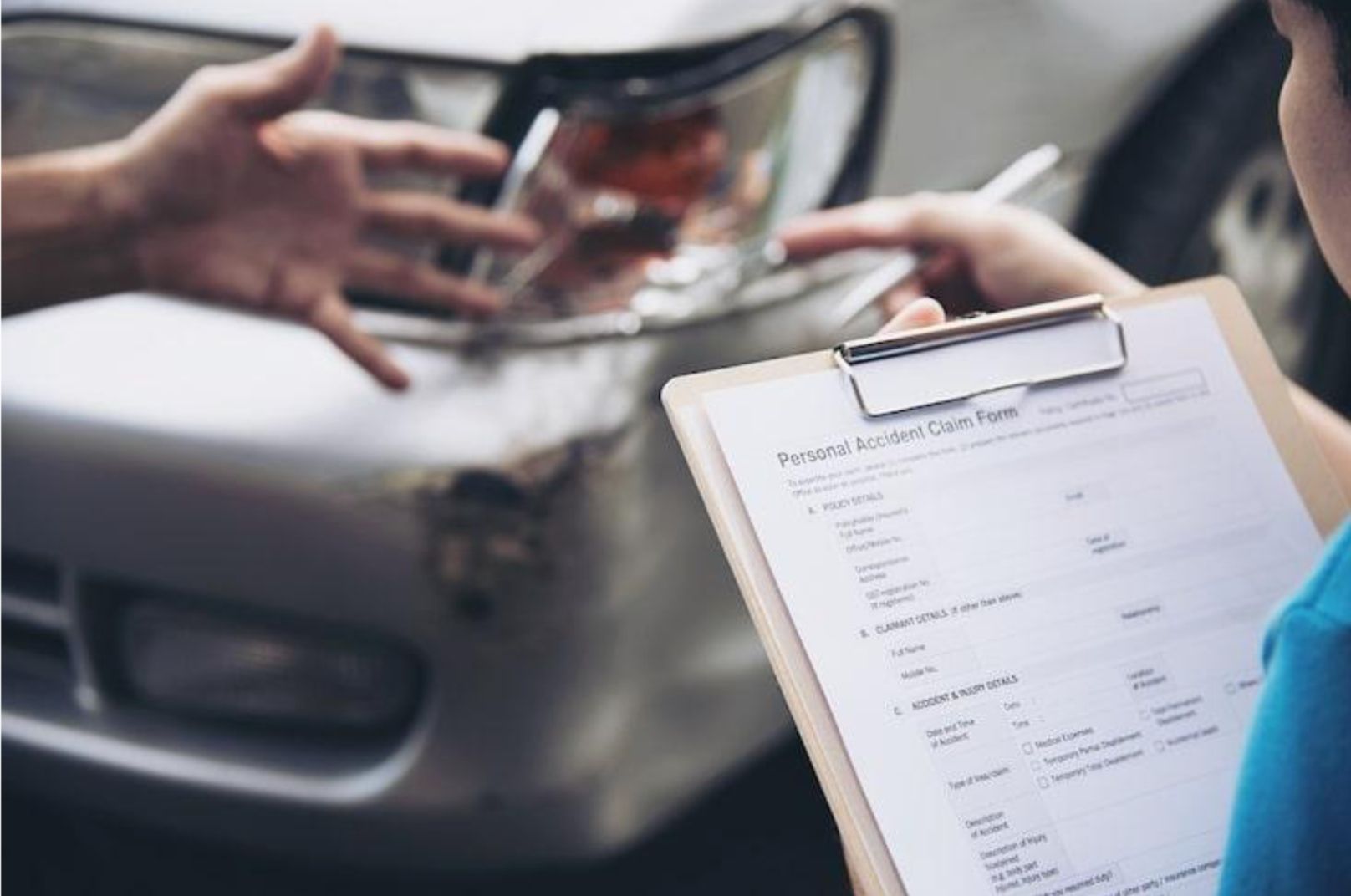
Small details at a car accident scene can significantly affect an injury claim by helping establish how the collision occurred, who was responsible, and how the injuries developed. Photographs, vehicle positions, road conditions, witness accounts, and visible damage may become important evidence when an insurance company disputes liability or questions the extent of an injury. Preserving these details early can help an injured person build a clearer and more credible claim.
Chicago has a dense network of city streets, busy intersections, expressways, and heavily traveled commuter routes. Traffic congestion, construction zones, changing weather, and interactions among cars, cyclists, and pedestrians can make collision scenes complicated.
For injured people navigating insurance claims in this environment, a compassionate car accident attorney in Chicago, IL can help assess the available evidence and explain how specific scene details may influence compensation.
Vehicle Positions Can Help Explain How the Crash Happened
The final positions of vehicles may provide useful clues about the direction of impact, the movement of each vehicle, and the sequence of events. Photographs showing where cars stopped, the location of debris, and nearby traffic signals can help investigators reconstruct a collision.
Moving a vehicle may be necessary to protect people or clear traffic, but taking photographs first is useful when it is safe to do so. Drivers should never put themselves in danger to preserve evidence. Dashcam footage, nearby surveillance recordings, and police documentation may help fill gaps when the original scene changes quickly.
Road and Weather Conditions Can Affect Liability
Wet pavement, snow, ice, potholes, obstructed signs, and poor lighting can all influence how a collision occurs. Recording these conditions may help explain why a driver lost control, failed to stop, or did not see another road user in time.
Weather alone does not automatically excuse a driver's conduct. Drivers are generally expected to adjust their speed and driving behavior to the conditions. In Illinois, the state's Vehicle Code includes rules requiring drivers to operate at a speed that is reasonable and proper for existing conditions. Evidence of road conditions can therefore help clarify whether a driver acted reasonably under the circumstances.
Witness Statements Can Preserve Important Details
Independent witnesses may remember details that the drivers did not notice during the collision. They might have seen a vehicle run a red light, change lanes abruptly, or travel at an unsafe speed. Getting names and contact information can help ensure investigators can follow up later.
Witness recollections can fade or differ over time, so prompt documentation may be valuable. However, injured people should avoid pressuring witnesses or trying to coordinate their accounts. Each witness should provide an independent description of what they observed.
Visible Damage and Injury Records Can Support the Claim
Photographs of vehicle damage may help show where the impact occurred and how the vehicles interacted. They do not, by themselves, establish the severity of someone's injuries, but they can contribute to the broader investigation.
Medical attention is equally important. Some injuries, including soft-tissue damage and symptoms associated with head trauma, may not be immediately apparent. Seeking timely medical evaluation helps protect health and creates records documenting symptoms, diagnoses, and treatment. Anyone who develops new or worsening symptoms after a collision should contact a healthcare professional promptly.
Preserving Evidence Helps Address Insurance Disputes
Insurance companies may examine scene photographs, repair estimates, medical records, police reports, and witness statements when evaluating a claim. Missing evidence can make it harder to establish what happened, while inconsistent statements may create questions about liability or the connection between the crash and an injury.
Illinois follows a modified comparative negligence system under 735 ILCS 5/2-1116. In general, an injured person may recover damages if their contributory fault is not more than 50%, with compensation reduced according to their share of fault. This makes accurate evidence particularly important when responsibility is disputed.
Key Takeaways
Vehicle positions, debris, and traffic signals can help reconstruct a collision.
Road conditions and weather may help explain how the crash occurred.
Independent witness details can preserve important observations.
Photographs and timely medical records may help support an injury claim.
Under Illinois comparative negligence rules, evidence of fault can directly affect compensation.