
A rental in Zimbabwe advertised from around $58 a day is a real price, but it is a starting price. Fuel at roughly $1.57 a litre, an insurance excess you may not have read, and the paperwork you need at a roadblock all sit outside that headline figure. Drivers who price those 3 items before booking rarely get a surprise on the invoice.
Start With the Side of the Road
Zimbabwe drives on the left. For visitors arriving from continental Europe, the Americas or most of Asia, that is the single largest adjustment.
The steering wheel sits on the right and gear changes happen with the left hand. Roundabouts, overtaking and judging the near-side kerb all take a day to feel normal.
Collecting the car in a quieter area rather than central Harare at rush hour is a sensible first move.
Licence and Permit
The documentation rule is easier than travellers expect but worth confirming.
An International Driving Permit is not strictly required where your licence is issued in English, though it is widely recommended. It smooths interactions with officials and makes cross-border travel simpler.
Anyone comparing cheap car rentals harare should therefore check what the individual supplier demands rather than relying on the general rule, since rental companies set their own document requirements on top of the law.
Vehicles can usually be collected at the main airports, including Harare, Victoria Falls and Bulawayo, which makes a one-way itinerary across the country practical.
What the Daily Rate Leaves Out
Three costs sit outside the advertised figure, and all 3 are avoidable surprises.
Fuel. Petrol runs about $1.57 per litre, close to $5.94 per gallon, and it is charged to you on return.
Insurance excess. Collision damage waiver, theft protection and liability cover are usually offered separately, each with its own deductible.
One-way and cross-border fees. Dropping a vehicle at a different airport, or taking it into a neighbouring country, is normally chargeable and sometimes prohibited.
Ask for the excess figure in writing. A low daily rate paired with a high deductible is not a cheap rental, it is a deferred one.
Roads Are Better Than the Reputation, With Caveats
Zimbabwe’s main highways are generally in good condition, and the trunk routes out of Harare are perfectly manageable in a standard car.
The picture changes off the tarmac. Rural roads and routes through wildlife reserves can be rough or unpaved, which is where ground clearance and tyre condition start to matter more than engine size.
Filling stations are not evenly spread. In remote areas they may be absent for long stretches, so the practical rule is to refuel at half a tank rather than at a quarter.
Roadblocks Are Routine
Police checkpoints are a normal part of driving in Zimbabwe and not a sign that something is wrong.
Keep the licence, the permit if you carry one, and the rental agreement together and reachable without unpacking the boot. Present them promptly and stay polite, and the stop is usually brief.
Ask the rental company for a copy of the vehicle’s registration and insurance documents at handover, since a checkpoint may ask for the car’s papers rather than only yours.
Which Vehicle to Book
The itinerary decides this more than the price list.
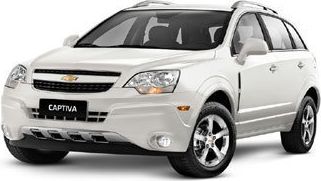
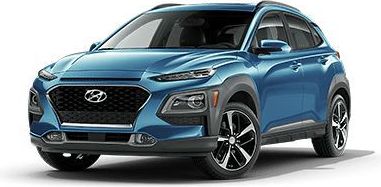
A compact car is fine for Harare and the paved trunk roads, and it is the cheapest to fuel at $1.57 a litre. A high-clearance vehicle earns its premium the moment gravel, game-park tracks or the rainy season enter the plan.
For a trip combining the capital with Victoria Falls or Hwange, the extra clearance is usually the better bet, and the one-way airport network makes that structure workable.
Key Takeaways
The cheap rate is genuine, and the total is what deserves attention.
Rentals start near $58 per day, with fuel around $1.57 per litre on top.
Driving is on the left, so allow a day to adapt before a long leg.
An IDP is not strictly required for English-language licences but is recommended, and suppliers may demand one regardless.
Main highways are good; rural and reserve roads can be unpaved, and filling stations thin out in remote areas.
Roadblocks are routine, so carry your licence, the rental agreement and the vehicle’s papers together.
Collection is available at Harare, Victoria Falls and Bulawayo airports, which supports one-way routes.
Confirm the insurance excess, the fuel policy and the one-way fee before you accept a quote, and match the vehicle to the worst road on your route rather than the best.