
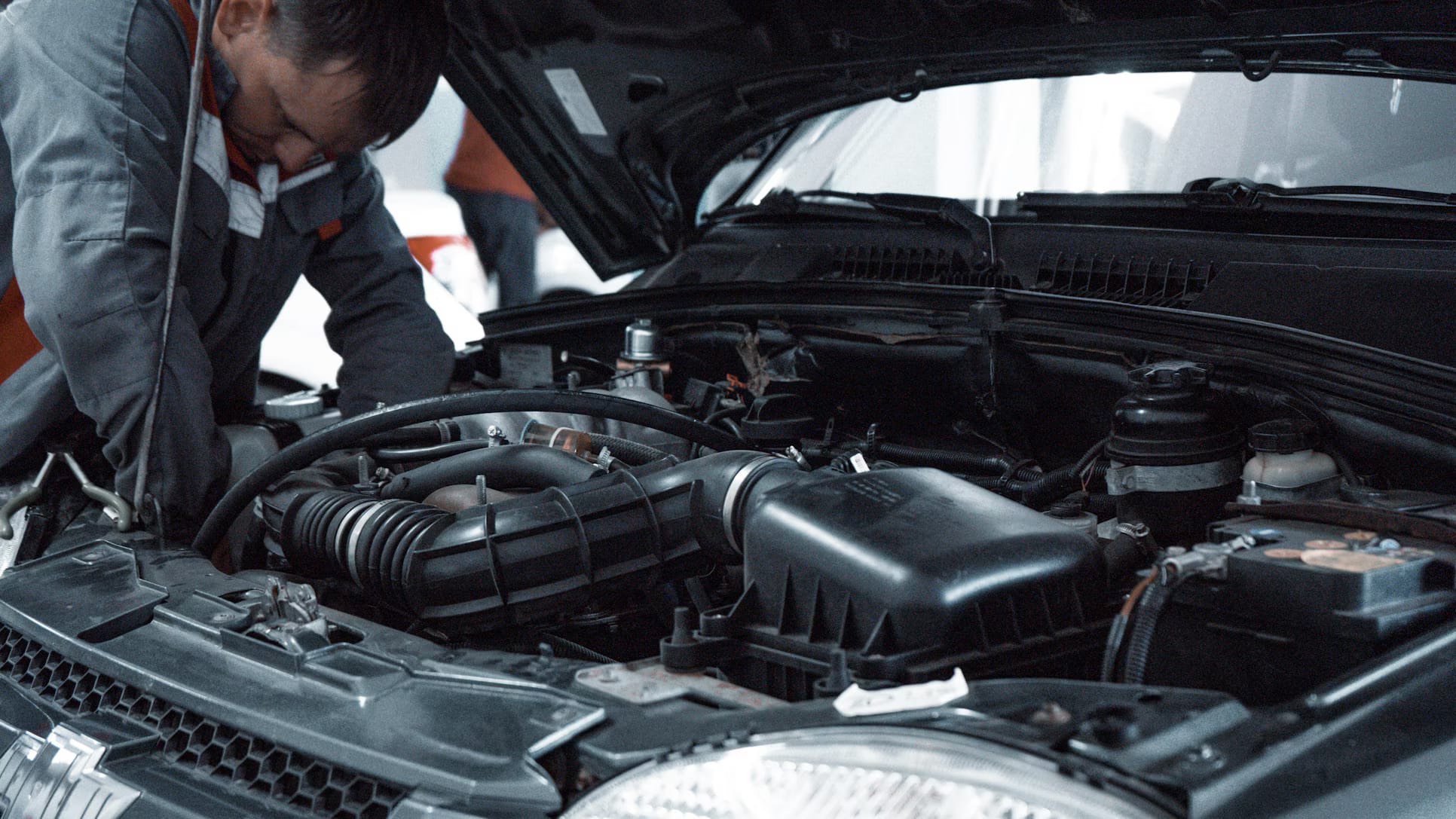
Routine car maintenance costs far less than the mechanical problems that develop when basic service keeps getting postponed. A delayed oil change may seem harmless when the car still runs normally, but worn fluids and filters can quietly increase friction, reduce efficiency and shorten component life. Following the manufacturer’s maintenance schedule also creates a service history that can support warranty claims and reassure a future buyer. The financial effect becomes clearer when repair costs, fuel use and resale value are considered together.
Maintenance Delays and Residual Value
A complete service record can raise buyer confidence when you sell or trade in a vehicle. Receipts for oil changes, tire rotations and inspections show that the car received regular attention. Missing records create uncertainty, which may lead a dealer to lower the trade-in offer or a private buyer to negotiate more aggressively.
Deferred maintenance also becomes visible during an inspection. Uneven tire wear can suggest skipped rotations or alignment problems, while dark fluid and warning lights may indicate longer-term neglect. Keep digital or paper copies of every invoice and record the date, mileage and work performed. Even if you plan to keep the car for years, organized records help technicians identify recurring issues without repeating unnecessary services.
Engine Wear by the Numbers
Engine oil reduces friction, carries away heat and suspends contaminants until the filter captures them. As oil ages, its protective additives break down. Sludge can form and narrow the small passages that deliver oil to critical engine parts. A service that costs well under a major repair can prevent damage measured in thousands of dollars.
The correct interval depends on the model, oil specification and driving conditions. Frequent short trips, heavy traffic and extreme temperatures may place more stress on oil than steady highway driving. Check the owner’s manual instead of relying on a universal mileage rule. Proper tire pressure, clean filters and suitable motor oil can also support better fuel economy, reducing operating costs over thousands of miles.
Evaluating Local Service Options
Start with technicians who can follow the service requirements for your specific make and model. Ask whether the shop uses the correct oil grade, documents inspection results and provides written estimates before beginning extra work. Clear explanations matter because a good service visit should tell you what needs attention now and what can wait.
Chevrolet owners asking where should I get an oil change? can consider a professional service department that works with their vehicle type and offers online scheduling. Before booking, compare available appointment times, posted service details and recordkeeping practices. Avoid choosing on price alone. An unusually low quote may exclude a filter, inspection or required quantity of oil, so confirm exactly what the stated price covers.
The Compounding Cost of Neglect
Maintenance problems often spread from one component to another. Low oil can increase engine wear, underinflated tires can reduce efficiency and worn brake parts can damage more expensive components. A small fluid leak may also contaminate belts or hoses if it remains unresolved. The longer the delay, the greater the chance that one manageable service becomes several connected repairs.
Create a simple monthly routine: check tire pressure, inspect fluid levels and look beneath the parked car for fresh spots. Respond to warning lights promptly and schedule unusual sounds or vibrations for diagnosis. Set aside a modest maintenance amount each month so scheduled work doesn’t compete with other bills. The most useful first step is specific: check your current mileage against the owner’s manual and book any overdue service before another driving cycle adds to the bill.