
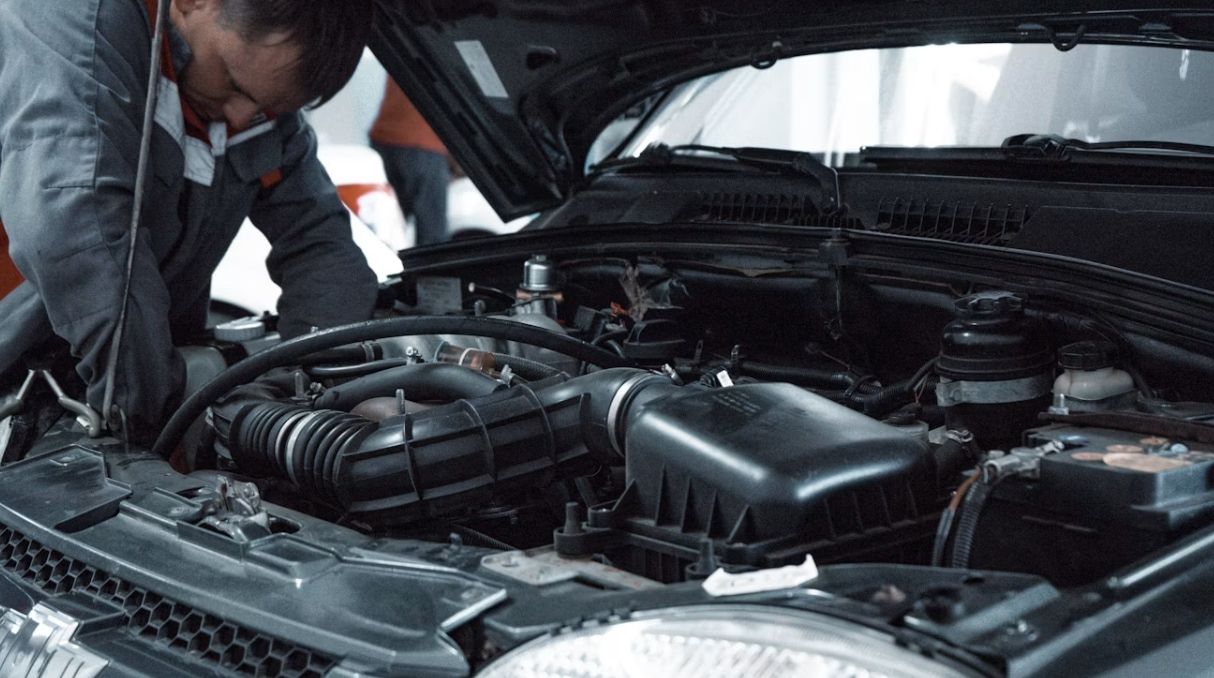
Keeping your car running smoothly for years is easier than ever. Modern vehicles are built to last, but they're not invincible. The secret to a long, trouble-free life for your car is consistent, routine maintenance. Staying on top of these regular services stops small issues from becoming major, expensive problems down the road.
Decode Your Owner's Manual
Your car came with the ultimate guide for its own care: the owner's manual. Tucked away in your glove compartment, this book tells you exactly when the manufacturer recommends servicing different parts. It lays out the perfect times for everything from oil changes to timing belt replacements, based on mileage and how long you've had the car.
Following this schedule is the best thing you can do for your vehicle's health. Manufacturers design these plans to maximize your car's performance and help it last. While a mechanic might suggest a different timeline, the manual gives you the official baseline from the people who built your car. If you've lost your physical copy, most carmakers have digital versions on their websites that are easy to find.
Finding a Trustworthy Mechanic
Unless you're doing repairs yourself, your relationship with a mechanic is one of the most important things for your car's lifespan. A great auto shop does more than fix what's broken; they partner with you to care for your car before problems start. Look for a place with certified technicians (like ASE certification) and a clean, organized workspace. What people say and online reviews can also tell you a lot about a shop's reputation for honesty and quality work.
When you find a good shop, try to stick with them. A mechanic who knows your vehicle's history can spot developing issues more easily. Shops that talk clearly and treat customers with respect, like a local Reliable Automotive Repair center, build the trust needed for a long-term partnership. They should be happy to explain what needs doing, why it's necessary, and give you a clear estimate before they start any work.
Key Maintenance Tasks You Shouldn't Ignore
While your owner's manual is your main guide, a few key services are always critical for your car's health. Consistently taking care of these items is essential to making your car last for many years and miles.
- Oil and Filter Changes: Engine oil is your vehicle's lifeblood. It lubricates moving parts, reduces friction, and helps carry away heat. Over time, it breaks down and collects dirt. You absolutely must change it regularly according to your manual's schedule.
- Tire Rotation and Pressure Checks: Rotating your tires ensures even wear, which makes them last longer and improves handling. Proper inflation is just as important for safety, fuel economy, and tire life. Check your tire pressure every month.
- Brake System Inspection: Your brakes are your most important safety feature. Have them checked regularly for pad and rotor wear and fluid levels. Don't wait until you hear grinding or squealing.
- Fluid Checks: Your car uses several fluids besides oil, including coolant, transmission fluid, brake fluid, and power steering fluid. Check these and top them off or replace them as needed.
How Your Driving Habits Make a Difference
Maintenance isn't just about what happens at the service bay; it's also about how you drive. Your daily driving style significantly affects how quickly parts wear out. Driving aggressively with hard acceleration and sudden braking puts extra stress on the engine, transmission, brakes, and suspension.
Driving more smoothly can make a big difference. Simple changes, like accelerating gently from a stop and looking ahead in traffic to coast more and brake less, reduce wear and tear. It's also smart to let your engine warm up for 30-60 seconds before driving off, especially in colder weather. These small adjustments, combined with regular maintenance, are powerful tips for vehicle longevity and can help you save money on both fuel and future repairs.
Taking a proactive approach to your car's health doesn't mean you need to become a master mechanic. By following your manual, choosing a reliable service partner, and being mindful behind the wheel, you give your vehicle the best possible chance at a long, dependable life.