Small chips, light scratches and hazy glass can lower a used car’s value before an appraiser examines its mechanical condition. Buyers tend to interpret visible flaws as signs of weak maintenance, even when the vehicle runs well. That perception can reduce an offer or give a dealer more room to negotiate.
Inspecting and repairing automotive glass before a sale helps present the vehicle as cared for and ready for its next owner.
First Impressions Dictate Appraisals
A vehicle appraisal starts with basic facts such as age, mileage, trim and service history. Physical condition then helps determine where the car falls within its expected value range. A clean windshield supports a stronger first impression, while a prominent chip immediately draws attention to a pending expense.
Exterior appearance can influence resale value because buyers often connect cosmetic condition with overall care. Research on car appearance and resale value explains how visible deterioration can affect buyer confidence and pricing.
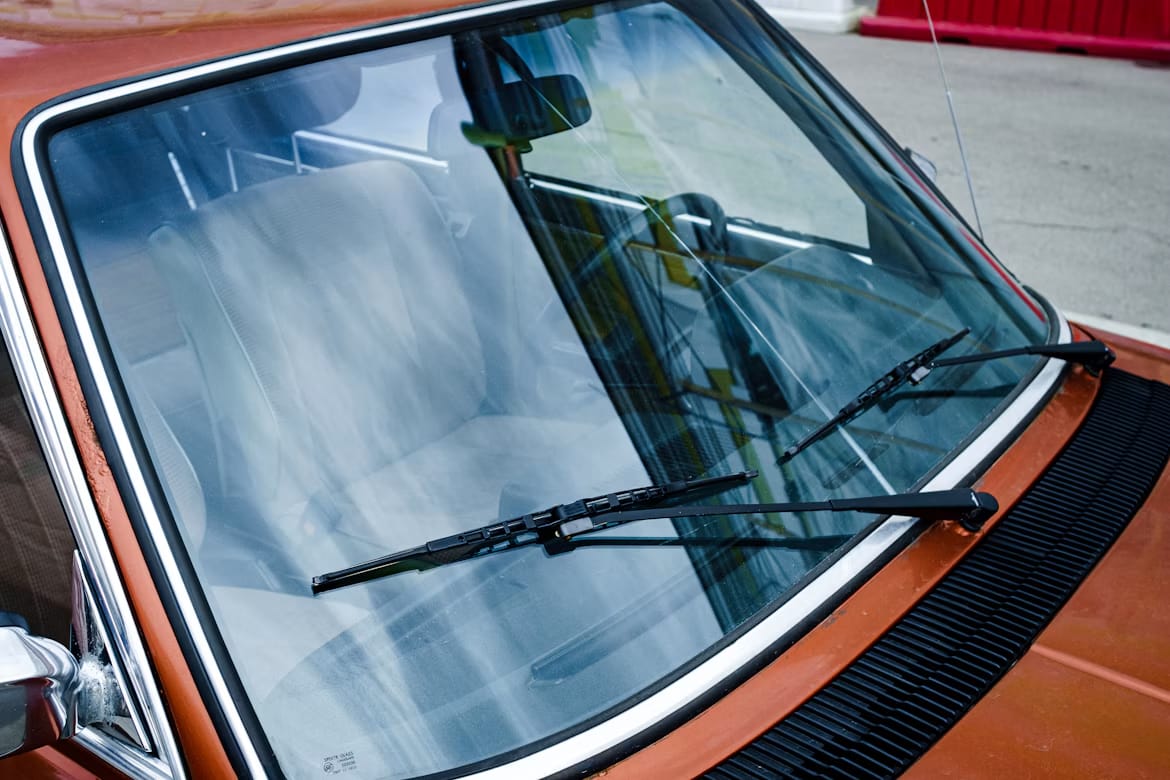
Check the windshield from inside and outside in daylight. Look for chips near the edges, fine scratches in the driver’s viewing area and cloudy patches that cleaning doesn’t remove. Inspect side windows and rear glass as well.
Tracking Wear Patterns Across Fleets
Fleet operators can see the financial effect of glass damage across dozens or hundreds of vehicles. Delivery cars that travel 25,000 miles per year may develop chips more often than lightly used office vehicles. If managers delay repairs, small defects can spread and turn a modest maintenance item into full replacement work.
Private owners can use the same tracking method. Record each chip with a dated photo and note its location. Check it again after long highway drives, sharp temperature changes or rough road travel. Growth, branching lines or new distortion indicates that the damage needs prompt professional attention.
Keep glass inspections on the same schedule as tire rotations or oil changes. A recurring reminder every three months makes gradual wear easier to catch before trade-in day.
Restoring Visual Clarity Before Trading In
Arrange an inspection several weeks before requesting offers. This leaves enough time to compare repair options and confirm that cameras or driver-assistance sensors work correctly after applicable windshield service. Phoenix and Tempe vehicle owners can consult Auto Glass Direct & Tint Co for mobile windshield replacement, auto glass repair, power window repair, tinting and windshield calibration.
Start with a thorough cleaning so mineral deposits and road film don’t resemble permanent damage. Use an automotive glass cleaner and a clean microfiber cloth, then inspect the surface in angled sunlight. Don’t attempt to polish deep scratches or inject material into a chip without suitable tools. Poor repairs may remain obvious and can complicate later professional work.
Save the invoice after service. A documented repair gives an appraiser evidence that the issue received proper attention instead of a temporary cosmetic cover.
Protect Your Automotive Equity
Treat the car’s glass as part of its resale condition throughout ownership. Replace worn wiper blades when they chatter or leave streaks, since trapped grit can scratch the windshield. Avoid scraping dry dirt from glass and keep a reasonable distance from trucks that may throw loose road debris.
Before trading in, request more than one valuation and compare the offers after correcting visible defects. A repair won’t always return every dollar spent, especially on an older high-mileage car, but it can remove an obvious reason for a dealer to reduce the price. Ask the service provider whether repair or replacement fits the damage and confirm any calibration requirements before approving work.
On appraisal day, clean the windows, remove dashboard clutter and bring the glass-service receipt. Clear glass won’t erase normal depreciation, but it can keep a small flaw from dominating the buyer’s first look.