The luxury SUV market no longer runs on image alone. Anyone tracking sales data over the past two years can see the shift. Buyers still want presence and comfort, but they now treat every purchase like a long-term calculation. The numbers changed after the COVID era, and so did the mindset behind premium ownership.
The segment looks less like a playground for excess and more like a reflection of how modern drivers balance aspiration with logic.
Capability Drives Perceived Value
Talk to dealership managers or scan enthusiast forums, and one pattern becomes clear. Luxury buyers want vehicles that work, not just vehicles that impress. Towing ratings, torque delivery, and long-distance comfort show up in conversations more often than interior trim colors.
Some diesel SUV owners even research upgrades such as diesel performance parts while planning future ownership. That level of research tells you something about the modern buyer. They see their vehicle as an evolving asset rather than a short-term status purchase.
Diesel Power Products highlights that hands-on approach to ownership, especially among drivers who expect their SUVs to handle real workloads. Buyers want one vehicle that does it all. Handling school runs, highway drives, and weekend escapes without compromise should be a cakewalk.
Luxury means versatility. If a model cannot deliver daily usefulness, buyers move on quickly.
The $50K Threshold Redefined Luxury
Price inflation reshaped the conversation more than marketing ever could. News reports say that the average new vehicle transaction price crossed $50,000 for the first time.
That number changed how buyers frame premium spending. When mainstream SUVs sit close to luxury territory, stepping into a higher tier begins to feel rational. The jump no longer looks dramatic. It looks incremental.
Yet this shift created pressure for manufacturers. Buyers who spend more expect more than polished interiors:
- They demand software that stays relevant
- Hybrid powertrains reduce running costs
- Driver assistance systems that make commuting easier
Brands that fail to deliver those elements struggle to justify their pricing strategy, no matter how strong their legacy reputation feels.
From a market perspective, luxury SUVs now compete as much on efficiency and technology as they do on brand perception.
Sales Trends Suggest Two Very Different Luxury Buyers
Data across the U.S. market points to a split audience. Compact luxury SUVs continue to attract urban professionals. They look for premium designs without excessive operating costs. These buyers value maneuverability and efficiency. They care about practicality, even when they choose a luxury badge.
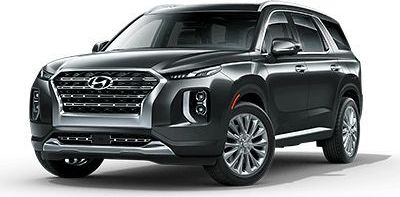
At the same time, full-size luxury SUVs maintain strong demand among families and lifestyle-driven buyers. These drivers prioritize interior space, towing capability, and road presence. For them, value comes from replacing multiple vehicles with one capable machine.
Manufacturers respond by diversifying their lineup. Hybrid trims, performance packages, and technology-focused variants allow buyers to customize their experience. That flexibility plays a major role in perceived value. People feel more comfortable paying a premium when they control what they pay for.
The result looks less like a luxury arms race and more like a tailored market built around different use cases.
Ownership Costs Still Decide the Long Game
Did you know a shocking truth? The buying price never tells you the full story. Insurance rates, maintenance schedules, and fuel expenses change the way owners treat their vehicles. AAA’s latest driving cost analysis estimates average annual ownership expenses at about $11,577.
Luxury SUVs often exceed that figure. It is because buyers choose performance-focused trims or larger wheels. However, the segment keeps growing. Why?
Because many owners treat these vehicles as central tools in their lifestyle. A premium SUV often becomes the one vehicle that handles everything from long road trips to daily errands. That utility softens the impact of higher expenses.
Hybrid powertrains also play a quiet but important role here. Improved efficiency reduces the psychological weight of fuel costs. Buyers who keep their vehicles longer tend to feel that luxury ownership delivers better value than frequent upgrades to cheaper models.
Technology Has Replaced Horsepower as the New Status Symbol
A decade ago, a 6.0 L V12 defined luxury. Today, the global software-defined vehicle (SDV) market is projected to grow from ~$475 billion in 2025 to ~$1.6 trillion by 2030. Automotive credibility is driven by OTA updates, connectivity, and ADAS software.
Buyers expect large digital displays, seamless connectivity, and driver assistance systems. It reduces fatigue during long commutes. Vehicles that evolve through over-the-air updates create a sense of longevity. Old luxury models lacked that.
Customization adds another layer to the conversation. Some drivers focus on performance tuning. Others prioritize comfort features or safety technology. This range of options allows buyers to shape their own definition of luxury. It strengthens the emotional connection to the vehicle.
From an analyst's perspective, that emotional element still matters. Data explains buying patterns, but personal experience keeps buyers loyal to the segment.
So, Are Luxury SUVs Worth It in Today’s Market?
Here is the slightly opinionated truth. Luxury SUVs make sense when buyers use them fully. Families traveling often, professionals spending serious time behind the wheel, and enthusiasts who get geeky about performance capability see the real value.
These vehicles deliver comfort, versatility, and innovation.
However, buyers chasing luxury purely for image face a tougher equation. Rapid technology cycles and rising ownership costs reward thoughtful, long-term ownership rather than impulsive upgrades.
Luxury SUVs look less like extravagant purchases these days. They are more like calculated decisions based on data and lifestyle needs. The segment continues to grow because it adapts. It reflects a market where buyers act like analysts themselves. It weighs numbers as carefully as they weigh emotion before turning the key.