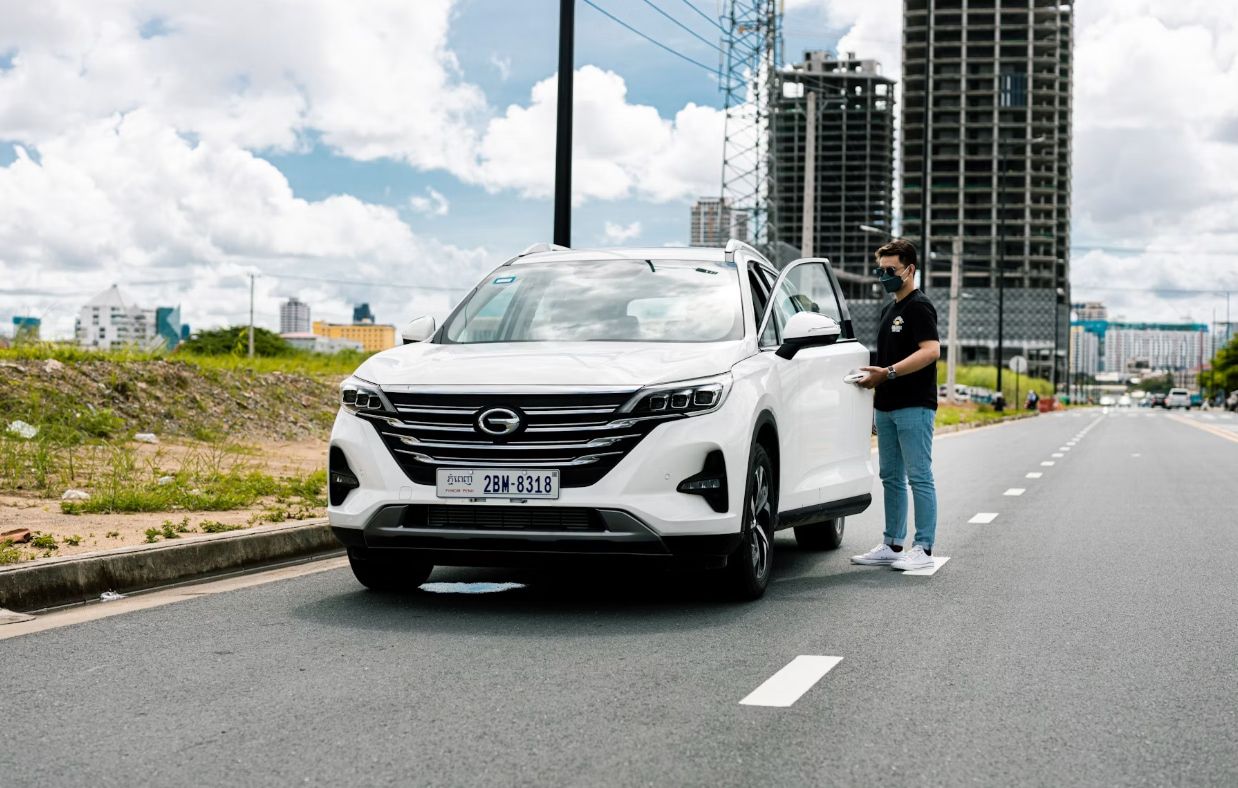
An SUV should fit the driving you do most often, while leaving enough flexibility for passengers, luggage and occasional longer trips. Size, safety equipment and running costs can vary considerably between models, so a clear shortlist helps prevent an attractive feature or low monthly payment from dominating the decision. Use your normal weekly routine as the starting point, then test each vehicle against practical needs such as parking space, passenger comfort and fuel use.
Assess Your Daily Driving Demands
List the journeys you make during a typical week, including commuting distance, school runs, shopping trips and motorway driving. The questions before buying an SUV provide a useful framework for comparing space and capability with your real needs.
Measure bulky items such as pushchairs, sports bags or mobility equipment before inspecting vehicles. If you rarely carry more than four people, a compact SUV may offer easier parking and lower fuel costs. Drivers near Many can also review available body styles through a Chevrolet dealer and arrange test drives. Take each candidate along familiar streets and check visibility, turning space and ride comfort.
Safety Technology Worth Demanding
Prioritise systems that address common driving risks. Automatic emergency braking can respond when a collision appears likely, while blind-spot monitoring helps when changing lanes. Rear cross-traffic alerts are particularly useful when reversing from a crowded supermarket space. Families with newer drivers may also value speed alerts and configurable driving settings. Guidance on used car safety features highlights several useful options.
Confirm exactly which features come with the trim level you’re considering. Similar-looking vehicles may have different sensor packages. During the test drive, ask for a demonstration and check that warning lights, camera views and dashboard controls are easy to understand.
Consult an Authorised Dealership
Bring your shortlist, driving licence and a written set of questions to the dealership. Ask for a full breakdown of the purchase price, finance terms and any optional products before discussing monthly payments. A lower payment can hide a longer agreement or a larger final amount, so compare the total payable figure.
For a used SUV, request its service history and inspection details. Check that the recorded mileage is consistent and look for uneven tyre wear, warning lights or damage to interior controls. An authorised dealership can also explain warranty coverage, maintenance intervals and the differences between trim levels. Take time to read every document, and don’t feel pressured to complete the purchase during your first visit.
Budget for Routine Running Costs
Calculate ownership costs before deciding how much to spend on the vehicle itself. Fuel, insurance, servicing, tyres and registration charges all belong in the monthly budget. Larger wheels often require more expensive replacement tyres, while heavier SUVs may use more fuel in stop-start traffic. Ask for the recommended service schedule and price several common maintenance jobs.
Set aside a monthly maintenance amount even if the SUV includes warranty cover. Warranties usually have limits and won’t cover normal wear items such as tyres or brake components. If two models have similar purchase prices, compare their fuel economy and insurance quotations using the same annual mileage. Those recurring figures may reveal a clear difference over three or five years.
Before signing, repeat the test drive with the passengers and everyday items you expect to carry. A child seat that restricts front legroom or a boot opening that’s too narrow can outweigh features that looked impressive in the showroom. The strongest choice will still feel practical once the novelty has worn off and the first service is due.