Image by Dyco Ventures
A good pickup truck isn't just a way to get around - it's really your rolling workspace. If you're a contractor, a tradesperson, a rancher, or merely someone who loves the outdoors, having a solid pickup toolbox makes your life a lot easier. It keeps your tools safe and makes your bed less of a mess.
This guide covers the basics - what kinds of toolboxes are out there, what they're made of, how they mount, tips for staying organized, and how to keep yours in shape for the long haul.
Why a Pickup Toolbox is a Must
Toolboxes actually make your truck more useful, keep your gear secure, and give you that pro look. Without one, tools end up sliding around or getting buried under gear, so you waste time digging for what you need (or worse, risk damage or theft). A dedicated toolbox solves all that.
If you depend on your tools day in and day out, having a professional waterproof tool box for truck pickup saves real time. No more hunting around in a messy bed - your gear is organized, right where you last left it, and ready to go. It even protects your tools from banging around, helps them last longer, and, as a bonus, can add some resale value to your truck later on.
Types of Pickup Toolboxes
If you're shopping for a pickup toolbox, it helps to know what's out there. Different toolbox styles have their own strengths - the right pick depends on what you want to store, how you want to access your tools, and how much bed space you want to keep open.
Crossover Toolboxes
These are probably the most common type. They sit just behind the cab and stretch across the whole width of the bed. Since they mount on the bed rails and don't reach the floor, you'll still have space underneath for hauling longer items.
Crossover toolboxes usually come with either a single lid or two lids, often with gas struts so they're easy to open. They're handy for general storage and let you grab your gear without having to climb into the truck bed.
Side-Mount Toolboxes
Mounted along your truck's bed rails, side-mount boxes make it easy to grab what you need from either side. They're a solid pick for anyone - like plumbers or electricians - who's constantly reaching for tools on the job.
Want even more storage? Side-mounts work really well with crossover boxes, so you can stash a bunch of gear without giving up too much bed space.
Chest Toolboxes
Chest boxes sit low on the floor of the truck bed and don't stick out over the rails. That low profile works great if you've got a cover or tonneau on your truck.
They're roomy enough for bigger, bulkier equipment - so you can load up without worrying about cramming everything in. But, keep in mind: chest boxes do eat into your bed length, which matters if you need to haul something long (like ladders or lumber). So take measurements before you buy.
Wheel Well Toolboxes
Designed to fit right over the wheel wells, these toolboxes make use of space that's easy to overlook. They're great for keeping things organized - especially smaller gear or specialty tools that don't need much room.
Wheel well boxes usually team up with other toolbox styles to give you full storage without eating up the middle of your truck bed.
Materials and Build Quality
Toolboxes come in all sorts of materials. What's best for you really depends on your budget, where you live, and what you're working with - each option has its own ups and downs.
| Material | Pros | Cons |
|---|---|---|
| Aluminum | Lightweight, rust-resistant, sleek look | Can dent easily, usually costlier |
| Steel | Extremely durable, heavy-duty | Heavier, prone to rust without coating |
| Plastic (Polyethylene) | Affordable, rustproof, lightweight | Less durable, less secure |
| Stainless Steel | Corrosion-resistant, premium quality | Expensive, very heavy |
The best material really comes down to how you plan to use your toolbox. If you're a contractor who works outdoors in all kinds of weather, powder-coated steel usually has the toughness and security you're after. But if you just need something lighter - or you're watching your budget - an aluminum box might make more sense.
Locking Mechanisms and Security Features
Security is a big reason people invest in a serious toolbox. Whether you're storing hand tools, power drills, or pricier electronics, a solid locking system helps keep your gear safe from theft.
Most higher-end toolboxes use keyed locks paired with stout latches. If you're looking at top-tier models, you might also find things like:
Dual-stage rotary latches
Weather-sealed compression locks
Remote-controlled locks
Reinforced lids with pry-resistant edges
And if you're working in an area where theft is a real concern, it's worth paying attention to boxes with extra padlock hasps and drill-resistant lock housings for that added peace of mind.
Waterproofing and Weather Resistance
Your tools aren't cheap, and things like moisture and dust can wreck them in no time. That's why a solid pickup toolbox needs weatherproof seals and a sturdy lid - anything that keeps the elements out makes a real difference.
What should you watch for? Here's what actually matters:
Rubber or foam weather stripping
Seams that overlap (not just butt up against each other)
Lids that are reinforced and seal up tight
Drain plugs or channels to keep water from pooling inside
If you work anywhere that gets a lot of rain or snow, weather resistance is even more critical. Sure, no toolbox is truly waterproof, but smart design goes a long way toward protecting your gear from water damage.
Storage Organization and Accessories
A good toolbox isn't just a metal case - it's set up to match how you work. The inside layout actually makes a big difference in how productive you are.
Internal Dividers and Trays
Adjustable dividers or removable trays are lifesavers for keeping things like screwdrivers, wrenches, and bits from rattling around. If you've got delicate gear, foam inserts are great for keeping it safe.
Drawer Systems
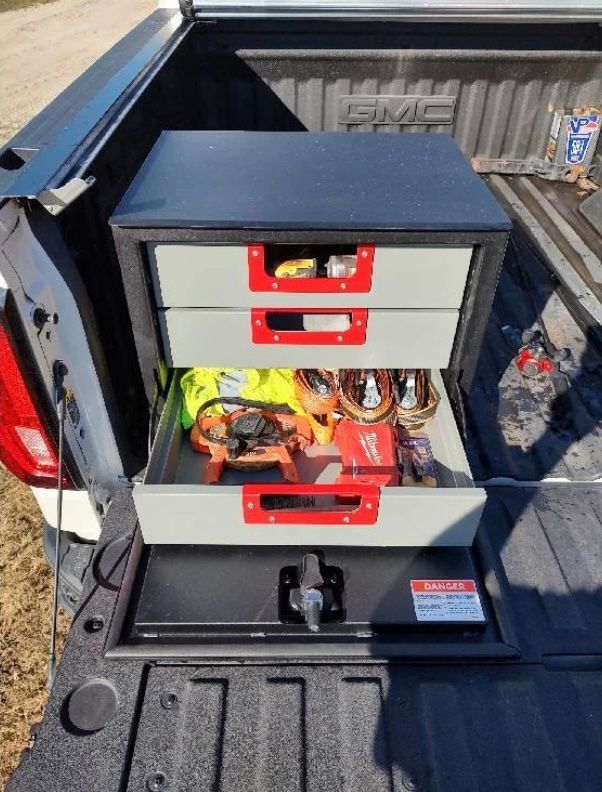
Some toolboxes have built-in drawers, which are really helpful if you're a mechanic or technician with tons of parts to keep track of. Usually, these drawers are sealed and can be locked up tight.
Mounting Rails and Tie-Down Points
Integrated rails let you secure the box firmly while still allowing room for cargo. Tie-down points help keep loads stable and safe.
Conclusion
Picking the right toolbox for your truck really comes down to knowing your work, your vehicle, and how you use them day to day. The right box doesn't just keep your tools organized - it's there to protect your gear, streamline your work, and make your truck look even more professional. Whether you're an electrician who needs quick side access, a contractor hauling heavy equipment, or someone who just needs a sturdy box for weekend trips to the cabin, there's something out there designed for you. So take your time, make sure your measurements are right, and choose a toolbox that works as hard as you do.