Automotive sales figures are influenced by a complex mix of factors, from brand loyalty and pricing to dealership experience. But beneath these broad trends, a more granular driver of consumer choice exists: performance specifications. The numbers on a spec sheet, like horsepower, torque, and transmission type, aren't just for enthusiasts. They directly correlate with market demand, vehicle turnover, and overall sales success across various segments.
Understanding Key Performance Indicators
In the automotive industry, dealers and manufacturers track many metrics to gauge business health. These Key Performance Indicators (KPIs) often include sales volume, average transaction price, and days-to-turn, which measures how long a vehicle sits on the lot. These are lagging indicators, reporting on past performance. However, a vehicle's specifications can act as leading indicators, helping predict consumer interest. Understanding the core 12 metrics every dealer needs to track is fundamental.
Performance specs help create a value proposition that directly influences these KPIs. A car with desirable specs may sell faster, reducing its days-to-turn and holding its value better. For dealerships, setting automotive industry KPIs means more than just tracking sales. It means understanding the product attributes that drive those sales in the first place. A powerful engine or a sought-after transmission can be the deciding factor that turns a browser into a buyer.
The Horsepower-Sales Correlation
Horsepower is one of the most straightforward and marketable performance metrics. For decades, it has served as a simple benchmark for power, and a higher number often translates to greater consumer interest. This is especially true in the sports car, muscle car, and performance truck segments. This correlation isn't just about raw speed. It's about the perception of capability and excitement. A high horsepower figure can create a "halo effect," where a flagship performance model boosts the image and appeal of a manufacturer's entire lineup.
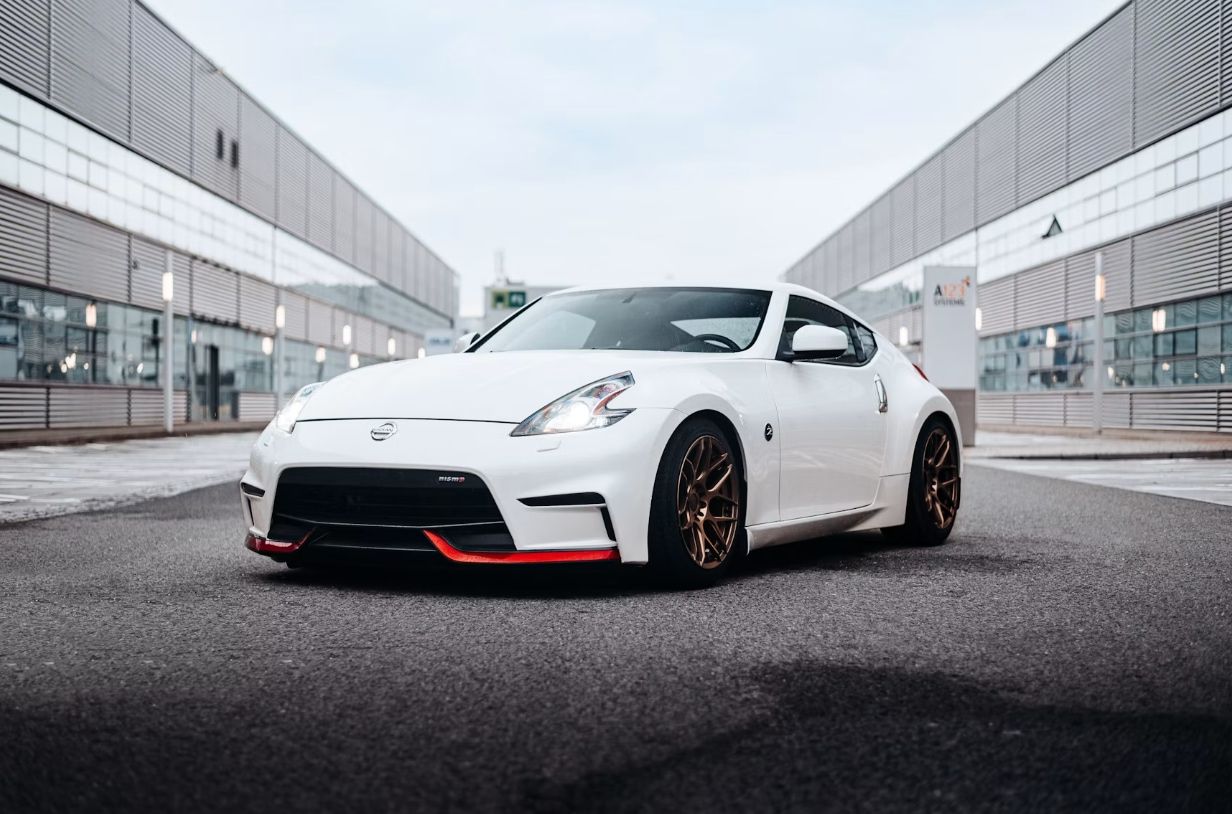
Automakers understand this appeal and continue to invest in powerful engines to capture market share. For instance, sports coupes with impressive horsepower figures often generate significant buzz and sales. The upcoming 2027 Nissan Z is a prime example, boasting a powerful 400-horsepower twin-turbo V6 engine. This shows how manufacturers use performance to attract buyers and create excitement around a model. This focus on power helps ensure the model remains competitive and desirable in a crowded market.
Manual vs. Automatic Transmission Trends
The automotive market has seen a decisive shift toward automatic transmissions over the past few decades. Data consistently shows that vehicles with automatics vastly outsell their manual counterparts. The convenience of an automatic for daily commuting, combined with advancements like quick-shifting dual-clutch systems, has made them the default choice for most buyers. From a pure sales volume perspective, automatics are the clear winner.
However, sales data tells a more nuanced story when viewed through the lens of specific market segments. In the world of sports and enthusiast cars, offering a manual transmission can be a powerful differentiator. A small but dedicated group of buyers actively seeks the engagement and control that only a manual gearbox can provide. For these customers, a manual option isn't just a feature; it's a requirement. Manufacturers that offer a manual transmission for their performance models can capture this passionate niche, fostering brand loyalty and generating sales from a highly motivated customer base.
Impact of Engine Configuration on Demand
Beyond raw horsepower, the type of engine in a vehicle significantly shapes consumer demand. Engine configuration, such as inline-four, V6, or V8, and the use of turbocharging or natural aspiration create distinct driving characteristics and appeal to different buyers. In recent years, sales data for mainstream sedans and SUVs shows a strong trend toward smaller, turbocharged four-cylinder engines. This shift is driven by consumer demand for better fuel economy and tightening emissions regulations.
In contrast, the performance and luxury segments often show continued demand for larger V6 and V8 engines. These configurations are prized for their smooth power delivery, satisfying engine note, and high-performance potential. A V6 or V8 can elevate a vehicle's status and justify a higher price point. As the industry moves toward electrification, a new performance metric, instant torque, is also reshaping demand. But the classic appeal of a well-engineered internal combustion engine remains a strong selling point in many key markets.
The 2027 Nissan Z Performance Edge
The upcoming Nissan Z serves as an excellent case study of how a manufacturer strategically uses performance specifications to carve out a distinct market identity. It brings together several key elements that appeal directly to driving enthusiasts. Its standard 400-horsepower V6 twin-turbo engine immediately establishes its credentials in the sports coupe segment, addressing the critical horsepower-sales correlation.
Nissan's decision to offer both a 6-speed manual and a 9-speed automatic transmission demonstrates a keen understanding of market trends. While the automatic will likely account for a larger share of sales volume, the availability of a manual is a crucial nod to purists that differentiates the Z from some competitors. This blend of modern power from a sophisticated engine configuration and traditional driver engagement options gives the car a unique performance edge designed to resonate with its target audience and drive sales.
Performance specifications are far more than just technical details. They are fundamental components of a vehicle's identity and a powerful force in the automotive market. They shape consumer desire, influence purchasing decisions, and ultimately have a direct and measurable impact on sales data.