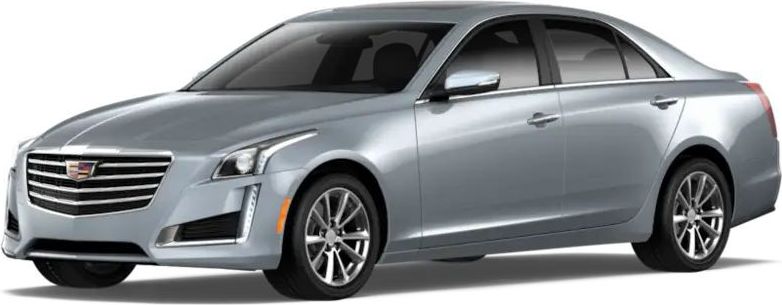
Modern vehicles are increasingly sophisticated machines. Automakers use electronic control units (ECUs) to manage everything from fuel delivery and ignition timing to throttle response and engine behavior under different driving conditions. While these factory calibrations are designed to provide a balance between performance, reliability, emissions, fuel economy, and drivability, they do not always represent the maximum performance potential of an engine.
This is where electronic performance tuning has become increasingly popular among automotive enthusiasts and everyday drivers.
Unlike traditional mechanical modifications, modern ECU tuning can change how an engine responds without requiring major physical modifications to the vehicle. Depending on the technology being used, drivers may notice improvements in throttle response, acceleration, drivability, and overall engine performance.
What Is ECU Tuning?
The engine control unit is essentially the computer responsible for managing many important aspects of an internal combustion engine. It continuously receives information from sensors throughout the vehicle and uses that information to determine how the engine should operate.
Among other parameters, the ECU can control fuel delivery and ignition timing. Manufacturers create factory calibrations that work across a wide range of temperatures, driving conditions, fuel qualities, altitudes, and maintenance conditions.
This conservative approach is useful for producing a reliable vehicle for a broad customer base, but it also means that there can be room for optimization.
ECU tuning attempts to adjust the engine's operating parameters to create a different balance between performance and efficiency. Depending on the vehicle and tuning system, this can result in sharper throttle response, stronger acceleration, or improved drivability.
Why Drivers Consider Performance Tuning
One of the biggest reasons people modify their vehicles is the desire for a more responsive driving experience.
A vehicle does not necessarily need a large increase in peak horsepower to feel substantially different from behind the wheel. Throttle response, torque delivery, and the way power builds through the rev range can have a significant impact on how a car feels during normal driving.
For example, a driver may notice the difference most when accelerating from a stop, merging onto a highway, or overtaking another vehicle.
Electronic tuning can also be attractive because it may require considerably less physical modification than traditional performance upgrades. Instead of replacing multiple engine components, some systems focus primarily on changing the electronic parameters that influence engine operation.
Choosing a Tuning System
There are several approaches to electronic vehicle tuning, and the right option depends on the vehicle, the driver's goals, and how much control they want over the process.
Some tuning systems require permanent ECU reprogramming, while others use external hardware that interacts with the vehicle's existing control system. Each approach has advantages and disadvantages.
Drivers should also consider whether they want a simple performance upgrade or a system that provides additional information about the vehicle.
A company such as Monte Tuning focuses on electronic performance solutions designed to give drivers another way to optimize the behavior of their vehicles.
Monte GT: A Compact Performance Upgrade
The Monte GT is designed as a compact performance tuning solution that works with the vehicle's existing electronic systems.
One of the advantages of this type of approach is convenience. Drivers interested in improving engine performance may not want to install large numbers of aftermarket components or make permanent mechanical changes to their vehicles.
A tuning device can provide an alternative approach by modifying engine operating parameters electronically.
The appeal of a system like the Monte GT is particularly relevant for drivers who use their vehicles every day but still want a more responsive driving experience. Instead of building a dedicated track car, the goal can simply be to make the vehicle feel more engaging during ordinary driving.
Monte GTR and Additional Vehicle Information
For enthusiasts who want more information from their vehicle, the Monte GTR takes a broader approach.
Performance tuning is not only about changing engine behavior. Understanding what the vehicle is doing can be equally interesting for enthusiasts.
A system that combines tuning functionality with vehicle information can allow drivers to monitor aspects of their vehicle while driving. This type of technology is particularly useful for people who enjoy analyzing acceleration, engine behavior, and other performance-related information.
The Monte GTR is positioned as a more comprehensive device, incorporating features such as live vehicle gauges, diagnostics, code reading and clearing, and performance measurement.
For enthusiasts who want more than a simple performance modification, having access to this type of information can make the tuning process more engaging.
Tuning Versus Traditional Performance Modifications
Traditional performance modifications often involve physical components. Exhaust systems, intake systems, intercoolers, turbochargers, suspension components, and other hardware can all change the characteristics of a vehicle.
These modifications can be effective, but they can also require more time, money, and mechanical expertise.
Electronic tuning occupies a different part of the modification spectrum. It can complement mechanical upgrades or serve as a relatively straightforward starting point for drivers who want to explore additional performance.
The best approach ultimately depends on the vehicle and the owner's objectives. Someone building a dedicated performance vehicle may choose extensive hardware modifications, while another driver may prefer a less invasive electronic solution.
What Should Drivers Consider Before Tuning?
Performance tuning should not be treated as a universal solution for every vehicle.
The condition of the engine and drivetrain should be considered before increasing performance. Regular maintenance is also important. Oil, filters, spark plugs, cooling systems, and other components should be in good condition before modifying engine parameters.
Fuel quality is another consideration. Drivers should understand the requirements of any tuning system and use appropriate fuel for their particular vehicle and calibration.
It is also important to understand that performance modifications can affect warranty coverage, emissions compliance, insurance requirements, or local vehicle regulations depending on the jurisdiction.
For these reasons, drivers should research the specific tuning system and their vehicle before making modifications.
The Future of Automotive Performance
As vehicles become increasingly software-driven, electronic tuning is likely to remain an important part of the aftermarket automotive industry.
The distinction between hardware and software modifications is becoming less clear. Modern performance enthusiasts can use electronic systems to monitor vehicles, analyze performance, and alter certain aspects of how an engine operates without necessarily making extensive mechanical changes.
This creates new opportunities for drivers who want to personalize their vehicles while retaining much of the practicality of a modern production car.
Whether the goal is sharper throttle response, stronger acceleration, better drivability, or simply a more engaging driving experience, ECU tuning provides another tool for modifying a vehicle.
For enthusiasts, the most interesting aspect may ultimately be the ability to combine performance improvements with increasingly sophisticated monitoring and diagnostic technology.