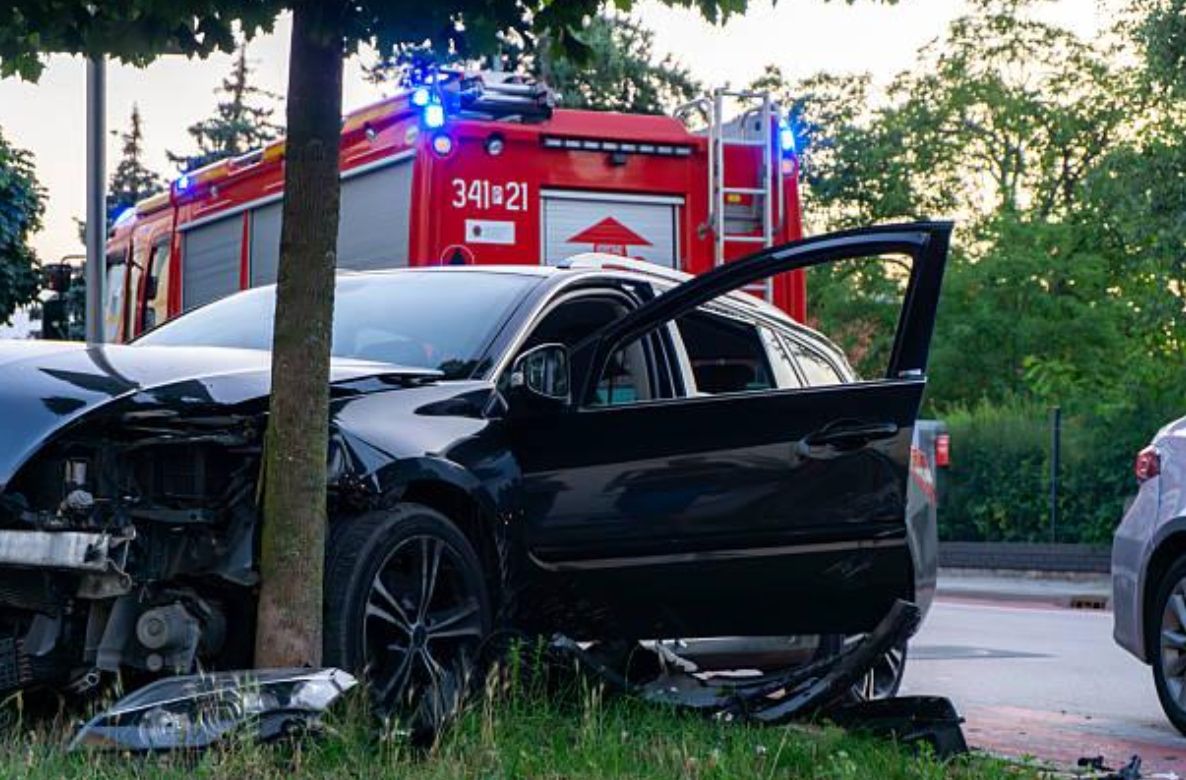
Intersection design can affect fault in a Houston car accident by influencing visibility, traffic flow, turning movements, and drivers’ ability to respond to hazards. Poorly placed signs, obstructed sightlines, confusing lane markings, or inadequate signals may contribute to a collision. However, a design problem does not automatically make a city or road authority responsible; investigators must examine how the intersection’s conditions and each driver’s actions contributed to the crash.
Intersections are among the most dangerous places on any road network. According to the Federal Highway Administration, roughly one-quarter of U.S. traffic fatalities and about half of all traffic injuries each year are attributed to intersections.
Houston has a busy road network, with major intersections connecting residential neighborhoods, commercial areas, and heavily traveled highways. Drivers often encounter multiple turning lanes, changing traffic patterns, and substantial traffic volumes. When an intersection is difficult to navigate, determining what happened may require a closer look at road conditions as well as driver behavior. A car wreck lawyer in Houston may help injured people understand how these factors could affect a potential claim.
How Limited Visibility at an Intersection Can Contribute to a Car Accident
Drivers need a clear view of approaching traffic, pedestrians, cyclists, and vehicles preparing to turn. Buildings, trees, utility poles, overgrown landscaping, or poorly positioned signs can block that view and make it harder to judge when it is safe to proceed.
For example, a driver turning left may not see an approaching vehicle until the last moment because the intersection has a restricted sightline. Investigators may examine photographs, traffic-camera footage, and the positions of nearby objects to determine whether visibility played a role.
Drivers must still exercise reasonable care. Under Texas Transportation Code § 545.152, a driver turning left at an intersection must yield to oncoming vehicles that are in the intersection or close enough to be an immediate hazard. Even when visibility is limited, a driver may need to slow down, stop, or wait until the turn can be completed safely.
When Traffic Signals, Signs, and Lane Markings Cause Confusion
Confusing traffic signals or faded lane markings can leave drivers uncertain about where to stop, which lane to use, or who has the right of way. Intersections with several turning lanes can be especially difficult when arrows and pavement markings are unclear.
Investigators may review signal timing, signage, road markings, and maintenance records after a collision. If a signal malfunction or unclear marking contributed to the crash, that evidence may help explain the circumstances. It does not, by itself, establish liability against the agency responsible for the roadway.
Can a Government Entity Share Fault for a Dangerous Intersection?
Claims against a city, county, or the state are governed by the Texas Tort Claims Act, which waives governmental immunity only in limited situations. Traffic control devices are addressed specifically in Texas Civil Practice and Remedies Code § 101.060. In general terms:
- Decisions about where to place signs or signals. A government entity usually is not liable for an initial failure to install a sign, signal, or warning device when that choice was a discretionary decision.
- Missing or malfunctioning devices. A claim may be possible when a sign or signal was absent, in poor condition, or malfunctioning and the responsible entity failed to correct it within a reasonable time after receiving notice.
- Devices removed or damaged by others. If a third party knocked down or removed a sign, the entity generally must have had actual notice and a reasonable time to fix it.
This is why records showing prior complaints, service requests, or earlier crashes at the same location can matter. They may help show whether the responsible agency knew about the problem before the collision.
Texas Proportionate Responsibility: How Fault Is Divided After a Car Accident
An intersection may have design flaws while one or more drivers also make mistakes. A driver might speed toward a yellow light, fail to yield, or enter an intersection without checking for cross traffic. Another driver may misjudge a turn because the road layout is confusing.
Under Texas Civil Practice and Remedies Code Chapter 33, Texas follows a proportionate-responsibility system in many injury cases. A court may assign percentages of responsibility to the parties based on the evidence, and an injured person’s recovery is generally reduced by their own share of fault. A claimant whose responsibility exceeds 50% cannot recover damages under this system.
For example, if a jury found one driver 70% responsible for running a red light and the injured driver 30% responsible for not noticing a faded lane marking in time, the injured driver’s damages would typically be reduced by 30%. Intersection design can be relevant to how those percentages are assigned without automatically excusing a driver’s conduct.
Evidence That Helps Establish Fault in an Intersection Crash
Evidence can help show whether the intersection itself contributed to the accident. Because signals get repaired, vegetation gets trimmed, and footage gets overwritten, it helps to gather it quickly. Useful materials may include:
- Photographs showing sightlines, signs, signals, and lane markings, ideally taken at the same time of day as the crash.
- Traffic-camera, business security, or dashcam footage.
- The police crash report, which in Texas can be purchased through TxDOT’s crash report system, along with witness statements.
- Vehicle damage, event data recorder information, and accident-scene measurements.
- Records of signal timing and operation, road maintenance, or previous safety complaints at the intersection.
Deadlines for Car Accident Claims Involving a Road Authority
Most Texas personal injury lawsuits must be filed within two years under Texas Civil Practice and Remedies Code § 16.003. Claims involving a public road authority can have much shorter notice deadlines.
The Texas Tort Claims Act generally requires written notice to a governmental unit within six months of the incident under § 101.101, and city charters may set shorter periods. The City of Houston’s claim instructions, for instance, cite a charter provision requiring notice within 90 days after the injury. Anyone considering such a claim should seek legal guidance promptly rather than assume the ordinary rules apply.
Key Takeaways
- Intersection design can affect visibility, turning decisions, and traffic movement.
- Fault depends on evidence of both road conditions and driver behavior.
- Texas law divides responsibility among parties and bars recovery for a claimant more than 50% at fault.
- Government liability for signs and signals is limited and often depends on notice of the problem.
- Photos, video, crash reports, witness accounts, and maintenance records can help clarify the cause.
- Claims involving government entities may require notice within months, not years.
A careful review of an intersection can reveal factors that are not obvious from the initial crash report. Understanding how road design and driver conduct interacted can help establish a clearer picture of responsibility after a Houston car accident.