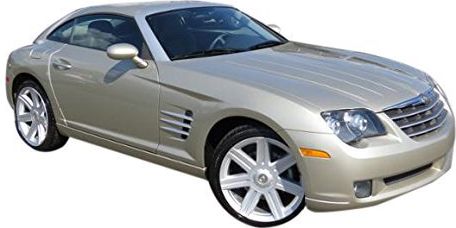
Here is a number that stings. A new car can lose almost a quarter of its value before its first birthday. You cannot stop depreciation, but you can decide how much of it your particular car suffers.
So what actually separates a five-year-old car that still looks sharp from one that looks tired and sells cheap? A surprising amount of it comes down to how the paint, glass and interior were cared for from day one. Detailing, done properly and early, is one of the few levers an owner genuinely controls. Here is how it protects value over the long run.
Depreciation Is Real, but Condition Is Yours to Control
Every car loses value with age and mileage. While depreciation is unavoidable, the condition of your vehicle is something you can influence throughout its life.
When two similar cars are compared, buyers and appraisers often look beyond the odometer. Faded paint, swirl marks, cloudy headlights, and a stained interior can all reduce a vehicle's appeal and, ultimately, its value. By contrast, a well-maintained car gives the impression that it has been carefully looked after, helping it stand out and potentially achieve a stronger resale or trade-in price.
Alongside detailing, routine maintenance is equally important. Consumer Reports recommends following your vehicle's maintenance schedule to help maximise its lifespan and avoid unnecessary wear, reinforcing the value of consistent care throughout a vehicle's life.
What Detailing Actually Protects
Detailing is not just a wash. It works on three fronts at once: the exterior, the interior, and the impression the car eventually makes on a buyer. Each one feeds directly into value.
Exterior Protection
The paint and clear coat are often the first things people notice, and they are constantly exposed to the elements. Waxes, sealants, and ceramic coatings help protect the surface from UV rays, bird droppings, road salt, and other contaminants, while clay bar treatments remove embedded dirt that regular washing leaves behind. Gentle washing and occasional polishing also help prevent swirl marks, light scratches, and oxidation, keeping the paint in better condition for longer.
Interior Preservation
A well-maintained interior can make a car feel newer and more appealing to buyers. Regular conditioning helps protect leather and vinyl from drying, fading, and cracking, while deep cleaning removes built-up dirt and stains from carpets and upholstery. Treating lingering odours also keeps the cabin feeling clean and well cared for, rather than worn or neglected.
Resale and Trade-In Impact
The value of regular detailing is often most noticeable when it is time to sell or trade in your vehicle. A glossy exterior and a clean, well-maintained interior create a strong first impression, giving buyers and dealers greater confidence that the car has been responsibly cared for. Well-preserved paintwork, a tidy cabin, and consistent maintenance can also help the vehicle attract stronger offers or sell more quickly than a similar car showing obvious signs of wear. Protecting these areas early is far easier and more cost-effective than trying to reverse years of neglect later on.
Why Starting Early Beats Fixing Later
There is a crucial difference between protection and correction. Protection keeps damage from happening. Correction tries to reverse it after the fact, and it is always more expensive and less complete.
A brand new car arrives with its paint in the best condition it will ever be in. Sealing or coating it then locks it in that state. Waiting until the finish is already covered in swirl marks means paying for correction first, and even skilled polishing removes a little clear coat every time.
This is where professional treatments earn their place. Options like paint protection film and ceramic coating create a barrier against the daily wear that causes long-term value loss. A specialist such as Cloaked LLC handles exactly this kind of protective work, from film and coatings to full detailing, on new and near-new vehicles.
The logic is simple. Spend a bit protecting the surfaces up front, or spend more restoring them later, usually with a worse result.
The Treatments That Do the Heavy Lifting
Not every service matters equally for value. A few stand out as genuine long-term investments rather than cosmetic extras.
- Paint protection film shields the most exposed panels from rock chips and scratches that would otherwise need respraying.
- Ceramic coating adds a durable, water-repelling layer that keeps contaminants from bonding to the paint.
- Paint correction removes existing swirls and restores gloss, best done once and then protected.
- Interior protection guards leather and trim against the sun and daily use that age a cabin fast.
In hot, sunny climates the case is even stronger, since UV and heat are two of the harshest forces acting on both paint and interior.
Why Original Paint and Records Matter Most at Resale
Beyond that first impression, two things carry disproportionate weight when a serious buyer or appraiser takes a closer look.
The first is a documented history of protection and detailing, which signals a careful owner and reassures buyers about the parts they cannot see. The second is original, undamaged paint, because a repaint, however good, is exactly what serious buyers look for and discount.
The gap between a protected car and a neglected one of the same age and mileage is not small. It is often the difference between a quick sale near the top of the range and a slow one at the bottom.
Conclusion
While no car can avoid depreciation altogether, you can influence how well it holds its value over time. Regular detailing and paint protection help preserve the condition buyers notice most, making your vehicle look newer and better maintained for longer.
The best results come from starting early rather than trying to restore damage later. By protecting vulnerable surfaces, keeping the interior clean, and maintaining records of the work you've had done, you make it easier to demonstrate that the car has been well cared for. When it comes time to sell or trade it in, that consistent care often translates into stronger buyer confidence and a better resale price.