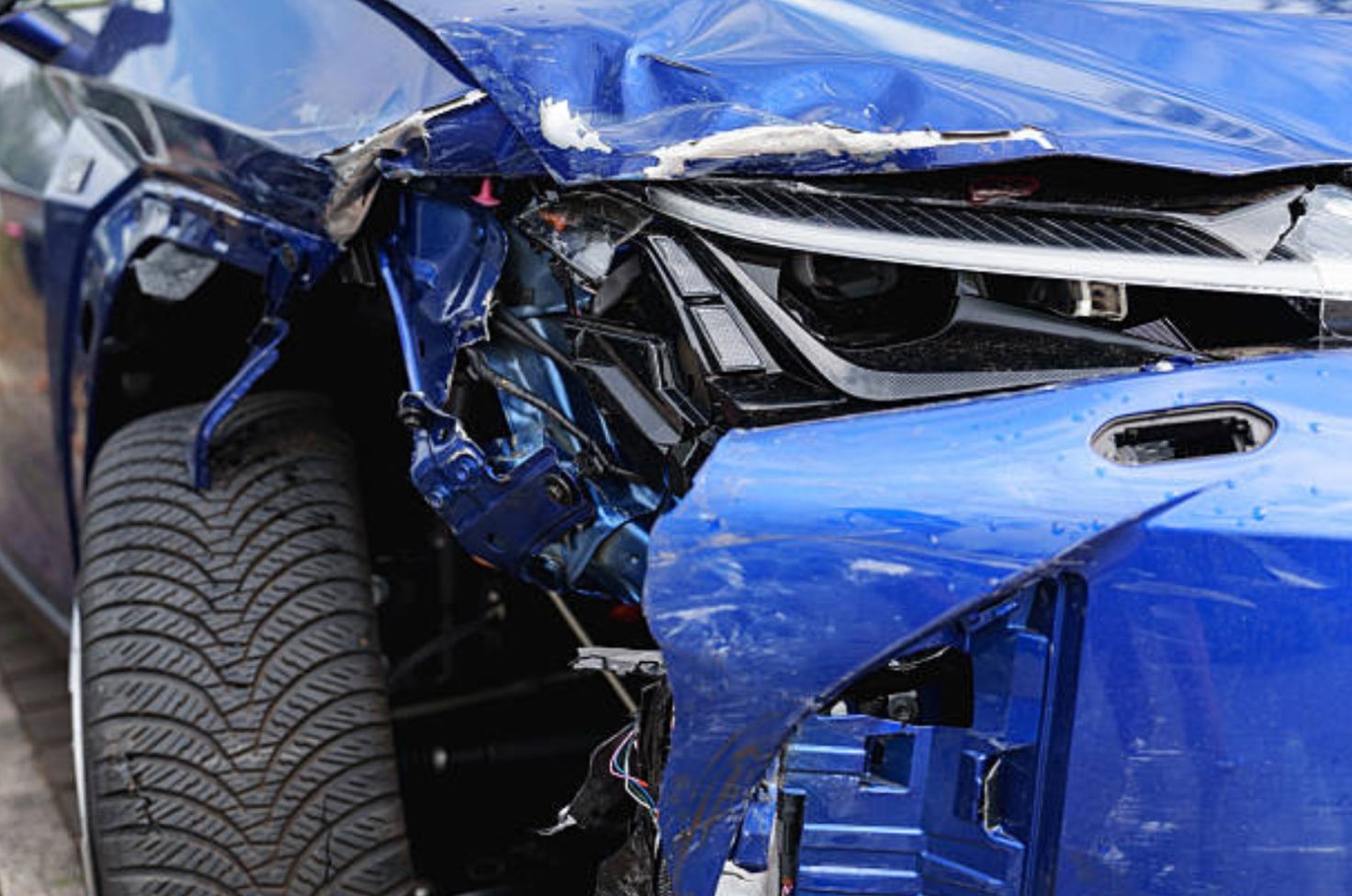
Picture this: you are stopped at a red light on King Avenue when another car slams into you from behind. You exchange information, only to learn the other driver has no insurance at all. Suddenly the question is not just how badly you are hurt, but who is going to pay for the ambulance, the X-rays, and the time you miss from work.
This situation is more common than many people think, and it often leaves injured drivers dealing with their own insurance company instead of the other driver's. Working with Billings uninsured motorist accident lawyers can help you understand which coverage applies and keep your claim on track. Below is a plain look at the coverage options Montana drivers may have when the at-fault driver has little or no insurance.
Uninsured Motorist Coverage: Your Own Policy Steps In
Uninsured motorist coverage, often called UM, is part of your own auto policy. It pays for injuries caused by a driver who is at fault but has no liability insurance. In Montana, insurers must offer this coverage, and it stays on your policy unless you reject it in writing. If you kept it, your own insurer may pay for medical bills, lost wages, and pain and suffering up to your UM limit.
The catch is that you are now making a claim against your own insurance company, and it may not act like a friend. The adjuster may question how the crash happened, whether your injuries are really from the accident, or how much treatment you needed. Your insurer still has to treat you fairly, but it also wants to pay as little as it can.
When the Other Driver Has Some Insurance, but Not Enough
Sometimes the other driver does have insurance, just not much of it. Montana's minimum liability coverage is $25,000 per person for injuries, which can run out fast after one ambulance ride, a few nights in the hospital, and a surgery. Underinsured motorist coverage, or UIM, is designed for this gap.
With UIM, the at-fault driver's insurer pays up to its limit first. Your own UIM coverage can then help cover the remaining losses, up to the limit you bought. Not every policy includes UIM, so it is worth checking your declarations page now, before you ever need it.
Hit-and-Run Crashes and Other Ways to Get Paid
If the driver who hit you drove away and is never found, your UM coverage may still apply. These claims usually require a prompt police report and proof that another vehicle actually caused the crash, so call law enforcement right away and gather any photos, witness names, or nearby security video you can.
UM and UIM are not the only options. Medical payments coverage, called MedPay, can pay medical bills no matter who was at fault, and it often pays quickly while a larger claim is pending. Your health insurance can also cover treatment, though it may want to be paid back from your settlement. In some cases, someone else shares the blame, such as the owner who lent the car or an employer whose worker was on the job, and that can open another path to compensation.
Handling Your Own Insurance Company Carefully
It can feel strange to be cautious with the company you have paid premiums to for years, but care is important here. Report the crash promptly, as your policy requires, and stick to the basic facts. You do not have to give a recorded statement right away, and it is usually wise to wait until you understand your injuries and your rights. Casual comments like "I'm fine" or "I didn't see them coming" can be used later to reduce your claim.
Keep a file with every bill, receipt, pay stub, and letter from the insurer. Follow your doctor's treatment plan without long gaps, because gaps give adjusters room to argue you were not really hurt. If your insurer denies a valid claim or offers far less than your losses, you can challenge that decision, and an insurer that acts unreasonably may face a bad faith claim.
Uninsured Drivers on Billings Roads
As Montana's largest city, Billings pulls in drivers from across the region every day. People come from Laurel, Lockwood, Hardin, and smaller ranch towns to shop on King Avenue, work downtown, or visit Billings Clinic and St. Vincent Regional Hospital. Interstate 90 also brings a steady stream of out-of-state travelers and commercial trucks through the city. With that much traffic from so many places, local drivers can easily end up in a crash with someone whose coverage has lapsed or who carries only the state minimum.
Montana's uninsured driver rate is lower than the national average, but that is little comfort if you are the one who gets hit. Billings drivers also deal with icy winters, busy shopping corridors, and long rural commutes, all of which raise the odds of a serious crash. Carrying solid UM and UIM coverage is one of the simplest ways for local families to protect themselves.
Reviewing Your Policy Before You Need It
The best time to look at your coverage is before a crash happens. Pull out your declarations page and check whether you have UM, UIM, and MedPay, and what the limits are for each. Many people find their UM limits are as low as the state minimum, which may not go far after a serious injury. Raising these limits often costs less than drivers expect.
The numbers show why this matters. According to the Insurance Information Institute's facts and statistics on uninsured motorists, about 15.4 percent of U.S. drivers were uninsured in 2023, or more than one in seven. Montana's estimated rate was much lower, at 7.2 percent, but that still means some of the drivers on any local road may have no coverage if they cause a crash.
Turning a Tough Situation Into a Clear Plan
Being hit by a driver with no insurance can feel deeply unfair, but it does not have to leave you without options. Your own UM or UIM coverage, MedPay, health insurance, and claims against other responsible parties can all play a part in covering your losses. By getting medical care, reporting the crash quickly, keeping careful records, and understanding your policy, you give yourself the best chance at a fair recovery. Most Montana injury claims must be filed within three years, so starting early keeps every option open.