
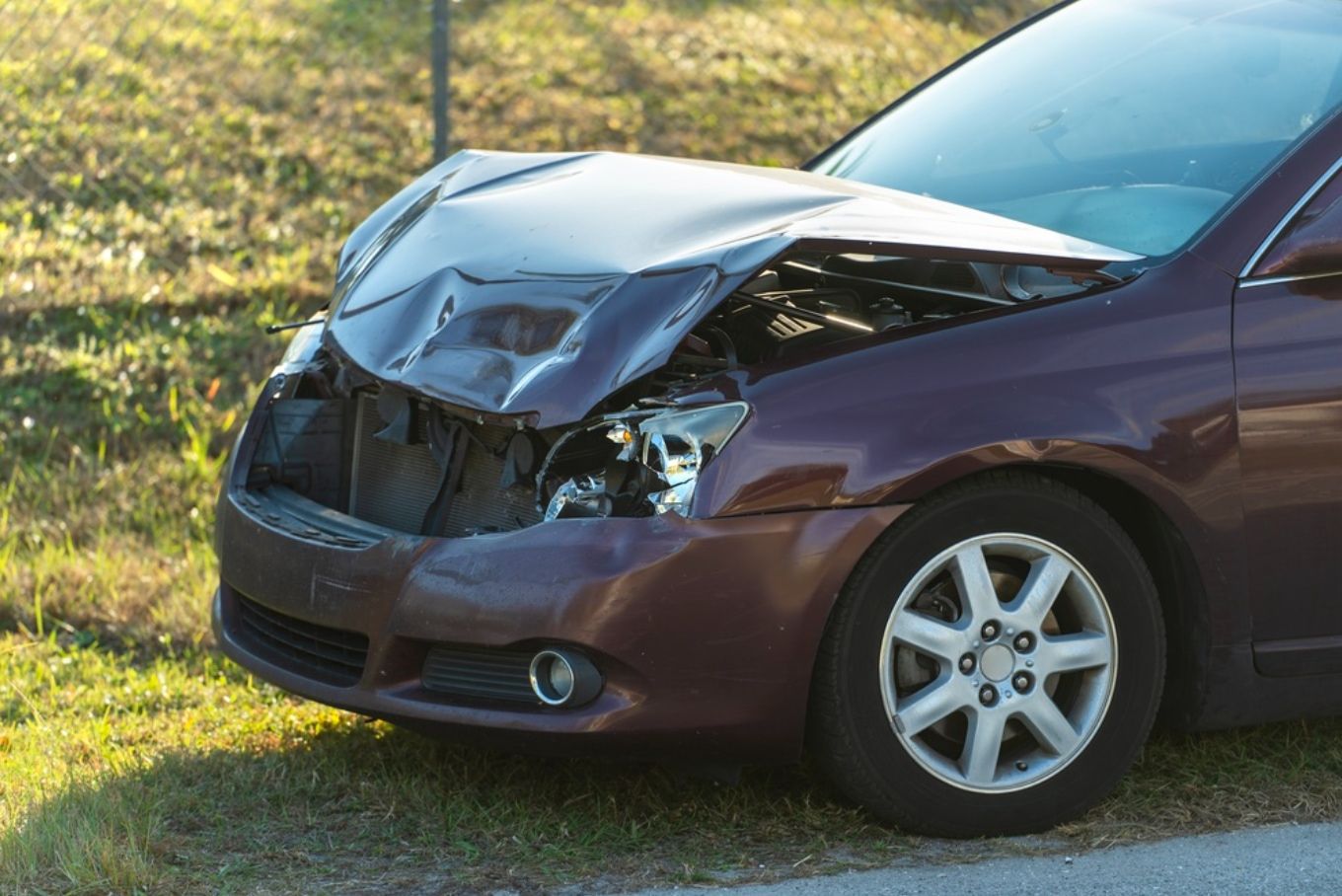
Construction zones, changing traffic patterns, damaged pavement, and unclear signals can create additional complications on Houston roads. These conditions may affect how drivers respond, where vehicles move, and how a collision unfolds. A crash that appears to be caused by one driver may involve other factors that are not immediately obvious. Looking beyond the point of impact can sometimes reveal important details about what contributed to the accident.
Working with a car accident lawyer in Houston that residents rely on can help bring these less visible factors into focus. Road conditions are only one possibility. Driver behavior, vehicle defects, and conflicting accounts may also influence responsibility. Reviewing available evidence can help build a clearer picture of what happened and whether another person or party may share responsibility for the resulting injuries and losses.
Driver Actions Before the Crash
A driver’s conduct before impact can provide important clues about responsibility. A vehicle may have struck another car at an intersection, but the events leading up to that contact can tell a larger story. Speed, following distance, lane changes, and failure to yield may all affect how a collision developed.
Distraction can also matter. A driver who was looking at a phone, adjusting something inside the vehicle, or otherwise not paying attention may have had less time to react. Evidence that helps establish these actions can include:
- Traffic or surveillance video
- Witness statements
- Phone records
- Vehicle data, when available
- Police observations
Looking at the sequence of events, rather than only the final impact, can help clarify what each driver contributed to the crash.
Road Conditions May Add Another Layer
Not every crash is caused entirely by driver behavior. Road conditions can create hazards that affect how a collision happens. Missing signs, blocked signals, poor lighting, construction changes, or damaged pavement may influence a driver’s ability to respond safely.
Houston drivers may encounter changing traffic patterns around construction areas and busy intersections. If a road condition played a role, photographs, maintenance records, traffic-control information, and witness accounts may help establish what was present.
This does not automatically shift responsibility away from a driver. Instead, it adds another factor that should be examined before concluding. A careful review can show whether a road problem was unrelated, contributed to the crash, or played a significant role.
Vehicle Problems Can Be Easy to Overlook
A vehicle can become part of the explanation. Brake problems, worn tires, steering issues, defective lights, or other mechanical concerns may affect a driver’s ability to control a vehicle.
Maintenance history can be especially useful here. Repair invoices, inspection records, service information, and photographs may help show whether a mechanical issue existed before the crash. Vehicle damage can also provide clues about what happened during the collision.
In some situations, the issue may involve more than the driver. A serious defect or improper repair could raise questions about another responsible party. That is why vehicle condition should not be ignored simply because the crash initially appears to be a driver error.
Evidence Can Change the First Story
Early accounts of a crash are not always complete. People may remember events differently, miss important details, or make assumptions based on where the vehicles stopped. Additional evidence can sometimes create a clearer picture.
Useful sources may include:
- Dashcam and security footage
- Photographs of the vehicles and roadway
- Skid marks, debris, and other scene evidence
- Witness statements
- Police reports
- Vehicle event data, when available
Damage patterns can also matter. The location, direction, and severity of damage may help investigators compare different accounts of the collision. Even small details can become important if they support or contradict what someone originally reported.
For anyone consulting a car accident lawyer Houston residents may turn to, preserving relevant evidence early can make it easier to examine these questions before records disappear or memories become less clear.
Records should be saved in their original form whenever possible. Avoid deleting messages, altering photographs, or discarding damaged vehicle parts before they can be reviewed. Small gaps in the record can make later reconstruction of the crash more difficult.
Shared Responsibility May Affect the Result
Responsibility does not always belong entirely to one driver. Two or more drivers may have actions that contributed to the same collision. Texas uses a modified comparative responsibility rule, meaning a person’s recovery can be reduced based on their percentage of responsibility. A person who is more than 50% responsible generally cannot recover damages under this rule.
That makes the details behind a crash especially important. A driver who contributed to an accident does not necessarily have the same legal position as someone who caused it entirely. The available evidence can help determine how the different factors fit together.
Consider Every Factor Behind the Crash
Not every contributing factor is visible at the accident scene. Some details may only become meaningful after the evidence is reviewed carefully. Road conditions, driver behavior, vehicle problems, and witness accounts can each provide clues about how the collision developed. Looking at these factors together may help show whether one driver was responsible or whether several circumstances contributed to the crash.
After a Houston car accident, keep photographs, accident reports, repair records, and other relevant information organized. Avoid making quick decisions about responsibility before the facts have been reviewed. A car accident lawyer in Houston can help examine the circumstances, explain available legal options, and determine what steps may be appropriate for the situation.