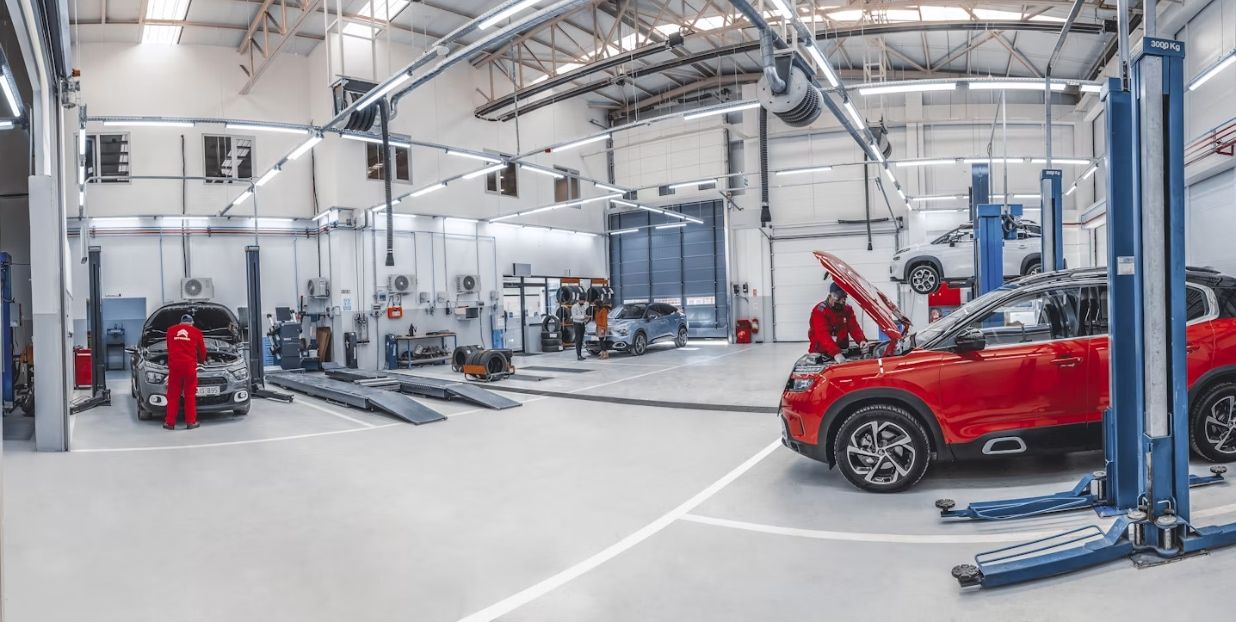
Regular vehicle maintenance protects reliability, fuel economy and resale value while reducing the chance of an inconvenient breakdown. Oil changes remain part of that routine, but long-term resilience depends on several connected systems. Brakes, tires, the electrical system and temperature-sensitive components all need attention at suitable intervals.
Your owner’s manual provides the starting point, while mileage, climate and driving conditions help determine how often inspections should occur.
Beyond Oil Changes
Engine oil gets plenty of attention, yet fluids, filters, belts and hoses also age. Check coolant and brake fluid levels monthly, and look beneath the vehicle for fresh spots that could signal a leak. A clogged engine air filter can reduce performance, while a dirty cabin filter may weaken airflow through the vents.
Rubber components deserve a close look during routine service. Cracks, soft areas or frayed edges on belts and hoses can develop before a warning light appears. If you notice repeated fluid loss, unusual odors or rising engine temperature, schedule an inspection with an experienced auto shop instead of repeatedly topping off the reservoir. Early diagnosis can prevent a small leak from causing overheating or damage to nearby parts.
Brake System Health
Your brake system usually provides clear signs when service is due. Squealing may indicate worn friction material, while grinding can point to metal-on-metal contact that may damage other components. A soft pedal, vibration during braking or a vehicle that pulls to one side also calls for prompt attention.
Ask for a brake inspection during tire rotations or at the interval listed in your owner’s manual. The technician should examine the pads, rotors, lines and fluid condition. Pay attention to gradual changes too. If stopping at a familiar intersection suddenly requires more pedal pressure, don’t wait for the dashboard warning light. Brake performance can decline slowly enough that a driver adapts without realizing how much stopping behavior has changed.
Tire Care and Alignment
Inspect tire pressure at least once a month when the tires are cold. Use the pressure listed on the driver-side door label, not the maximum printed on the tire. Underinflation creates extra heat and rolling resistance, while overinflation can reduce grip and produce uneven wear.
The federal tire safety guidance recommends checking tread condition and watching for physical damage. You can place a penny into a tread groove with Lincoln’s head facing down. Visible space above his head suggests the tread is becoming too shallow.
Rotate tires according to the vehicle manufacturer’s schedule. If the steering wheel sits off-center, the car drifts on a level road or one tire wears faster than the others, have the alignment checked. Correct alignment helps tires last longer and keeps handling predictable.
Powering Your Ride
A battery can weaken without much warning, especially during temperature extremes. Slow engine cranking, dim lights and clicking during startup are common signs of declining power. Inspect the terminals periodically for corrosion, which may appear as a white or bluish buildup. Keep the battery case clean and make sure its hold-down bracket remains secure.
Have the battery and charging system tested before a long trip or when the battery reaches roughly three years of age. Test results reveal more than voltage alone because they measure the battery’s ability to supply power under load. If a replacement becomes necessary, use the size and rating specified for your vehicle. Installing an unsuitable battery may lead to poor starting performance or strain the charging system.
Seasonal Automotive Checks
Temperature changes expose weaknesses that may stay hidden during mild weather. Before summer, test the air conditioning, inspect coolant hoses and verify that the cooling fans operate correctly. Heat can accelerate battery deterioration and raise tire pressure, so both need closer monitoring during prolonged hot weather.
Cold-season preparation should include checking the heater, defroster, exterior lights and windshield washer system. Replace wiper blades when they streak or chatter, usually every six to 12 months depending on exposure. Keep the fuel level comfortably above empty during severe weather and carry a phone charger, flashlight and basic roadside supplies.
Record maintenance dates, mileage and repair details in a notebook or digital file. That history makes recurring problems easier to spot and gives the next technician useful context. A five-minute seasonal inspection may reveal a weak battery, worn wiper or damaged tire before the next demanding drive puts it to the test.