Small checks under the hood can prevent overheating, poor braking, and avoidable engine wear. A monthly inspection takes only a few minutes, yet it can reveal falling fluid levels, cracked hoses or a filter that needs attention before these issues lead to a breakdown. These routine maintenance checks also help you describe problems clearly when you book a service.
Always park on level ground, switch off the engine and consult the owner's manual before opening a reservoir or removing a component.
Start with the engine oil
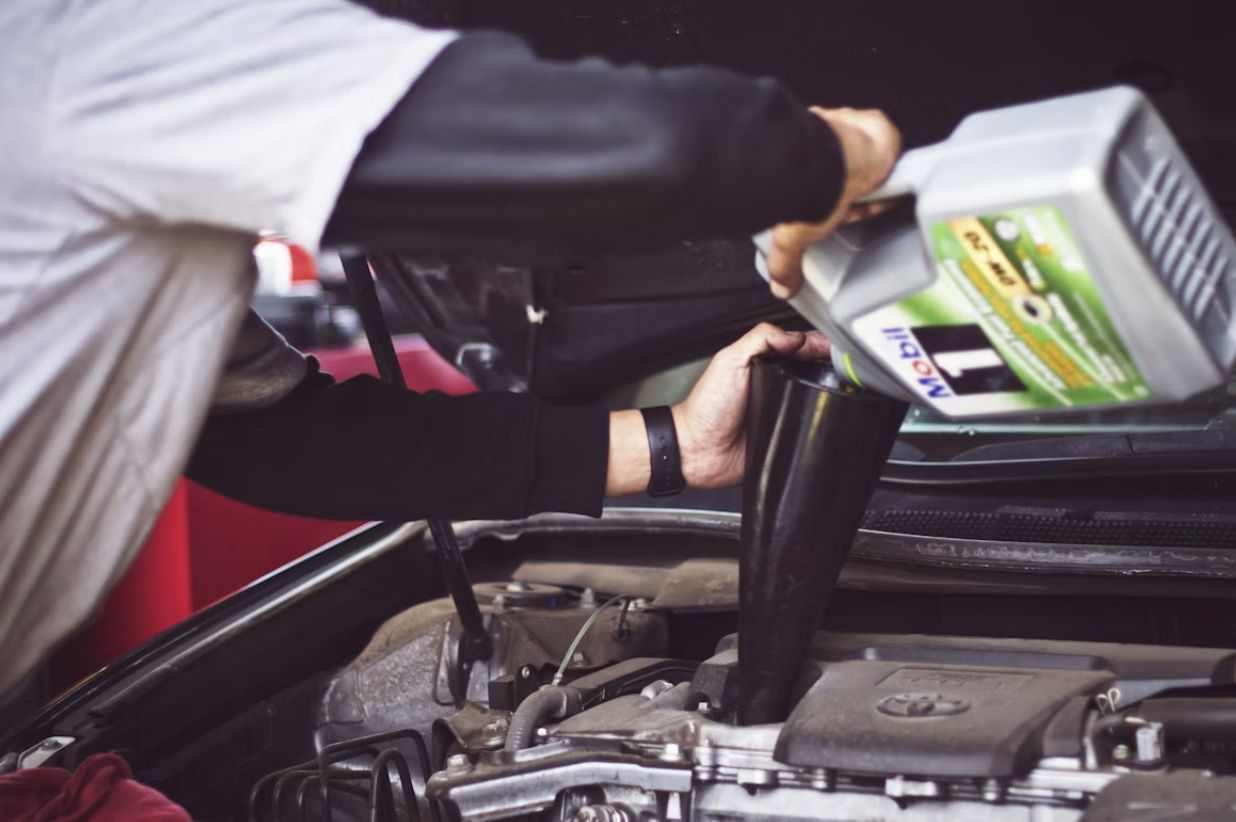
Check the oil when the engine is cool or after it has been switched off for the period recommended by the manufacturer. Remove the dipstick, wipe it clean, insert it fully and pull it out again. The oil should sit between the minimum and maximum marks.
A low reading may indicate normal consumption or a leak. Oil that looks milky can point to coolant contamination, while gritty or unusually thick oil may be overdue for replacement. Use only the oil grade listed in the owner's manual and avoid filling above the maximum mark. Overfilling can create pressure and cause engine problems of its own.
Know when a workshop should step in
A top-up may be reasonable when the correct fluid is only slightly low, and there are no other symptoms. Repeated fluid loss, warning lights, unusual smells or wet patches beneath the car call for professional diagnosis. Refilling a reservoir without finding the source can hide a developing leak.
Drivers seeking a vehicle service Narangba can arrange general maintenance and repairs when a home inspection has revealed a problem or a scheduled service is due. Give the technician useful details, including when the symptom began, where the car was parked, and whether the issue appears after short trips, highway driving, or heavy loads.
Check coolant without risking a burn
Inspect the coolant level through the markings on the expansion tank while the engine is completely cold. Never remove a pressurized cooling-system cap from a hot engine because escaping steam and fluid can cause serious burns.
Coolant helps regulate engine temperature and protects internal components from corrosion. If the level keeps dropping, look for dried residue near hoses, clamps and the radiator, then arrange an inspection. A temperature gauge climbing above its usual position requires immediate attention. Turn off the air conditioning, stop somewhere safe and shut down the engine. Continuing to drive an overheating car can turn a leaking hose or faulty cap into major engine damage.
Give the brakes proper attention
Brake fluid is usually stored in a translucent reservoir near the rear of the engine bay. You can check the level against its markings without opening the cap. Low fluid may result from worn brake components or a leak, so adding more isn't a substitute for an inspection.
Changes in braking behavior matter just as much as the fluid level. A soft pedal, grinding sound, steering pull, or longer stopping distance should be checked promptly. Follow the manufacturer's interval for brake fluid replacement, since the fluid can absorb moisture over time. Keep the reservoir closed because dirt and moisture can affect braking performance.
Filters protect more than the engine
The engine air filter prevents dust, grit, and debris from entering the engine. A heavily clogged filter can restrict airflow, reduce performance and increase fuel use. Many filters sit inside a clipped or screwed housing, but access differs between vehicles. Check the manual before opening anything and replace the filter if it is torn, damp or packed with dirt.
The cabin air filter also deserves attention. It catches dust and pollen before air enters the passenger compartment. Weak airflow, persistent window fogging or a musty smell from the vents can indicate that it is overdue for replacement. Drivers in dusty areas may need both filters checked more often than the standard schedule suggests.
Build checks into a regular routine
Set a monthly reminder to inspect oil, coolant, brake fluid and windscreen-washer fluid. Take a quick look at visible belts and hoses for cracks, swelling or frayed edges, but keep your hands clear of moving parts and check them only when the engine is off.
Record each check in your phone with the date, mileage and any top-up amount. A pattern such as coolant dropping every three weeks gives a technician far more useful information than a vague report that the reservoir “sometimes looks low.” If the next inspection shows another decline, book the car in before a dashboard warning or roadside stop makes the decision for you.