
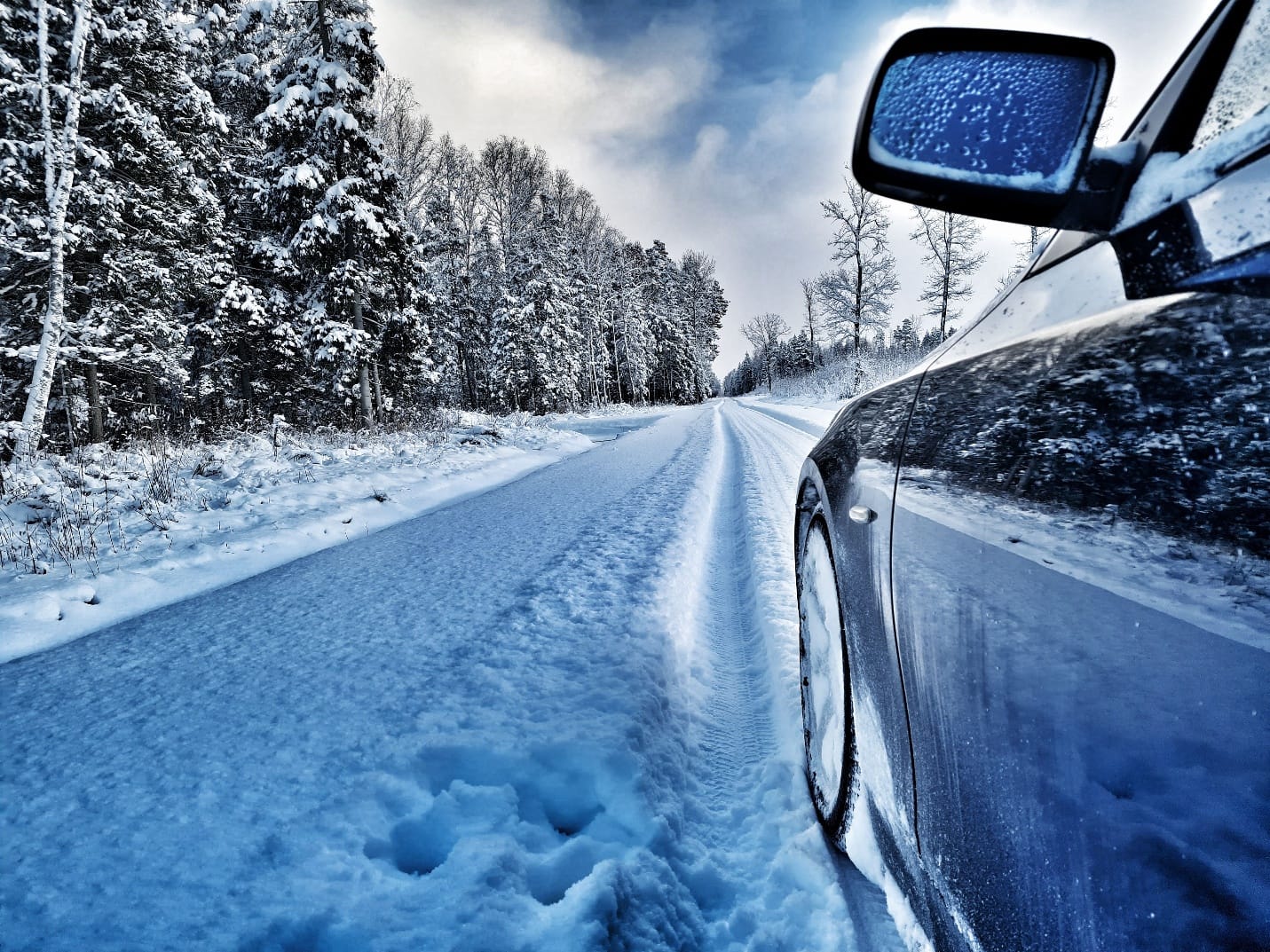
The tires on your vehicle are an incredibly important factor to your vehicle and therefore it’s important to pay attention to them and to catch any warning signs before any structural issues take hold and ruin the tires. Checking regularly before winter is crucial for drivers as cold temperature, the reduction of daylight, rain, snow and ice can leave your tires with less traction and even less time to recover from a skid.
Why a Pre-Winter Tire Check Matters
As winter approaches and temperature falls, tire pressure tends to drop, the rubber in the tires become less flexible and more worn tread on the tires causes greater difficulty clearing water from beneath the tires and the tires’ ability to grip the snow. This adds to the additional issues brought on by the winter darkness and the storms that accompany winter which make visibility difficult.
Online tire providers that want their customers to be well informed provide educational blog posts like Tireagents Bad tire guidance which will help a driver understand what to look out for to improve the safety of their vehicle. Informing customers of what to look out for allows for a customer to make a more educated evaluation on their tires and whether or not they need replacement before the winter. Regular checks matter year-round, but winter roads lengthen stopping distances and reduce cornering control.
1. Your Tread Is Too Shallow
Tread channels are designed to move water and slush away from the contact patch. As these tread channels wear down from use, their hydroplaning resistance and snow traction decline. Once they decline a driver may find that their vehicle loses traction and begins to slide when they are driving.
The federal minimum tread depth for most passenger tires in 2026 is 2/32 of an inch, but waiting for that limit may leave limited wet or winter performance. Insert a quarter into several tread grooves with Washington’s head facing down. If the top of his head remains visible, the tread is around 4/32 of an inch or less, a practical point for considering replacement before winter.
Check the center and both shoulders because one section may wear faster than another.
2. You See Cracks, Cuts, or Bulges
One of the areas to inspect is the sidewalls and you will need to check it for cracking, deep cuts, exposed cords, bubbles or any bulges. A bulge on the tire can indicate to a driver that there is internal damage possibly after an impact and may precede failure. Do not repair or continue driving normally on a tire with exposed reinforcement or a significant bulge. Install the spare safely or arrange roadside assistance.
3. A Tire Keeps Losing Pressure
A common tire issue drivers experience in winter, is a repeated loss of pressure in their tires. If only one in particular is losing pressure, it should be checked for a puncture, a leaking valve, damaged wheel or a bead problem. Check cold tires and use the door-placard pressure, not the sidewall maximum.
If the warning light returns after inflation, have the tire inspected promptly. Some tread punctures are repairable, but sidewall damage generally requires replacement.
4. The Tread Is Wearing Unevenly
Wear on both shoulders can suggest underinflation, while center wear can indicate overinflation. One-sided wear may point to alignment problems, and cupping can be associated with worn suspension components or wheel-balance issues.
Replacing the tire without correcting the cause can ruin the new one. Request an alignment, balance, or suspension inspection when the wear pattern is irregular.
5. The Vehicle Vibrates or Handles Differently
New vibration, pulling, wandering, thumping, or increased stopping distance can signal tire damage or uneven wear. Wheels, brakes, steering, or suspension can cause similar symptoms.
Slow down and inspect the tires if the change begins suddenly. Seek immediate help when the vehicle becomes difficult to control.
Choosing Replacement Tires for Winter
Tire providers like TireAgent offer all-season, all-weather, winter, highway-terrain, and other passenger-car and truck options. Choose according to climate, vehicle, and travel patterns rather than price alone.
The tire types are suited to different conditions for instance:
All-season Tires are suited to mild winters with the occasional cold and light snow day.
All-weather tires are good for year-round use and do tend to have stronger winter capability.
Winter tires are designed for a climate with frequent snow, ice and sustained cold conditions.
Highway terrain tires tend to suit trucks and SUVs which are driven mostly on paved roads.
Make sure to confirm the size, load index, and speed rating using the vehicle placard. Replace all four tires when moving to dedicated winter tires so grip remains balanced. All-wheel-drive vehicles may require closely matched tread depths.
When comparing replacements, look for the Three-Peak Mountain Snowflake symbol if severe-snow capability matters. Winter tires use compounds and tread patterns designed for sustained cold, while all-weather tires can offer a practical year-round driving compromise in regions with moderate winter conditions.
Frequently Asked Questions
Should I replace two tires or all four?
Four matching tires provide the most consistent winter traction. If replacing only two, many tire professionals recommend installing the newer pair on the rear axle to reduce oversteer risk.
How often should tire pressure be checked?
Check it at least monthly and before long trips, using the cold-pressure specification on the door placard.
Where can I find winter-ready replacements?
Use TireAgent to compare tires by vehicle, size, driving needs, warranty, and winter suitability, then review installation options before ordering.