El Paso is a growing city in West Texas, known for its strong culture, sunny weather, and busy transportation routes. As an important center for trade and travel, its roads are used daily by both passenger vehicles and large commercial trucks. With so many vehicles traveling through the area every day, road accidents have become a common concern across the region.
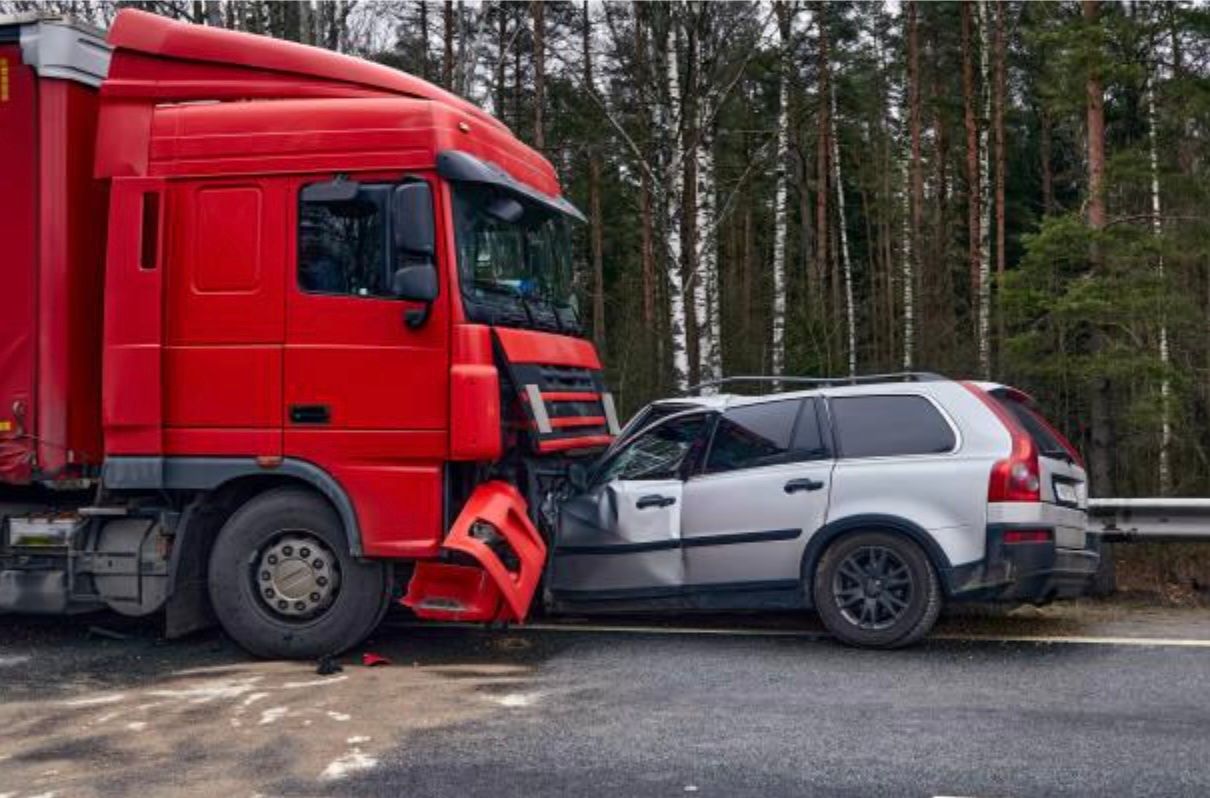
When an accident occurs, many people think a truck accident claim is handled the same way as a car accident claim. However, there are several important differences between the two. Truck accident claims often involve different rules, larger insurance policies, more evidence, and multiple parties who may be responsible for the crash. Understanding these differences is important when seeking compensation after an accident.
Because truck accident cases can be more complex, having the right legal support can make a significant difference. An El Paso truck accident attorney can help investigate the accident, identify all liable parties, and gather the evidence needed to build a strong claim. This can improve your chances of recovering the compensation you deserve for your injuries and losses.
To better understand why truck accident claims are often more complex than car accident claims, let's see the five key differences that can affect liability, compensation, and the overall claims process.
Liability: Multiple Parties vs. Individual Drivers
One of the biggest differences between truck and car accident claims is determining who is responsible for the accident. In most car accident cases, liability usually falls on one or more drivers involved in the crash. The process is often straightforward and focuses on whether a driver acted negligently.
Truck accident claims can be much more complex. In addition to the truck driver, other parties may also be held responsible, including the trucking company, vehicle maintenance providers, cargo loading companies, or even truck manufacturers. Because several parties may have contributed to the accident, identifying liability often requires a more detailed investigation.
Regulations: Federal Rules vs. State Traffic Laws
Car accident claims are generally based on state traffic laws that apply to all drivers. These laws cover common violations such as speeding, distracted driving, and fail to follow traffic signals.
Truck accident claims are often governed by both state laws and federal regulations. Commercial truck drivers and trucking companies must follow rules set by the Federal Motor Carrier Safety Administration (FMCSA). These rules cover areas such as driving hours, vehicle maintenance, driver qualifications, and safety inspections. Any violation of these rules can affect the outcome of a claim.
Insurance Coverage: Commercial Coverage vs. Personal Auto Insurnace
Insurance coverage is another major difference between truck and car accident claims. Most car accidents involve personal auto insurance policies, which usually have lower coverage limits.
Trucking companies are required to carry commercial insurance policies with much higher coverage limits. While this can lead to higher compensation, it can also make the claims process more challenging. Insurance companies often investigate these claims carefully and may try to reduce the amount they pay.
Evidence: Electronic Trucking Data vs. Standard Accident Evidence
Evidence plays an important role in both truck and car accident claims. In a typical car accident case, evidence often includes police reports, witness statements, photos of the accident scene, medical records, and vehicle damage reports.
Truck accident claims may involve additional evidence. This can include electronic logging device (ELD) records, black box data, driver logs, maintenance records, GPS information, and inspection reports. These records can help show what happened before and during the accident.
Legal Defense: Corporate Teams vs. Personal Insurers
Car accident claims are usually handled by personal insurance companies representing the drivers involved. Although disputes can occur, these cases are often less complex.
Truck accident claims often involve trucking companies and their commercial insurance providers. Many of these companies have experienced legal teams that work to protect their interests. They may begin investigating the accident immediately and challenge claims whenever possible. Because of this, truck accident victims often face stronger legal opposition than those involved in standard car accident cases.
Key Takeaways
- El Paso's busy roads and strong transportation network contribute to a higher risk of both car and truck accidents.
- Truck accident claims are generally more complex than car accident claims due to additional legal and insurance factors.
- Multiple parties, including trucking companies and maintenance providers, may be held liable in truck accident cases.
- Truck accidents often involve federal regulations, commercial insurance policies, and specialized evidence such as black box data.
- Working with an experienced El Paso Truck Accident Attorney can help strengthen a claim and improve the chances of fair compensation.