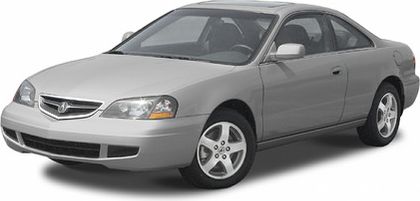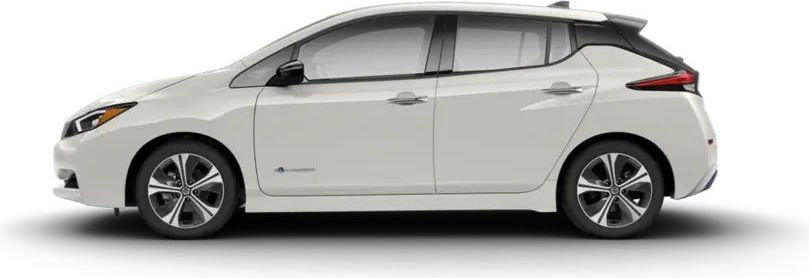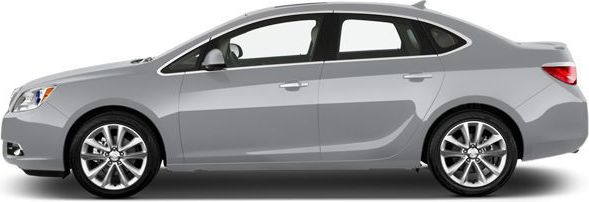

If you've spent any time researching reliable, well-maintained used vehicles, you've probably come across the growing popularity of Japanese used cars. Known for meticulous maintenance records, lower mileage compared to similarly aged vehicles elsewhere, and a reputation for longevity, Japanese used cars have become an increasingly attractive option for buyers around the world. But if this is your first time exploring the market, there are a few important things worth understanding before you commit.
It's easy to see why interest in this market keeps growing. Buyers who once assumed a used car meant compromising on condition are often surprised to find vehicles with remarkably low mileage, complete service histories, and interiors that look barely touched, all at prices well below what a comparable domestic used car might cost. That said, buying internationally does come with its own learning curve, and a little preparation goes a long way toward making the process feel straightforward rather than overwhelming.
1. Understand Why Japanese Cars Have Such a Strong Reputation
Japan has notoriously strict vehicle inspection requirements, known as "shaken," which become more frequent and expensive as a car ages. This system creates a strong financial incentive for Japanese car owners to sell their vehicles relatively early, often well before the car shows significant wear. As a result, the used car market in Japan tends to be full of vehicles with lower mileage and better overall condition than what you'd typically find in many other countries at a comparable price point.
This is one of the biggest reasons international buyers increasingly look to Japan when shopping for a reliable used vehicle — the combination of rigorous domestic standards and a culture of meticulous vehicle care creates a used car pool that's genuinely different from what's available elsewhere.
2. Learn the Grading System
Japanese used cars are typically graded on a standardized scale that reflects overall condition, usually ranging from grade 3 (fair condition, visible wear) up to grade 5 (excellent, near-new condition). Understanding this grading system before you start shopping will help you set realistic expectations and compare vehicles more accurately, rather than relying solely on photos or vague descriptions.
Pay attention not just to the overall grade, but to any separate interior and exterior sub-grades, since a car with a high overall grade can still have a lower interior rating if it's shown more wear inside the cabin.
3. Choose a Reputable, Transparent Exporter
Perhaps the most important factor in a successful purchase is working with an exporter that has a track record of transparency, clear communication, and reliable logistics. Since you likely won't be able to inspect the vehicle in person before purchase, trust in your exporter becomes essential throughout the buying journey.
Transparency is an important factor for anyone considering a Japanese used car, especially international buyers navigating an unfamiliar purchasing process. For example, established exporters such as WEINS Toyota Kanagawa provide detailed vehicle information and support throughout the buying journey, helping buyers better understand their options and make more informed decisions.
When choosing an exporter, look for companies that provide clear photos, detailed condition reports, transparent pricing that separates vehicle cost from shipping and other fees, and responsive communication throughout the purchase process. A good exporter should feel like a knowledgeable partner guiding you through the process, not just a seller looking to close a transaction.
4. Factor In Import Costs and Logistics
Buying a Japanese used car typically involves import duties, shipping costs, and compliance modifications depending on your country's specific vehicle import regulations. These costs vary significantly depending on where you're located, so it's worth getting a clear breakdown of the total landed cost — not just the vehicle purchase price — before making a decision.
Working with an experienced exporter who understands the specific import requirements for your country can save you from unexpected costs or compliance headaches after the vehicle has already shipped. Reputable exporters will typically walk you through documentation requirements, estimated timelines, and any modifications needed to meet local road regulations.
5. Request Detailed Vehicle History and Inspection Reports
Just as you would with any used car purchase, ask for a detailed vehicle history and a recent inspection report before committing to a purchase. This should include information on accident history, maintenance records, and any notable repairs. According to Consumer Reports, reviewing a vehicle's full history and getting an independent inspection are among the most important steps any used car buyer can take, regardless of where the vehicle is coming from, since photos and grading alone don't always tell the full story.
Reputable Japanese used car exporters will typically provide auction sheets, which include detailed notes from the original inspection at the point of sale in Japan. Learning to read these auction sheets, or asking your exporter to walk you through them, is one of the most valuable things a first-time buyer can do.
Final Thoughts
Buying a Japanese used car for the first time can feel intimidating, especially given the distance and unfamiliar processes involved, but it's a market that rewards a bit of upfront research. Understanding why these vehicles have such a strong reputation, learning to interpret grading systems and auction sheets, budgeting accurately for import costs, and choosing a transparent, reputable exporter will put you in a strong position to find a genuinely well-maintained vehicle at a fair price.
With the right approach, many first-time buyers find that the extra research pays off in a vehicle that holds up remarkably well for years to come.