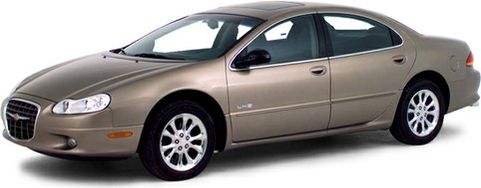
A suburban household purchases two identical vehicles in the same year. One is mainly driven on open country roads, whereas the other navigates a mix of short, daily commutes amid suburban traffic.
The latter likely experiences more cold starts and greater wear and tear. Such a distinction matters as the average age of vehicles on US roads has risen to 12.8 years in 2025. It gives us a glimpse of how long cars stay in service these days.
Suburban driving habits play an important role in how quickly vehicles wear down over time. Moreover, it determines the frequency of automotive repairs.
This article delves deeper into four main suburban driving habits that influence vehicle longevity. Understanding them will help you make informed decisions to extend the life of your vehicle.
Short-Distance Trips With Frequent Cold Starts
The suburbs are well-known for frequent short-distance trips. Each trip may cover just a few miles, be it to run errands, visit friends/family, or avail of local services.
In 2024, US drivers made an average of 2.44 trips each day. They roughly traveled around 31.1 miles, with nearly an hour behind the wheel daily. Short-distance trips involve frequent cold starts, something which can accelerate wear and tear.
Why? Because the engine oil hasn't fully circulated to protect the vehicle’s moving parts. The impact can be worse in colder temperatures, especially on electric vehicles (EVs). Repeated cold starts may increase the likelihood of auto repair as it affects vehicle longevity by:
Increasing friction before the engine reaches optimal temperature
Causing incomplete fuel combustion that leads to residue buildup
Speeding up wear on piston rings and exhaust systems
One way drivers can mitigate these effects is to combine short trips with longer drives. It's also important to stay on top of regular maintenance and allow the engine to warm up completely. Once you have recognized this pattern, you can take the steps needed to protect engine health.
Stop-and-Go Traffic in Commuter Corridors
Commuter corridors are typical in suburbs, connecting homes to workplaces and city centers. Drivers constantly stop, accelerate, and idle along these main roads or corridors. This makes stop-and-go driving a common suburban habit.
However, the same practice can easily stress a vehicle’s engine, transmissions, and braking system. Let’s take the example of a vibrant suburb, like Sterling, Virginia (VA). Here, residents spend an average of about 25.6 minutes on a one-way commute. In the process, vehicles are exposed to repeated congestion daily.
Since stop-and-go driving exerts pressure on brakes and the engine, locals need to rely on auto repair in Sterling, VA, to address routine wear. Common auto repairs include fluid replacements and brake servicing , as caused by idling and acceleration.
Besides that, the following ways can help reduce wear:
Traveling outside peak congestion hours
Using cruise control on steady stretches
Exploring alternate routes
Combining different errands into a single trip
Also, annual vehicle inspections can help identify issues early on. As RevTech Performance shares, annual inspections offer the advantages of safety, preventive maintenance, and legal compliance.
As a suburban driver, your responsibility is to practice smooth acceleration and braking. Only when smart driving habits combine with timely vehicle repair can daily travel along congested corridors become safe and manageable.
Daily Commuter Mileage Accumulation
Across suburban metro areas, daily commuting is one of the primary reasons for early vehicle wear. Consider the Dallas-Fort Worth area as an example. Estimates show that the average one-way commute in Dallas County is about 27.7 minutes.
As a whole, that would involve long, mileage-heavy drives. It steadily adds up over months and years, much faster than most drivers expect. Listed below is how regular commuter mileage impacts vehicle longevity:
Total engine hours increase even when driving feels routine.
The acceleration rate of brakes and suspension components increases.
Oil and fluid service intervals shorten.
There is constant stress on transmissions during daily use.
Commuter driving, in isolation, is not the problem since it often involves highway stretches. These are gentler than stop-and-go traffic, but the sheer volume of miles leads to mechanical fatigue. As a result, the frequency of automotive repair or replacement increases.
You can offset this by sticking to mileage-based maintenance schedules. Also, rotate tires on time and address minor issues in performance early on.
Longer Ownership Cycles for Family Vehicles
One practice often observed across suburban neighborhoods is that families often keep the same vehicle for many years. As we mentioned earlier, American households have relied on their hardy vehicles for more than a decade. This creates the distinctive driving habit of using an aging car under the same workload patterns.
While the practice is justified due to rising prices, it can wear out the vehicle in due time. For example, a suburban family may use the same SUV to drop kids off at school, commute to work, and run errands. Over time, the repeated strain can lead to auto repair involving the engine, brakes, and suspension system.
If you also wish to use your vehicle well into its senior years, certain steps are needed. The following can help reduce the impact of long-term ownership:
Follow age-based maintenance schedules instead of only mileage-based ones.
Monitor for unusual noises or any performance changes.
Rotate tires frequently and check their alignment.
Address minor issues before they turn into major repairs.
A practical way to apply these proactive measures is to adjust driving routines for older vehicles. This means you should avoid heavy acceleration with a fully loaded car. Likewise, maintain proper speed limits and combine multiple errands into fewer trips. Such small adjustments will keep your vehicle reliable for years to come.
The reason why these suburban habits do not appear to be a problem initially is that vehicles seldom fail all of a sudden. Most problems build quietly through heat cycles and idle time. They ultimately lead to mechanical repairs that could have been prevented. The mistake many drivers make is that they judge their vehicle’s health by mileage alone, when driving patterns matter just as much.
Suburban environments demand a different maintenance mindset than highways or rural roads. Your vehicle’s long-term reliability will improve only when its maintenance adapts to daily commuting routines. Check which driving habits may be wearing down your vehicle. Take steps accordingly and avoid costly surprises later.